8-Frame vs. 10-Frame Langstroth
The Langstroth hive comes in two standard frame sizes: 8-frame and 10-frame. Both work well, but they differ in weight, honey yield, and what equipment you can use interchangeably. Understanding these differences helps you pick the right setup for your strength, space, and goals—though honestly, a beginner’s choice here matters less than just getting bees and learning.
Weight and Lifting Differences
An 8-frame langstroth hive is noticeably lighter than a 10-frame. A full deep box (the larger box used for the brood chamber) with an 8-frame setup weighs roughly 40–50 pounds when full of honey and bees, while a 10-frame deep can hit 60–80 pounds. That difference compounds when you’re lifting boxes repeatedly during inspections or harvest.
If you have back problems, arthritis, or limited upper-body strength, the 8-frame langstroth hive is gentler on your body. You’ll lift fewer pounds per box, and you can manage inspections longer without fatigue. Over a season of weekly checks and honey harvests, this adds up.
The 10-frame langstroth hive demands more physical effort but isn’t impossible for most people. Many beekeepers use it without issue. The real question is whether you want to minimize strain or whether you’re comfortable with heavier lifting. Neither choice is wrong; it’s about your comfort and sustainability.
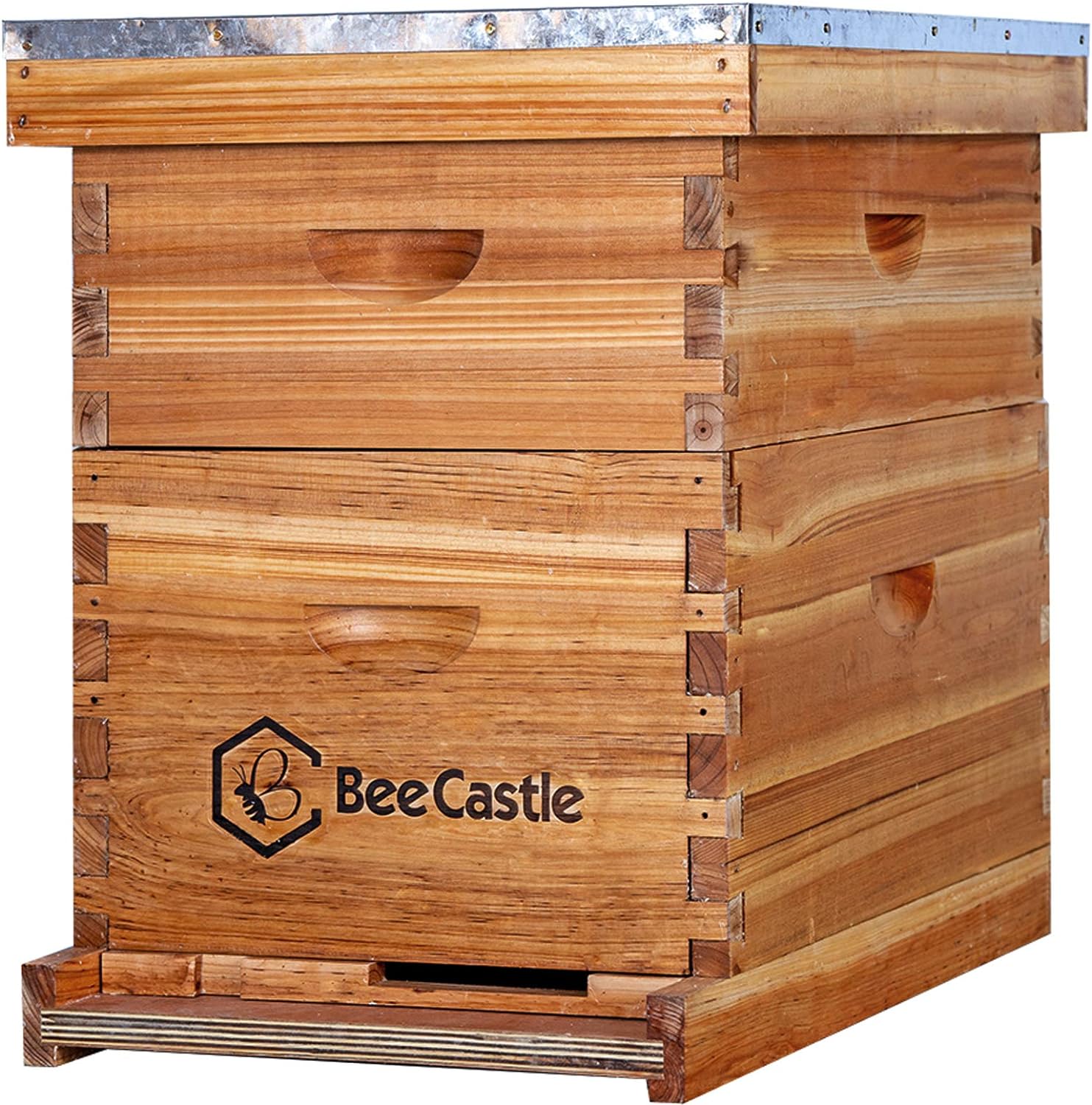
The 8 frame langstroth hive is ideal for beekeepers prioritizing ease of handling and those working solo or with physical constraints. It delivers solid honey yields while keeping individual boxes light enough to manage comfortably through a full season.
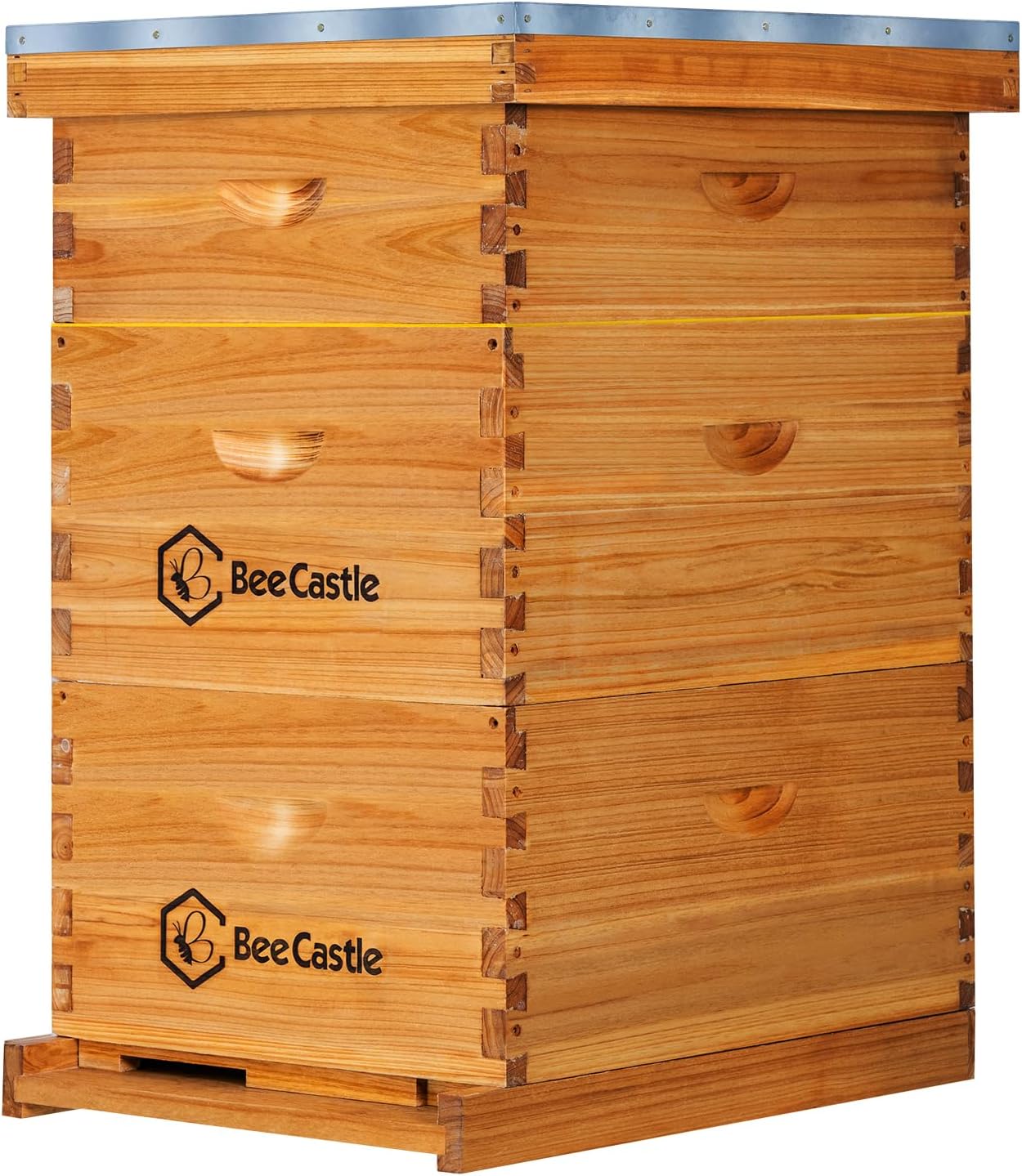
The 10 frame langstroth hive suits beekeepers who want maximum honey production and have the physical capacity to lift heavier boxes regularly. It's the industry standard in many regions, making it easier to find compatible equipment and local expertise.
Honey Capacity Differences
A 10-frame langstroth hive offers more honey storage capacity per box than an 8-frame setup, simply because it holds two additional frames. How much surplus honey you actually harvest depends heavily on your location, local forage, weather, colony strength, and management—so any specific number would be misleading. What you can count on is that the extra frames give the bees more room to store honey, which can translate to larger harvests when conditions are favorable.
For hobbyists who keep bees for pollination or personal use, this difference is minor. You’ll have plenty of honey either way. For anyone selling honey or wanting larger harvests, the 10-frame langstroth hive’s extra capacity matters more.
Keep in mind: more frames mean more bees can fit in the hive, which generally means a stronger colony and better honey production. But it also means more bees to manage and more boxes to lift when they’re full. There’s no “best” capacity—it depends on your goals and what you’re willing to handle.
Equipment Compatibility Differences
This is where the choice gets practical. An 8-frame langstroth hive uses 8-frame boxes, frames, and foundation. A 10-frame langstroth hive uses 10-frame equivalents. You cannot swap frames between them, and you cannot use a 10-frame box on an 8-frame hive stand.
If you already own equipment or plan to expand later, stick with what you have or what’s common in your area. Mixing sizes creates headaches: you’ll need separate extractors, separate frame storage, and separate spare parts. Most beekeeping suppliers stock both, but your local beekeeping club probably standardizes on one.
Check what other beekeepers near you use. If your mentor or club leans 10-frame, start there so you can borrow equipment, share resources, and get advice specific to your setup. Compatibility sounds boring but saves money and frustration over time.
Which One a Beginner Should Choose
Honestly, this choice is smaller than you think. A beginner’s first priority is learning to keep bees alive and healthy—the frame count barely matters for that.
Pick the 8-frame langstroth hive if you want lighter boxes, expect to work alone, or have any physical limitations. Pick the 10-frame langstroth hive if you want maximum honey production, if your local beekeeping community uses 10-frame, or if you’re comfortable with the extra weight.
Don’t overthink it. Either setup works fine for a first year. Many beekeepers switch sizes later once they know what they prefer. What matters more is getting a complete, quality hive, learning proper inspection techniques, and connecting with local beekeepers who can help you troubleshoot.