Best Hive Wraps for Winter
A hive wrap is a layer of insulation around your beehive designed to reduce heat loss and protect against wind during winter. Whether you actually need one depends on your climate, hive type, and local winter severity. Many beginners in mild regions skip wrapping entirely and do fine—but in cold climates, a wrap can meaningfully improve colony survival rates.
Best Overall Winter Wrap
The beehive winter insulation wrap is the standard choice for most beekeepers who decide to wrap. It’s typically made from reflective kraft paper or tar paper with an air gap, designed to wrap around the entire hive box. The reflective side faces outward to shed water, while the air space provides insulation without trapping moisture inside the hive itself. This design handles the dual challenge of keeping cold out while letting internal condensation escape. Most versions are secured with staples or tape and take 15–20 minutes to install. The main advantage is that it works reliably across a range of temperatures and doesn’t require you to open the hive during winter. Cost usually runs $15–$30 per wrap, and one wrap typically lasts 2–3 seasons if you remove it carefully in spring.
For beginners, the main thing to get right during installation is leaving the entrance open. The lower entrance — or a small upper entrance if you’ve added one — must stay clear so bees can take cleansing flights on warm winter days and so air can circulate. Wrapping the hive completely shut is one of the most common beginner mistakes and can cause moisture to build up inside, which is more dangerous to a colony than cold alone. Install the wrap in late autumn before temperatures drop consistently below freezing, and plan to remove it in early spring once daytime temperatures are reliably above 50°F.
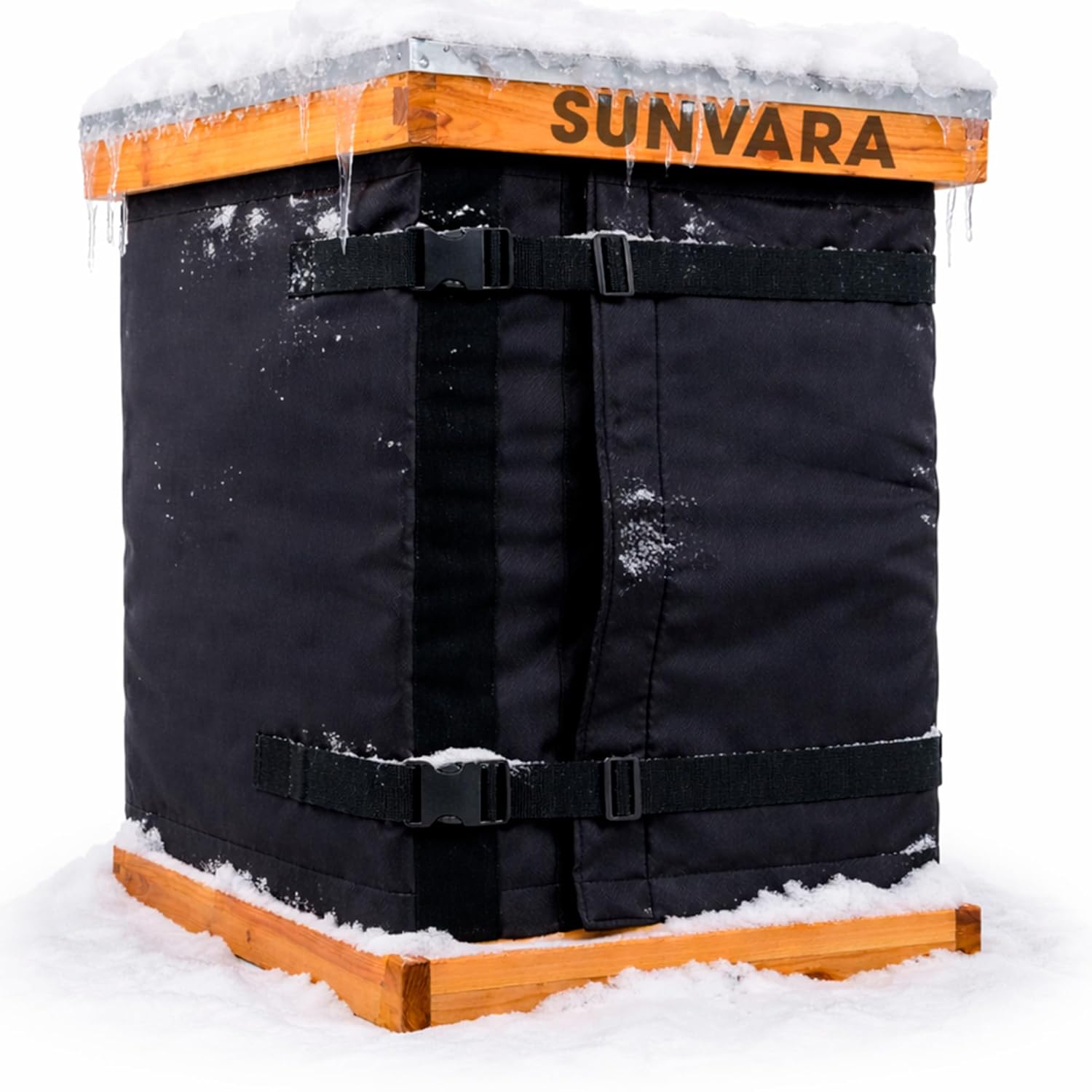
The beehive winter insulation wrap is the most commonly recommended option for cold-climate beekeepers and offers a good balance of protection, durability, and ease of use. It handles both wind and heat loss effectively and lasts multiple seasons if stored carefully. This is the right choice if you're in a region where winter regularly drops below 10°F.
Best Budget Option
If your budget is tight or you’re hesitant to commit to equipment, a budget hive wrap made from tar paper or roofing felt does the job adequately in most situations. These simpler wraps lack the reflective layer and air gap of premium options, but they still reduce wind exposure and some heat loss. You can even make a basic wrap yourself using tar paper, staples, and an afternoon—many beekeepers do this without issue. The tradeoff is that budget wraps offer less protection against moisture buildup inside the hive, which matters more in very cold, damp climates. They’re also less durable and may need replacement after one season. If you’re in a moderate winter climate or just want to test whether wrapping helps your colonies, a budget option is a sensible starting point.
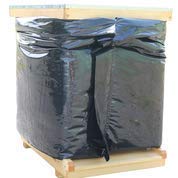
A budget hive wrap made from basic tar paper or roofing felt is the lowest-cost entry point and works adequately for windbreak in mild to moderate winters. It's disposable or single-season, so it's a good option to try if you're unsure whether wrapping will help your specific setup.
Insulation vs. Windbreak Function
It’s worth understanding what a wrap actually does, because it’s not one thing. The primary benefit for most beekeepers is windbreak—stopping cold air from flowing directly across the hive. Wind can strip away the bees’ warmth even if the air temperature isn’t extreme. The secondary benefit is insulation, which slows heat loss through the hive walls. A wrap with an air gap (like the beehive winter insulation wrap) does both reasonably well. A simple tar-paper budget wrap mainly provides windbreak. In very cold, dry climates (below 0°F regularly), the insulation function matters more. In milder climates with moderate wind, even a basic wrap helps. The key mistake beginners make is thinking a wrap will keep the hive warm like a blanket—it won’t. The bees generate their own heat by clustering and eating stored honey. A wrap just reduces how much of that heat escapes, which means the colony uses less food to survive winter.
Climates Where Wrapping Isn’t Necessary
Honestly, if you live somewhere winter lows stay above 20°F and you’re not in a windy location, wrapping is optional. Bees evolved to survive cold, and a healthy, well-fed colony in a standard hive can handle moderate winters without extra insulation. Beekeepers in the southern United States, coastal regions, and mild zones often don’t wrap at all. The real risk in these areas isn’t cold—it’s moisture and mold, which can actually be made worse by wrapping if the hive isn’t ventilated properly. If you’re new to beekeeping and unsure whether you need a wrap, the honest answer is to watch your local beekeeping group. If most keepers in your area wrap, you probably should too. If they don’t, you likely don’t need to. Wrapping is an insurance policy, not a requirement, and it costs money and effort. There’s no shame in skipping it if conditions don’t warrant it.