How to Fix a Failing Hive in Late Summer
A failing hive in late summer is stressful, but the good news is that you often have time to save it—if you act quickly and honestly assess what went wrong. This guide walks you through diagnosis, your real options (including when to let a hive go), and what feeding strategy actually works. Be warned: some hives cannot be saved, and that’s okay.
Diagnosing Why the Hive Is Failing
Before you spend time and money trying to rescue a hive, figure out why it’s failing. A weak hive in late summer usually comes down to three causes: a failed or failing queen, disease, or starvation.
Queen failure is the most common culprit. Open the hive on a warm afternoon and look for a solid brood pattern—eggs and larvae in most cells of the brood frames. If you see scattered brood, lots of empty cells, or no brood at all, the queen is either gone or failing. You don’t need to find her; just look for her work. A good queen lays in a tight, organized pattern. A failing queen lays sporadically or has stopped entirely.
Disease shows up as discolored or sunken capped brood, a foul smell, or unusual behavior like bees crawling away from the hive. American Foulbrood (AFB) smells like rotting meat and is the serious one—if you suspect it, contact your local beekeeper association or extension office. Varroa mites can also crash a hive by late summer if they weren’t managed earlier in the year; you’ll see deformed wings on emerging bees.
Starvation is less obvious than it sounds. A hive can look reasonably full of bees but have almost no stored honey or pollen. Lift the hive from the back—a heavy hive is usually fine. If it feels light, open it up and check the outer frames. If they’re empty or nearly so, food is the problem.
Whether to Requeen or Combine
Once you know what’s wrong, decide: do you requeen, combine with another hive, or let it go?
Requeening makes sense only if the hive is reasonably strong (at least three frames of bees) and the problem is clearly a failed queen. In late summer, introducing a new queen is risky because there’s limited time for her to build up a laying pattern before winter. You’ll need to order a queen (3–5 days minimum), and there’s no guarantee the workers will accept her. If you do requeen, use a queen cage and introduce her slowly over 3–5 days, allowing the workers to release her through the candy plug at their own pace. This is worth trying if you have the money and patience, but don’t expect miracles.
Combining is often the smarter move. If you have two weak hives, combine them into one strong one. Take the weaker hive’s frames and bees and add them to the stronger hive, making sure to remove one of the queens first (usually the older or failing one). The combined hive has a much better shot at surviving winter. If you only have one failing hive and no other hive to combine it with, combining isn’t an option.
Letting it go is the honest choice for many late-summer failures. If the hive is down to one or two frames of bees, it won’t recover in time for winter no matter what you do. Bees need time to build up numbers, and late summer doesn’t give them enough. If disease is present, especially AFB, you should not try to save it—destroy the hive and equipment to prevent spread.
Feeding to Rebuild Before Fall
If you’ve decided the hive is worth saving and you’ve fixed the queen problem (or combined), feeding is critical. Late summer is the window to rebuild stores before the bees stop foraging in fall.
Start with a hive top feeder filled with a 1:1 sugar-to-water ratio (one part sugar to one part water, measured by volume). This mimics nectar and is easier for bees to process than thicker syrup. Fill it every few days if the hive is taking it down quickly. A hive top feeder sits directly on top of the frames, so it’s convenient and reduces the risk of bees drowning. Feed until the hive stops taking syrup (usually late September or early October, depending on your region), then switch to solid food like fondant or a candy board (a firm sugar-based supplement placed inside the hive) for winter.
Don’t skimp on quantity. A weak hive may need a substantial amount of sugar in syrup form to have enough stores for winter—the exact amount varies by region and colony size, but the investment is cheaper than losing the hive. Feed aggressively in August and early September; by October, back off to avoid encouraging the hive to keep brood-rearing when it should be preparing for dormancy.
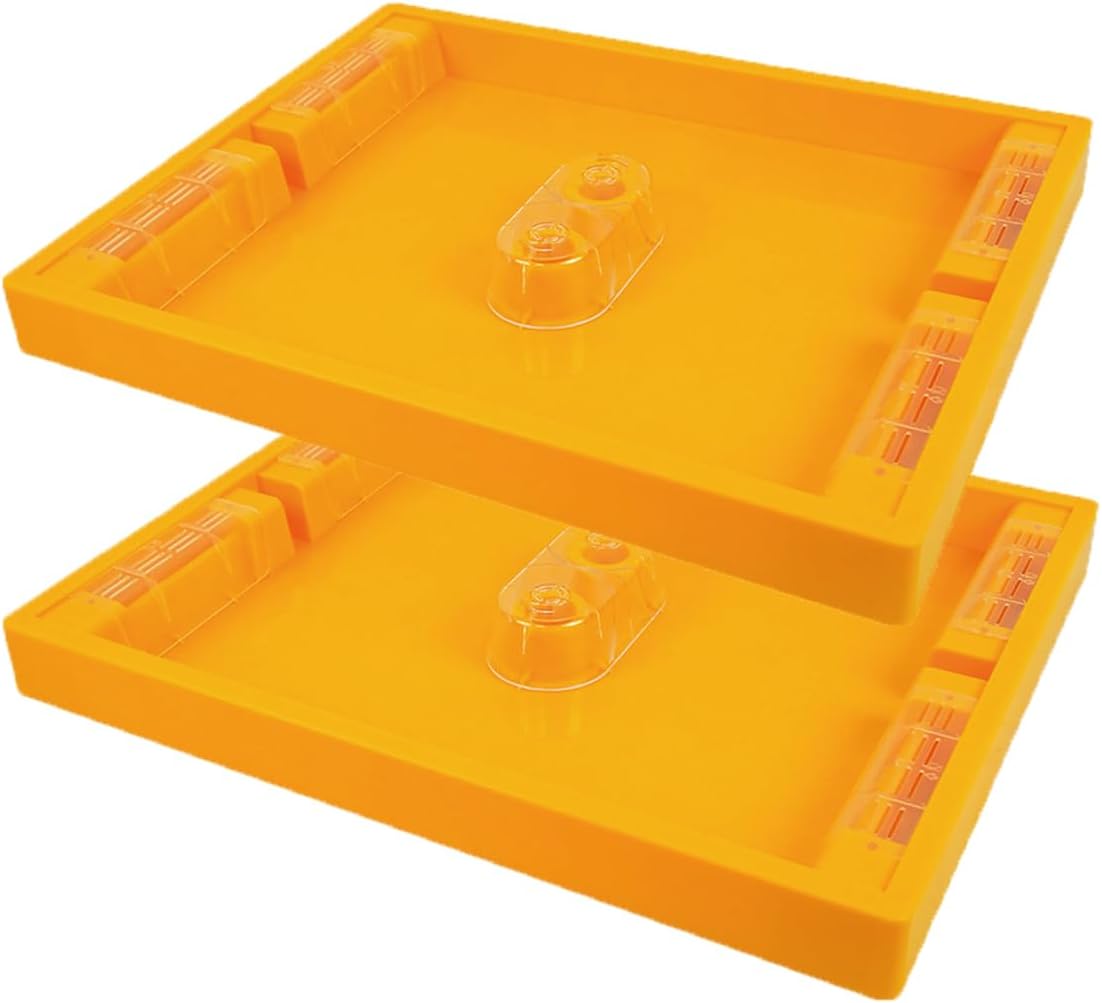
A bee hive top feeder is the most practical way to deliver syrup to a struggling hive without spillage or drowning losses. It sits on top of the frames and holds several pounds of syrup, so you don't have to refill it daily. If you're feeding in late summer, this is worth having on hand.
When It’s Too Late to Save the Hive
Recognize when you’re throwing good money after bad. If it’s mid-September or later and the hive is still very weak, stop. There simply isn’t enough time for a small population to grow and store enough food for winter. You’ll feed it all fall, spend money on a queen, and lose it in January anyway.
Similarly, if disease is confirmed, especially AFB, euthanize the hive. Do not combine it with another hive. Do not attempt to reuse the equipment. AFB is a regulated disease in many regions, and how you must dispose of infected equipment may be legally mandated—contact your state or local apiary inspector before taking action. In most cases, burning is the required and only reliable method of destroying infected material. AFB spores can survive for years and will infect other colonies.
If you’re a beginner and this is your first hive, a late-summer failure is painful but normal. Many first-year beekeepers lose a hive or two. The lesson is valuable: next year, you’ll manage varroa better, monitor the queen earlier, and ensure adequate stores sooner.