Best Bee Feeders for Small Hives
A small-hive feeder is useful when a colony is building up in spring, recovering from winter, or preparing for a dearth (a period when little or no nectar is available from flowers)—but it’s not essential for every beekeeper. If your hive has access to natural forage most of the year, you may never need one. That said, knowing which feeder works best for a small colony can save you money and prevent problems like robbing or drowning bees.
Best Overall Small-Hive Feeder
The top choice for most small-hive beekeepers is a top feeder that sits inside the hive, directly above the brood box. These are simple: a shallow box with a partition that holds syrup in one chamber while bees drink from a float or screen in the other. They’re effective because bees access the feed without leaving the hive, which keeps robber bees out and reduces stress on the colony.
Look for a feeder with a built-in float or ladder system—this prevents bees from drowning in the syrup. The best models hold 1 to 2 gallons and fit standard Langstroth boxes. They’re usually made of plastic or wood; plastic is cheaper and easier to clean, while wood lasts longer if you maintain it. Expect to pay $15–$30 for a decent one. The main downside is that you’ll need to remove it before adding honey supers, which means timing your feeding carefully in spring.
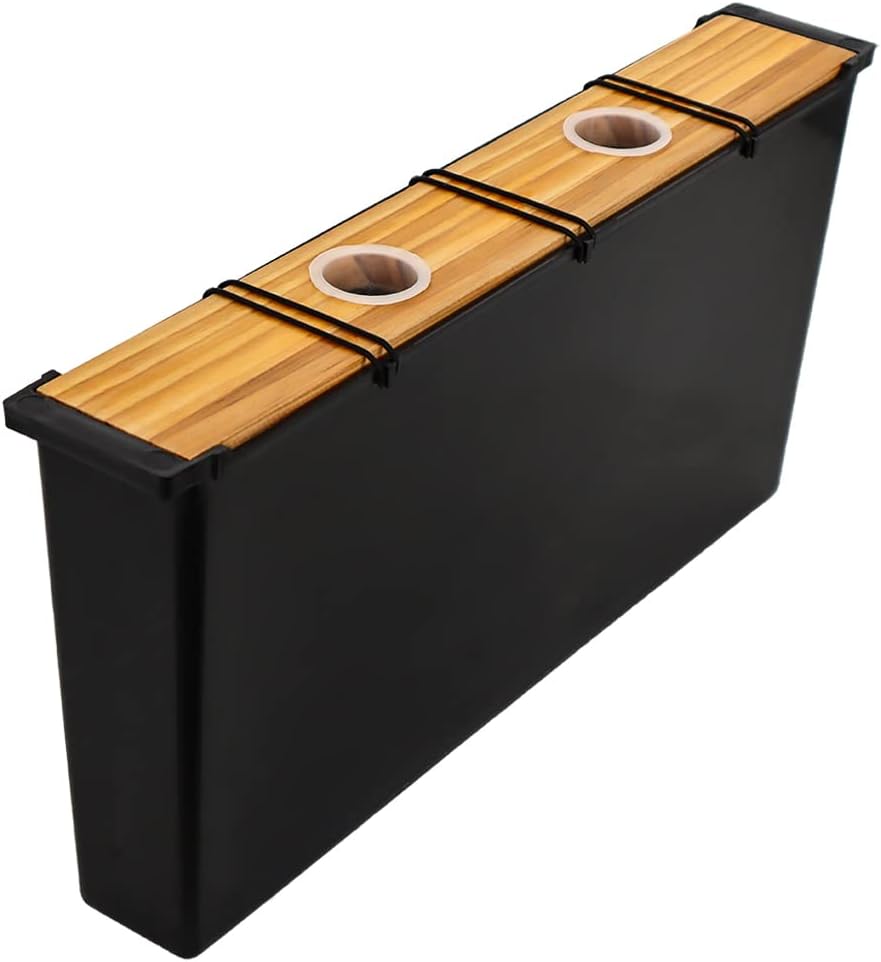
The small hive feeder is a top-mounted plastic box that holds 1 to 2 gallons of syrup and sits directly above the brood box, making it the most practical choice for beginners feeding small colonies. It keeps bees safe from drowning with a built-in float, reduces robbing pressure, and costs $15–$25 for a quality model. Remove it before adding honey supers in late spring.
Best Budget Option
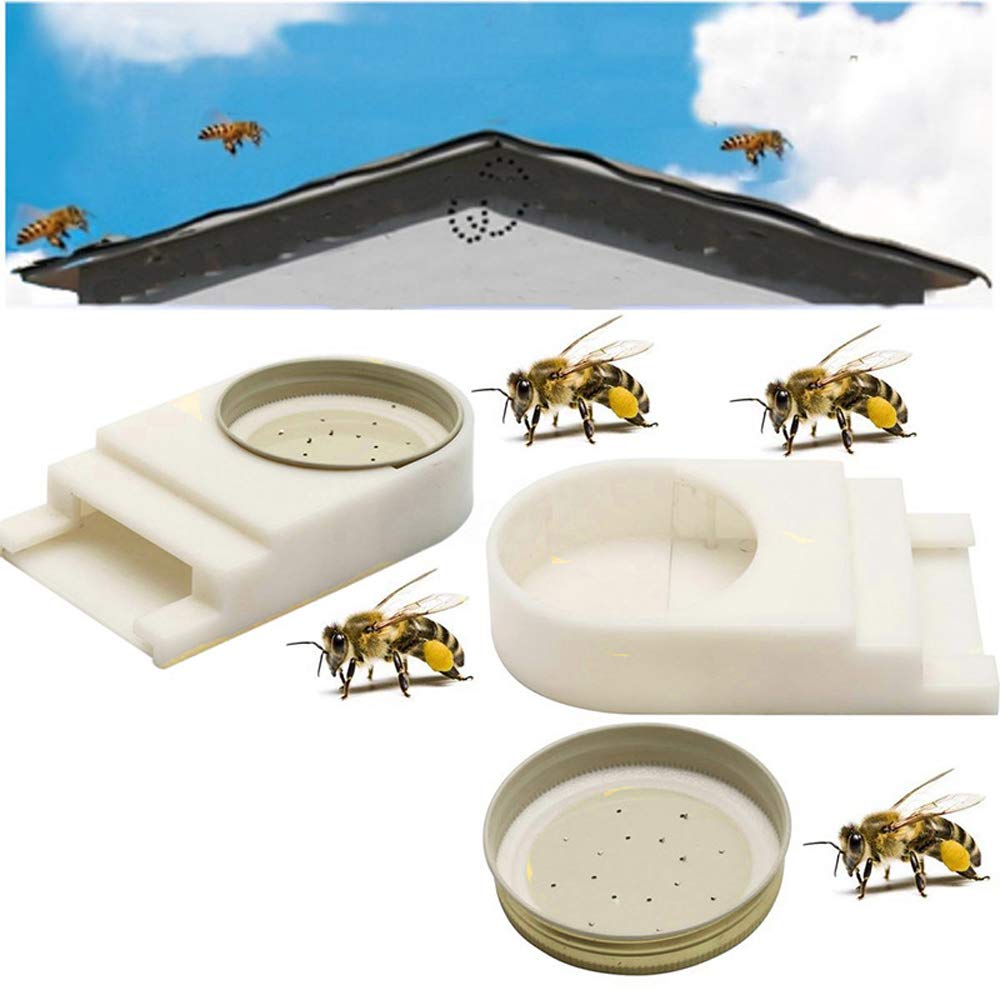
A compact, lower-cost feeder sized for one or two hives — you don’t need industrial capacity for a small apiary, and this keeps upfront cost down.
If you want to spend less, a simple entrance feeder or frame feeder works fine for small colonies. An entrance feeder is a narrow plastic box that attaches to the hive entrance; bees drink from the inside while the outside stays sealed. Frame feeders sit inside the hive like a frame and hold syrup in a thin chamber. Both cost $5–$12 and do the job adequately.
The trade-off: entrance feeders are visible and may attract robber bees if your colony is weak. Frame feeders take up space where a frame of brood or pollen could go, which matters in a small hive. Neither is as convenient as a top feeder, but if you’re only feeding for a few weeks in spring, they’re perfectly fine. Many experienced beekeepers keep one or two as backup options. Don’t overthink this—a budget feeder is better than no feeder if your colony genuinely needs food.
Sizing Feeder Capacity to Colony Size
A small hive typically means a colony with fewer than 20,000 bees—roughly a single deep box or a deep plus one medium. These colonies consume syrup slowly compared to a full-strength hive, so you don’t need a massive feeder. A 1-gallon capacity is usually enough; you’ll refill it every 7–10 days during active feeding season.
If your small hive is a package or a split in early spring, it may consume 1 gallon per week. In that case, a 2-gallon top feeder means fewer trips to the hive. Conversely, if you’re feeding a small hive in late summer to build winter stores, consumption slows as the colony size plateaus, and a 1-gallon feeder is fine. The key is to check your feeder every few days at first—you’ll quickly learn your colony’s appetite. Overestimating capacity isn’t a problem; underestimating means you’ll run out and interrupt feeding, which can stress the bees.
Avoiding Overfeeding a Small Colony
Overfeeding a small hive is a real risk because the colony can’t defend excess syrup from robber bees or consume it before it ferments. Feed only when the colony genuinely needs it: when there’s no nectar flow, when brood is expanding faster than stores are building, or in late summer to prepare for winter. If you see the hive is already bringing in pollen and the flowers are blooming, hold off.
Use a 1:1 syrup ratio (equal parts sugar and water) in spring when bees are building, and switch to 2:1 (two parts sugar, one part water) in late summer for winter prep. Don’t leave a feeder on indefinitely—remove it once the hive is strong enough to forage or once you’ve hit your target food stores. Feed with intention, not habit.