Beekeeping Veil vs. Full Suit
A beekeeping veil protects your face and neck from stings while leaving your arms and legs exposed. A full beekeeping suit covers your entire body in a protective layer. The choice between them depends on your comfort level, the time of year, and how defensive your bees are.
What a Veil-Only Setup Protects
A beekeeping veil is a mesh hood that covers your head, face, and neck down to your shoulders. It lets you see clearly while keeping stinging insects away from the areas where a sting hurts most. Your hands stay free and unencumbered, so you can work with frames, move boxes, and manipulate equipment without fumbling through thick fabric. Most beekeepers wear a veil with regular long-sleeved shirts and long pants—clothing you probably already own. The mesh is fine enough to block bees but loose enough that you can see detail work inside the hive. A veil typically weighs almost nothing and takes seconds to put on or remove. In calm conditions or with a gentle colony, a veil is genuinely all the protection most people need.
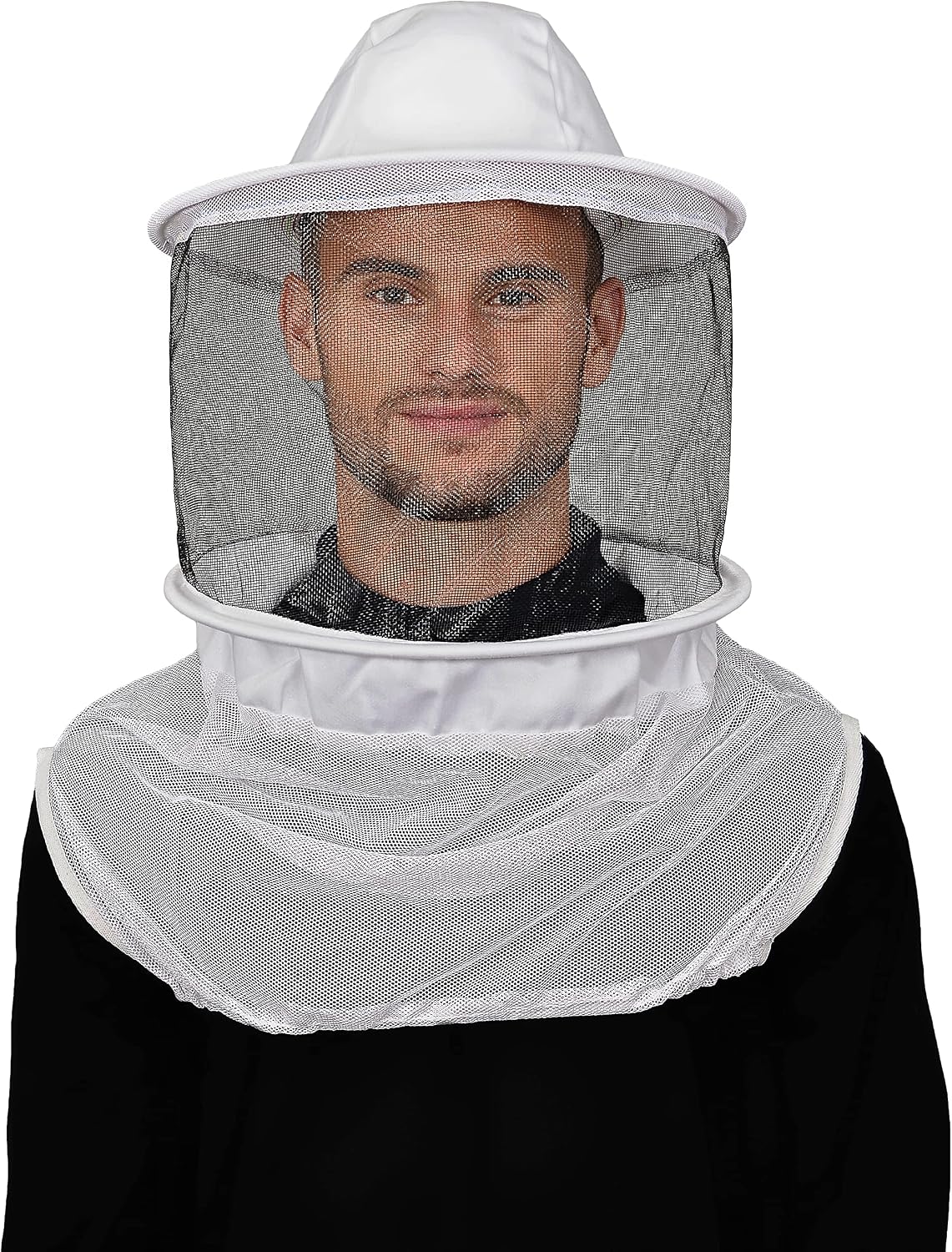
A beekeeping veil is your first line of defense and the most practical choice for beginners. Look for one with a sturdy metal or plastic rim that holds its shape, a long drape that extends well below your shoulders, and fine mesh that doesn't distort your vision. Most cost between $15 and $35 and will last for years with basic care.
What a Full Suit Adds
A full beekeeping suit is a one-piece or two-piece outfit that covers your arms, legs, torso, and head. The fabric is thicker than a veil—usually cotton or a cotton blend—and designed to be a complete barrier between your skin and bees. Full suits typically include integrated or attached veils, so your head is fully enclosed. The extra coverage means bees have nowhere to crawl up your sleeves or down your pants. Full suits also provide psychological comfort; many people simply feel braver and more relaxed when fully covered, which actually makes you move slower and calmer around the hive—a good thing. The trade-off is bulk: full suits are heavier, hotter, and more cumbersome to move in. You’ll sweat more, especially in warm weather. Zippers, elastic, and seams can fail or get stuck. A full suit is invaluable if your colony is aggressive or if you’re working a difficult situation.
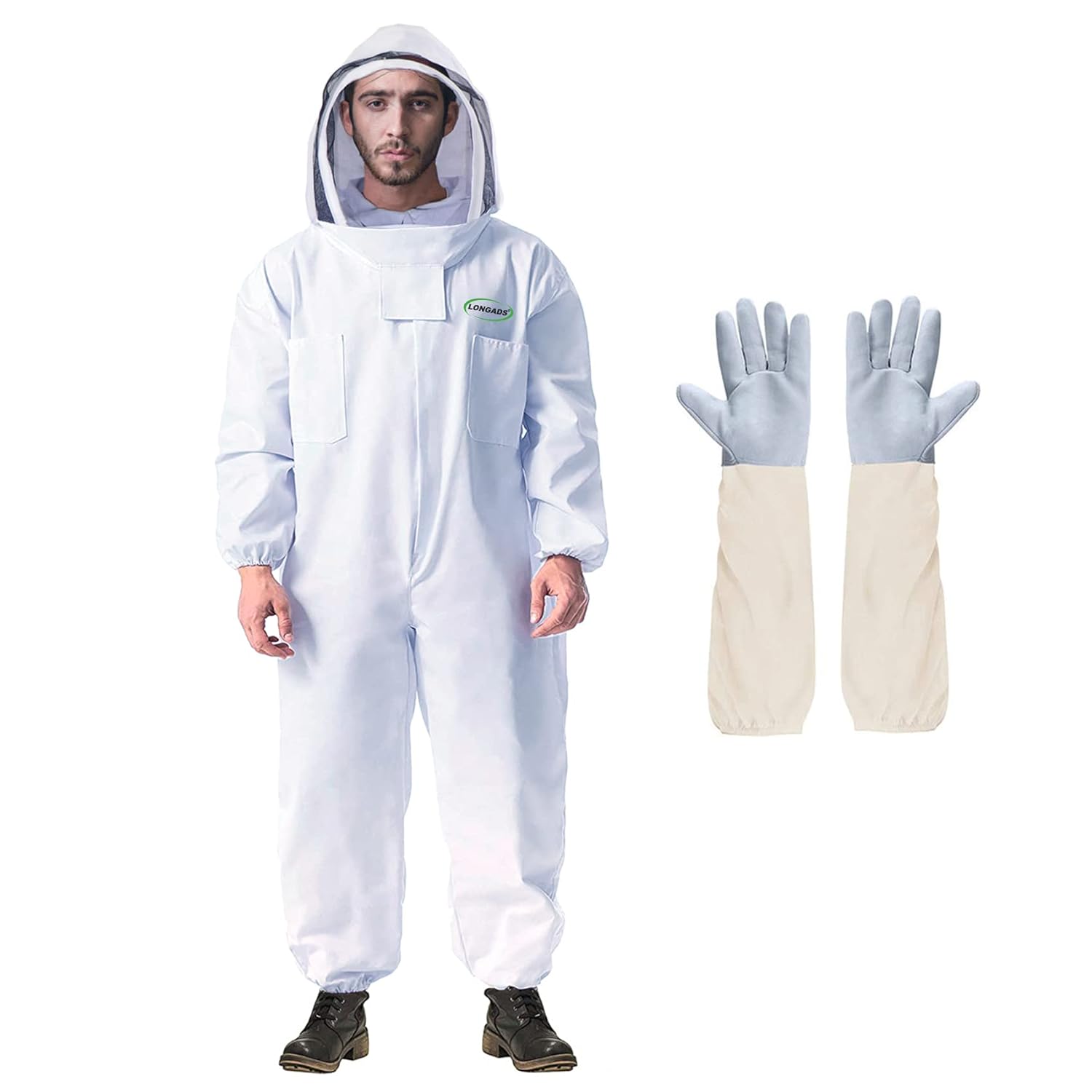
A full beekeeping suit is worth considering once you've had a few inspections and understand your bees' temperament. Choose one with reinforced seams, secure zippers, and elastic cuffs at wrists and ankles to prevent bees from crawling inside. Expect to spend $50 to $150, and remember that you'll want to wash it regularly to remove alarm pheromones that can build up over time.
When a Veil Alone Is Enough
A beekeeping veil is sufficient for the vast majority of experienced hobbyist work. If you’re inspecting a calm colony in spring or early summer, a veil and regular clothes will serve you well. Most backyard and hobby colonies are not aggressive; they’ll fly away or ignore you if you move slowly and don’t crush bees. A veil is also practical for quick checks—popping the lid to see if the queen is laying, or counting frames of brood. You can work faster and see better with minimal protective gear. A veil makes sense in cool weather when bees are sluggish and less likely to sting anyway. Once you have experience reading bee behavior and moving confidently around the hive, a veil gives real protection for routine inspections. Most experienced beekeepers use a veil most of the time and only reach for a full suit when they know they’re walking into a difficult situation.
Which One Beginners Should Start With
Start with a full beekeeping suit. As a beginner, you’re still learning to move calmly and predictably around the hive, and you don’t yet have the experience to reliably read your colony’s temperament. A full suit removes that uncertainty and lets you focus entirely on learning—how to handle frames, how to spot the queen, how to use your smoker—without the distraction of worrying about stings. It also protects against the accidental crushed bee or clumsy movement that every new beekeeper makes. Many beekeepers end up owning both—a suit for early learning and difficult situations, and a veil for routine work once they’re confident. Don’t let the bulk of a full suit put you off; the extra confidence it gives you in your first season is worth it. As you gain experience and learn to read your bees, you can graduate to veil-only for calm, routine inspections. Start protected, stay calm, and reduce your gear only when experience tells you it’s right.