Troubleshooting
Fix Bee Feeder Problems & Boost Hive Health
This page contains affiliate links. As an Amazon Associate, we earn from qualifying purchases. Product picks are based on research and customer review volume, not hands-on testing.
Bee feeders are essential for supplementing your colony’s food supply, especially during nectar shortages or winter. But when they malfunction, your hive’s health can suffer. Below, we’ll troubleshoot common issues, revive struggling feeders, and recommend reliable solutions.
Why Bee Feeder Isn’t Working Properly
A non-functional feeder often stems from:
- Clogging: Syrup crystallizes or debris blocks feeding ports. Clean with hot water and a brush, or use a silicone bee watering station like this 2-pack Mason jar feeder, which resists mold and is easy to sanitize.
- Leaks: Poor seals or cracks waste syrup and attract pests. Inspect gaskets and seams; replace warped lids.
- Bee Access Issues: Shallow designs or slippery surfaces drown bees. Opt for textured frame feeders (e.g., BeeCastle’s 6.5L deep-frame model) with built-in ladders.
- Wrong Syrup Ratio: Too thick (2:1 sugar:water for winter stores) or too thin (1:1 for spring stimulation) can deter bees.
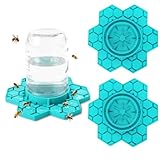
2 Pack Bee Feeder for Mason Jar, Silicone Bee Watering Station, Compatible with Regular and Wide Mouth, Bee Feeders for Hives, Beekeeping Supplies, Bee Waterer for Outside Garden(Blue)
Shop on Amazon

BeeCastle Bee Pro Feeder Beehive Frame Feeder 6.5L for Deep Frame Water Feeder for Beekeeping Bee Feeding Tools
Shop on Amazon
How to Strengthen or Revive Bee Feeder
Weak colonies often trace back to inefficient feeding. To fix this:
- Relocate the Feeder: Place it directly above the brood nest (the area where the queen lays eggs and young bees are raised, accessible via an inner cover) for easy access.
- Use Attractants: Add a few drops of lemongrass oil to syrup to entice bees.
- Upgrade Capacity: A larger feeder like the BeeCastle 3.5L 2-pack reduces refill trips, minimizing hive disturbance.
- Insulate in Winter: Wrap feeders with foam to prevent syrup from freezing.

BeeCastle 2 Pack 3.5L Beehive Feeder Beehive Frame Feeder Deep Frame Water Feeder for Beekeeping Bee Feeding Tools
Shop on Amazon
Pro Tip: Monitor consumption. If bees ignore the feeder, check for robbing (other bees stealing honey) or disease—they may prioritize hive defense over feeding.
Handling Aggressive Behavior Related to Bee Feeder
Bees may become defensive near feeders due to:
- Overcrowding: Add multiple feeders to reduce competition.
- Robbing: Use entrance reducers (devices that narrow the hive entrance) and feed at dusk to avoid attracting foreign bees.
- Scent Contamination: Rinse feeders thoroughly—residue from pesticides or harsh cleaners can agitate bees.