Best Honey Strainers
A honey strainer is one of the few pieces of equipment where you can either spend $15 or $150 and end up with usable honey either way. Most beginners don’t need anything fancy—a basic single or double mesh strainer works fine for small batches. This guide covers what actually matters when choosing one, and what you can safely skip.
Best Overall Strainer
The double mesh honey strainer strikes the best balance for most hobbyists. It uses two layers of mesh (usually 600-micron coarse over 400-micron fine) stacked together, which catches debris in the first layer and fine particles in the second without clogging as quickly as a single fine mesh would. This two-stage approach means faster straining and less frustration—you’re not waiting 20 minutes for honey to drip through.
Most double mesh strainers are stainless steel or food-grade plastic, sit over a bucket, and cost between $30 and $60. They handle the output of 2–4 hives without complaint. The main downside is that they’re bulkier to store and clean than simpler options, but if you’re extracting more than once a year, the speed advantage pays for itself in sanity. Look for one with a sturdy stand or clips so it won’t tip into your honey bucket mid-strain.
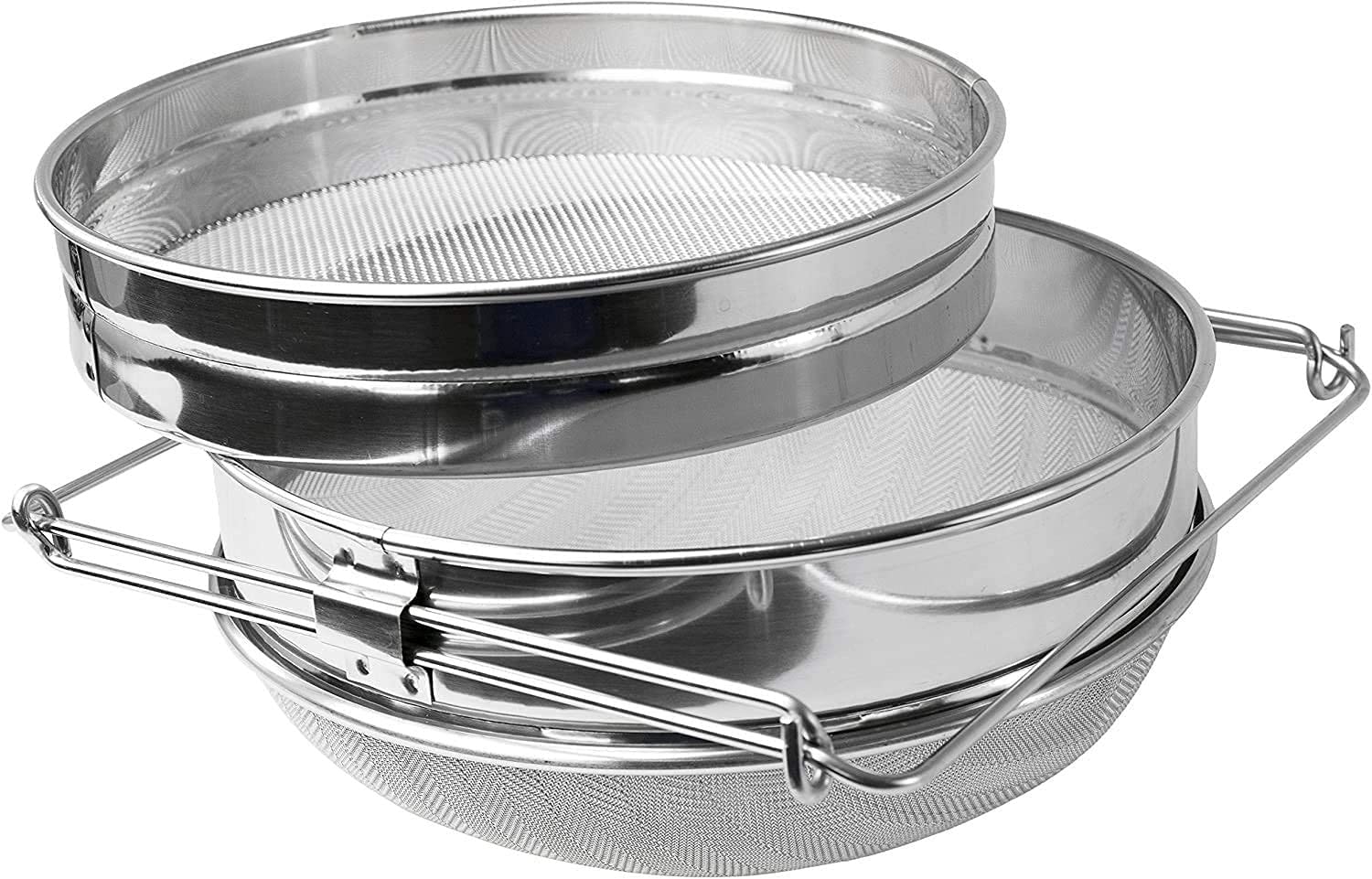
A double mesh honey strainer is the practical choice for most hobbyists because it balances speed and clarity without unnecessary complexity. The two-layer design strains faster than single mesh while producing visibly clearer honey, and most models are durable enough to last years with basic care.
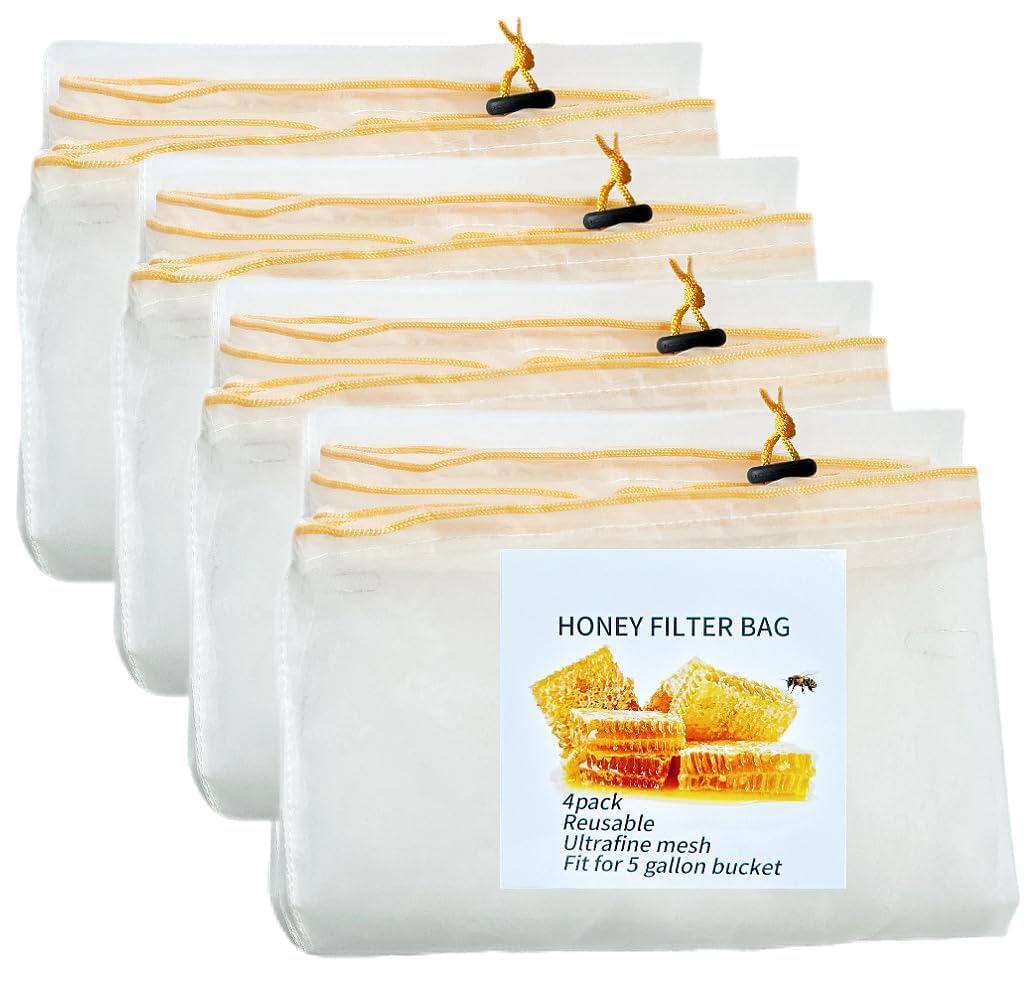
A fine mesh honey strainer is worth considering only if you're after maximum clarity or have already decided you want very clean honey. It will strain more slowly than coarser options and requires patience, but produces the clearest possible result for display or gifting.
Best Budget Option
If you’re extracting honey for the first time and want to spend as little as possible, a single mesh honey strainer under $20 does the job. These typically have a 400-micron mesh (medium-fine) and are usually plastic with a simple cone or funnel shape. They’re lightweight, take up almost no space, and honestly, they work—honey will eventually get through.
The catch: straining is slower, especially if your honey has a lot of debris or pollen. You might wait 30–45 minutes for a 5-gallon bucket to strain through. For a single hive’s annual harvest, that’s tolerable. For anything larger or if you’re impatient, you’ll regret not spending the extra $20. These budget strainers are also more prone to tipping or warping if you’re not careful, so handle them gently.
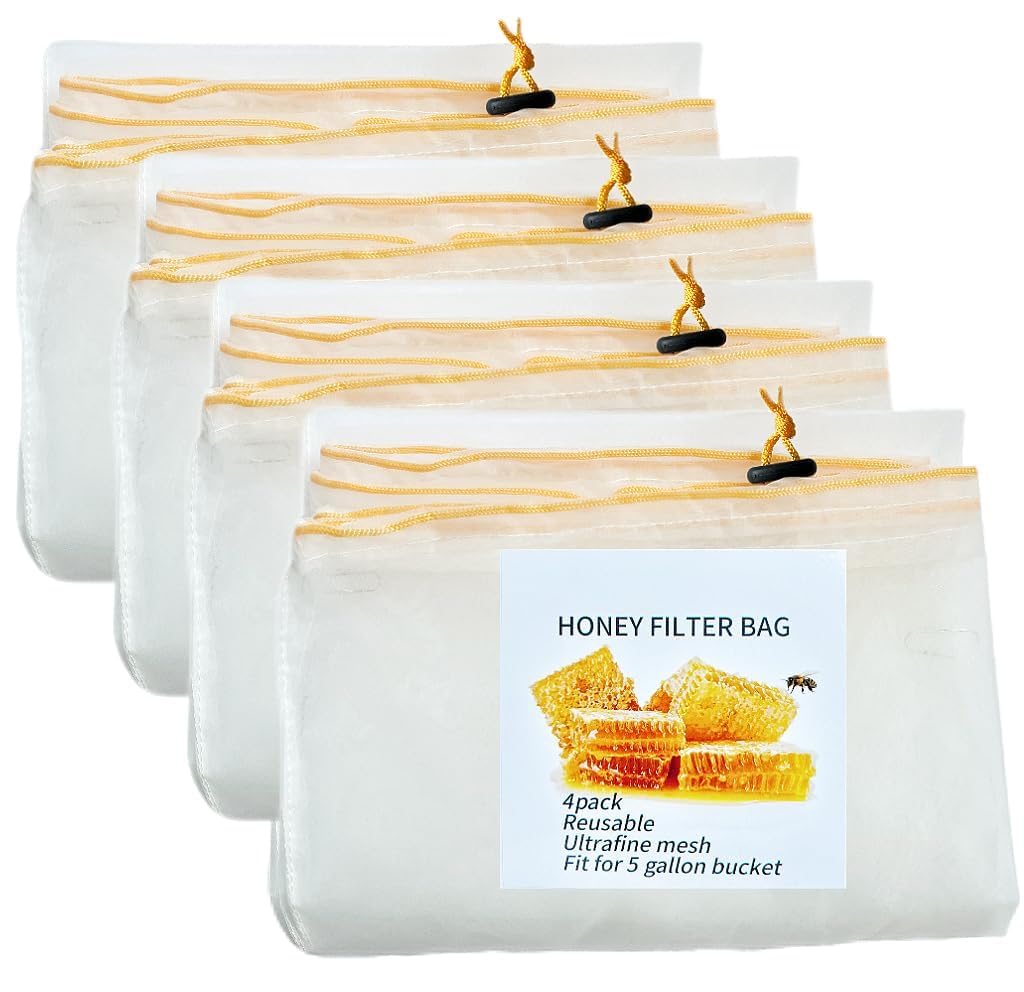
A single mesh honey strainer works well if you're extracting small amounts and don't mind a slightly longer wait. It's affordable, simple to clean, and takes minimal storage space, making it ideal for first-time extractors or those with just one or two hives.
Single vs. Double Mesh Straining
A single mesh strainer has one layer, usually 400 microns (medium-fine). It catches large debris—bee parts, wax chunks, propolis bits—but lets pollen and fine particles through. The honey looks clear enough for most purposes, though it may have a slight haze if you hold it to the light.
A double mesh strainer has two layers: a coarser one (often 600 microns) and a finer one (400 microns or smaller). The first layer does the heavy lifting, and the second catches what the first missed. The result is clearer, cleaner honey with less pollen. Double mesh is slower but produces a more polished final product. For raw honey, the difference is cosmetic; for honey you plan to gift or sell, double mesh looks noticeably better. If you’re only straining once a year and don’t mind slightly hazier honey, single mesh is fine. If you want restaurant-quality clarity or strain regularly, double mesh is worth it.
How Fine a Strain You Actually Need
Most beginners overthink this. You don’t need a 200-micron or 100-micron “ultra-fine” strainer for raw honey. Those are overkill for typical hobbyist use and can clog significantly with cold or debris-heavy honey, turning straining into an all-day event. A 400–600 micron range (single or double mesh) removes what matters—visible debris, bee parts, and excess pollen—without that frustration.
If you’re making creamed honey, infused honey, or selling honey commercially, finer mesh might appeal to you later. For now, aim for “clean enough to gift” rather than “pharmaceutical-grade.” Raw honey naturally contains pollen and fine particles; that’s part of its character. A basic strainer gets you there without frustration. Save the fancy equipment for when you’re running 10 hives and straining becomes a regular chore.