Best Beekeeping Gloves for Small Hands
Do you actually need special gloves for small hands? Not necessarily. Many beginners start without gloves at all, or wear regular work gloves. That said, if you prefer hand protection and find standard beekeeping gloves too loose and clumsy, gloves designed for a smaller fit can make a real difference in dexterity and comfort during inspections. This guide covers what works for smaller-handed beekeepers and when gloves are worth buying.
Best Overall Small-Fit Gloves
The ideal small-hand glove balances protection, fit, and tactile sensitivity. You want something that won’t slip around when you’re handling frames, but also won’t be so tight that your hands cramp after an hour of work. Goatskin or cowhide leather in a genuine small or medium size is your best bet—these materials are flexible enough to move with your hands while offering sting protection on the back and fingers.
Look for gloves with an elastic wrist closure or adjustable cuff. This keeps bees from crawling up your sleeves and also prevents the glove from riding up when you reach into the hive. The glove should cover your wrist but not extend so far up your arm that you lose mobility. Seams should be reinforced, especially around the thumb and between the fingers, since these are stress points. A good small-fit glove will cost between $20–$40 and should last a full season with basic care (occasional cleaning, air-drying).
Best Budget Option
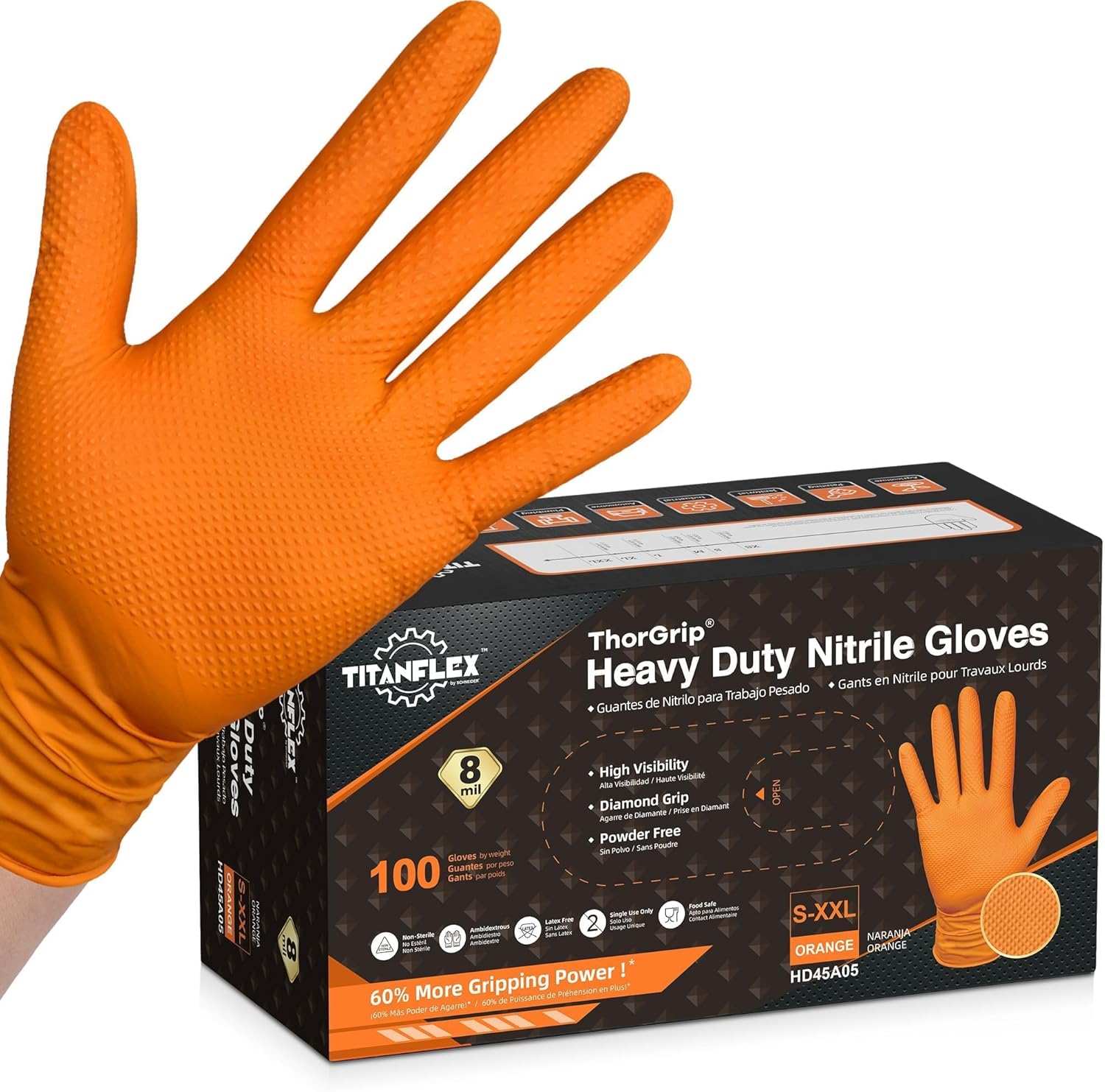
Nitrile gloves cost less than leather and give you more finger dexterity for delicate hive work, though they offer less sting protection if a bee gets determined.
You don’t need to spend $40 on your first pair. Affordable options in the $10–$18 range exist and work fine for beginners, especially if you’re still figuring out whether you like wearing gloves at all. Nitrile or cotton blend gloves from general work-supply companies often come in small sizes. Keep in mind that nitrile in particular offers less sting resistance than purpose-made leather beekeeping gloves, so these are better suited to calm hives and gentle inspections rather than more defensive colonies.
The trade-off is durability and bee-specific design. Budget gloves may not have reinforced sting protection on the back of the hand, and the wrist closure might be a simple elastic band rather than a secure velcro strap. They also wear out faster than higher-quality options. For a beginner on a tight budget, this is a reasonable starting point. Once you know you enjoy beekeeping and want to invest further, upgrade to a higher-quality small-fit option.
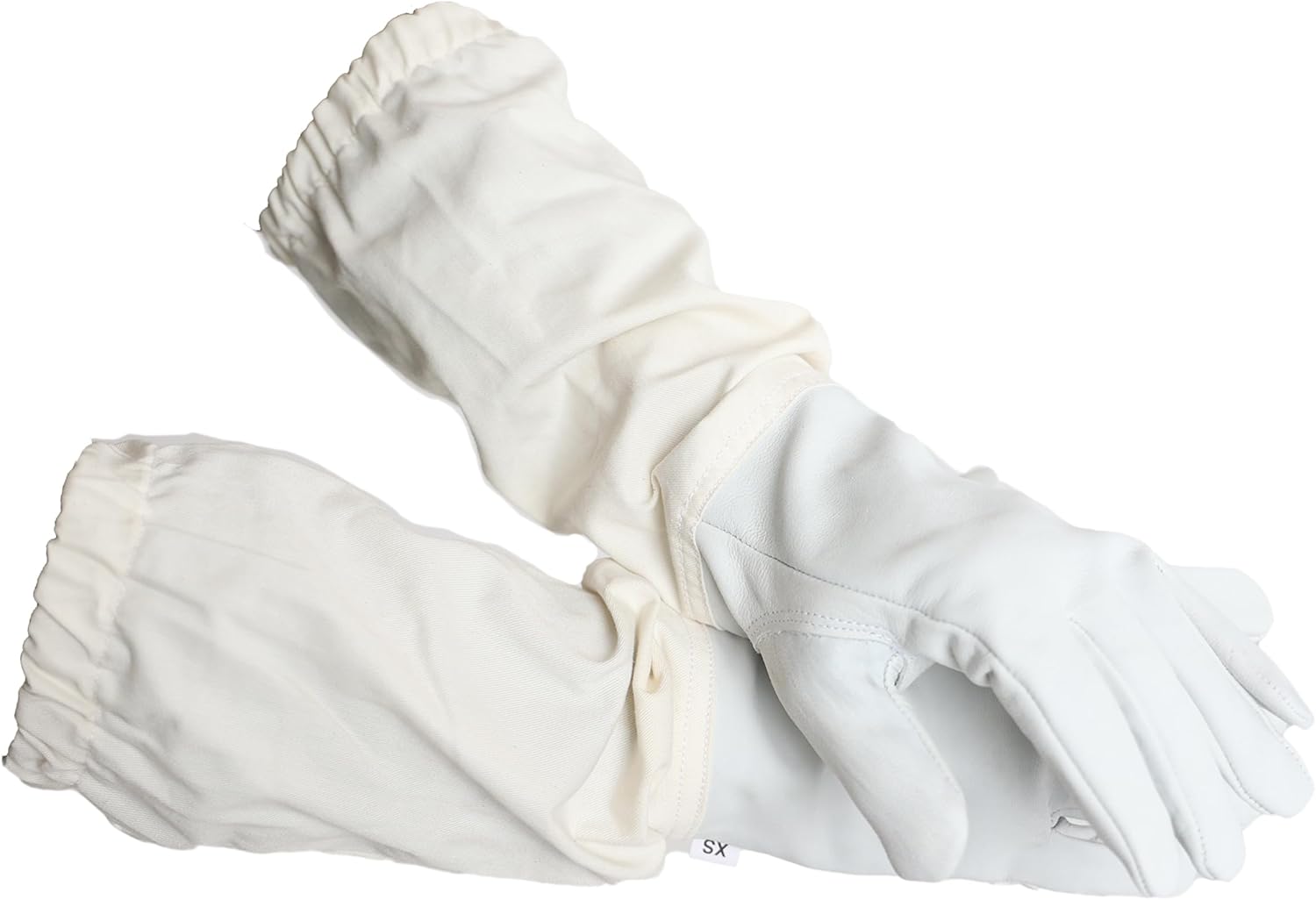
Beekeeping gloves small size are a straightforward choice for smaller hands, offering a genuine small fit in either leather or nitrile depending on the vendor. These gloves typically feature reinforced palms and fingers, an adjustable wrist cuff, and cost between $18–$35, making them accessible for beginners without sacrificing basic protection and comfort.
Leather vs. Nitrile for Small Hands
Leather gloves (goatskin or cowhide) are the traditional choice and remain popular because they’re naturally flexible, breathable, and offer good tactile feedback. You can feel the frame better and manipulate small components. Leather also ages well—it actually becomes more supple with use. The downside: leather requires occasional conditioning to stay supple, and it’s slower to dry if it gets wet.
Nitrile gloves are synthetic, waterproof, and require almost no maintenance. They dry instantly and don’t need conditioning. For someone with small hands, nitrile can be a good choice because it’s easier to find a true small size without gaps. However, nitrile is less breathable than leather, so your hands may sweat more on warm days. Nitrile also offers less tactile sensitivity—you won’t feel the frame texture as clearly. Many experienced beekeepers prefer leather, but many beginners find nitrile simpler and more forgiving. Try both if you can borrow a pair from a local beekeeping group before committing.
Sizing Tips Before You Buy
Measure your hand before ordering online. Wrap a soft measuring tape around the widest part of your palm, excluding the thumb. Most glove sizing charts use this measurement, but ranges vary by manufacturer, so always check the specific sizing chart for the gloves you’re considering rather than relying on general size labels alone. Don’t assume—a glove that’s too loose is nearly useless in the hive.
Check the return policy. Gloves are personal items and many retailers won’t accept returns once worn, so confirm before buying. If you’re ordering from an unfamiliar supplier, buy from one with a clear return window. When your gloves arrive, try them on indoors first. Make a fist, reach overhead, and simulate opening a frame. Your fingers should have a little room to move, but the glove shouldn’t bunch up or slide around. A snug fit around the wrist is essential—if it’s loose, bees will find their way in.