Essential Beekeeping Tools Checklist
You don’t need a garage full of equipment to start keeping bees. Most beginners buy too much before their first season and end up with unused gear. This guide focuses on what actually matters, what can wait, and what sounds necessary but really isn’t.
Tools You Need on Day One
A hive tool is your single most important purchase. It’s a flat metal pry bar, usually 10 inches long, designed to separate boxes and frames without damaging them. You’ll use it constantly—bees glue everything together with propolis, a sticky resin, and you need something sturdy to work with that. Don’t try to improvise with a screwdriver or butter knife; they bend and damage your equipment.
A bee smoker is essential. This is a metal canister with a bellows that burns wood chips, cardboard, or burlap to produce cool smoke. Smoke helps calm bees primarily by masking their alarm pheromones — chemical signals bees release to alert the colony to a threat — making the bees less likely to sting you. A small smoker works fine for a beginner with one or two hives. You’ll also need fuel—pine needles, wood chips, or dried grass all work, and they’re free or nearly free.
A veil or full suit protects your face and body. You can start with just a veil (a mesh hood that attaches to a hat), which costs $15–30 and is less hot than a full suit in summer. Gloves are optional for day one—many experienced beekeepers skip them because they reduce dexterity—but if you’re a beginner who hasn’t yet learned to read bee behavior, having a pair on hand is a smart precaution.
A basic hive setup (a box, frames, and a bottom board) isn’t technically a “tool,” but it’s part of your startup cost. One standard Langstroth hive box — the most common hive type, made up of stackable rectangular boxes — with 10 frames runs $40–80 depending on whether it’s assembled. You’ll need at least one box to start, though two is better.
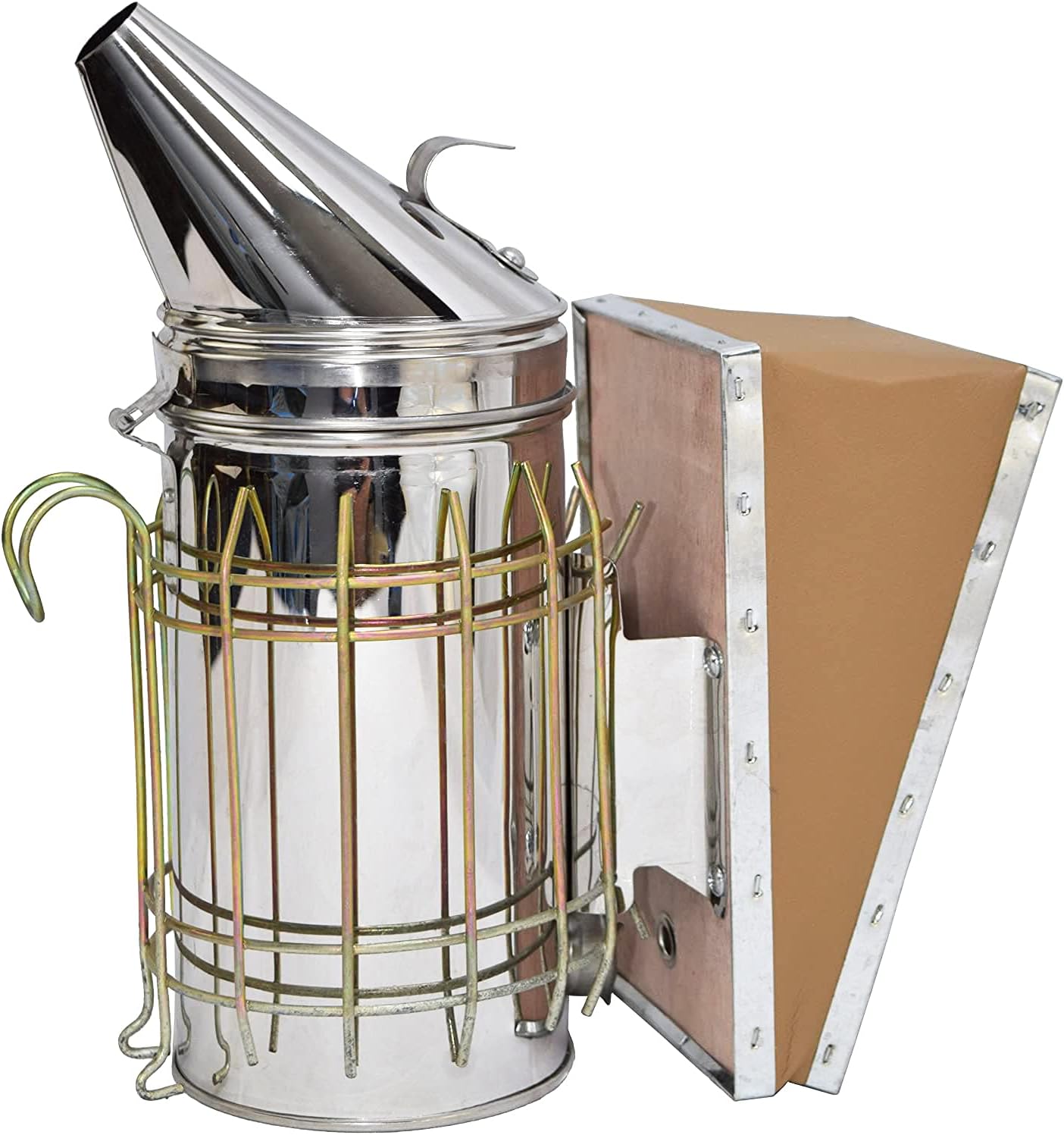
A standard smoker with a 3-inch firebox is adequate for one or two hives and costs $25–40. Larger smokers ($60+) are useful only if you manage five or more hives, so don't overspend here. Fuel is free or nearly free if you collect your own.
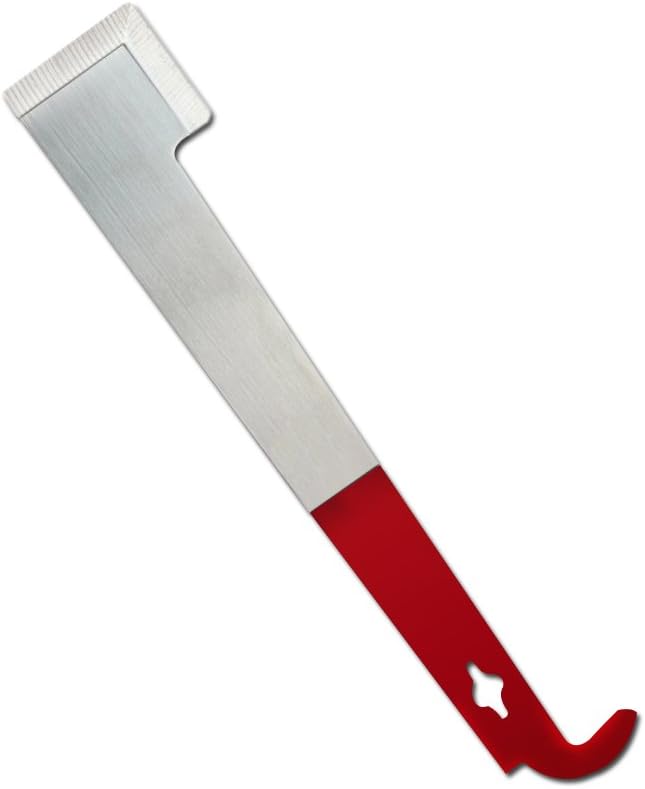
A basic stainless steel hive tool with a flat end and a curved end runs $12–20 and lasts decades. Stainless steel won't rust, and the two ends let you work different angles without switching tools. Buy one good tool instead of three cheap ones.
Tools That Can Wait Until Season Two
A bee brush is a soft brush designed to gently remove bees from frames without crushing them. Beginners often buy these immediately, but honestly, you can work without one for your first year by simply letting bees walk off frames naturally or using a feather. Once you’re comfortable handling bees, a brush makes inspections smoother and faster.
A frame grip or frame holder is a clamp that holds frames steady while you inspect them. It’s genuinely useful if you have three or more hives, but with one or two hives, you can hold frames by hand or rest them on the box edge. Wait until you’re sure you’re keeping bees long-term before investing in one.
A honey extractor is only relevant if you plan to harvest honey, which most beginners don’t do in year one. Your bees need their honey to survive winter. In year two or three, if you want to harvest, you can buy or borrow an extractor—they’re expensive ($150–500) and you won’t use it year-round.
A bee suit (full-body protection) is nice but not mandatory. Many beekeepers work in regular clothes with a veil. If you’re allergic to stings or very anxious, a suit is worth the investment. Otherwise, start with a veil and add a suit later if you feel you need it.
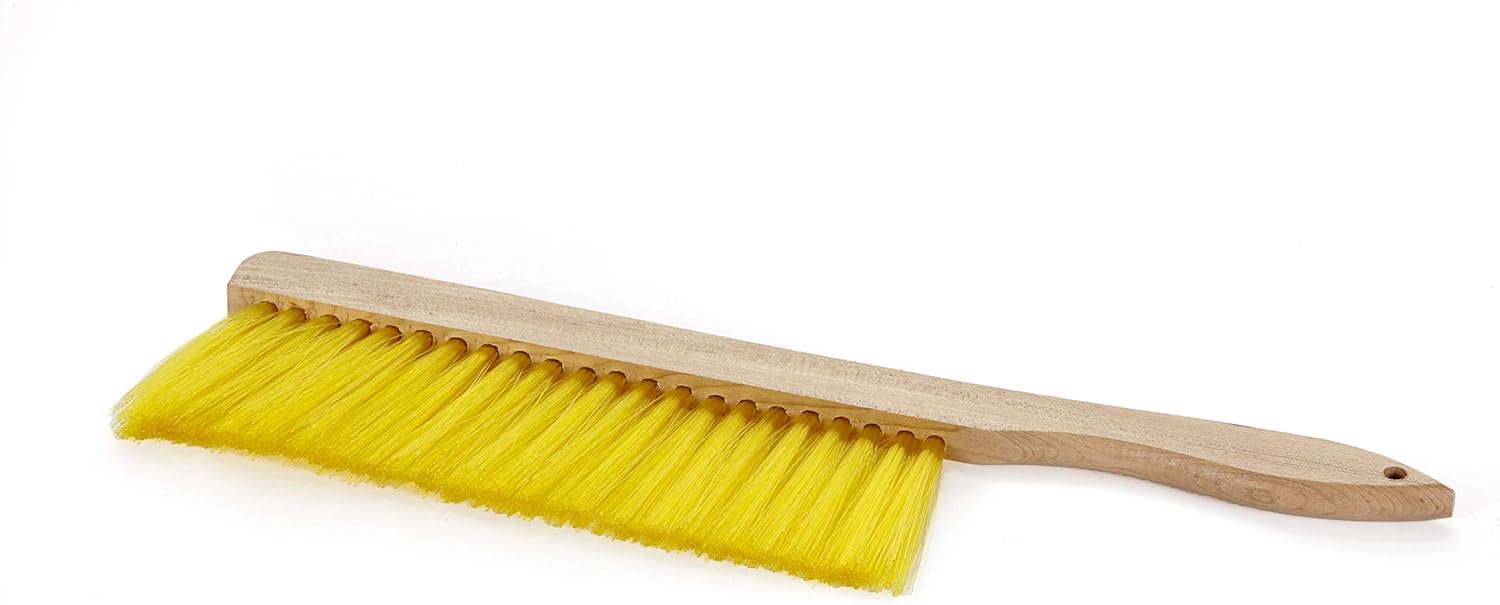
A bee brush with soft, natural bristles costs $8–15 and makes removing bees from frames easier once you're comfortable handling them. It's a nice-to-have in year two, not a must-have in year one.
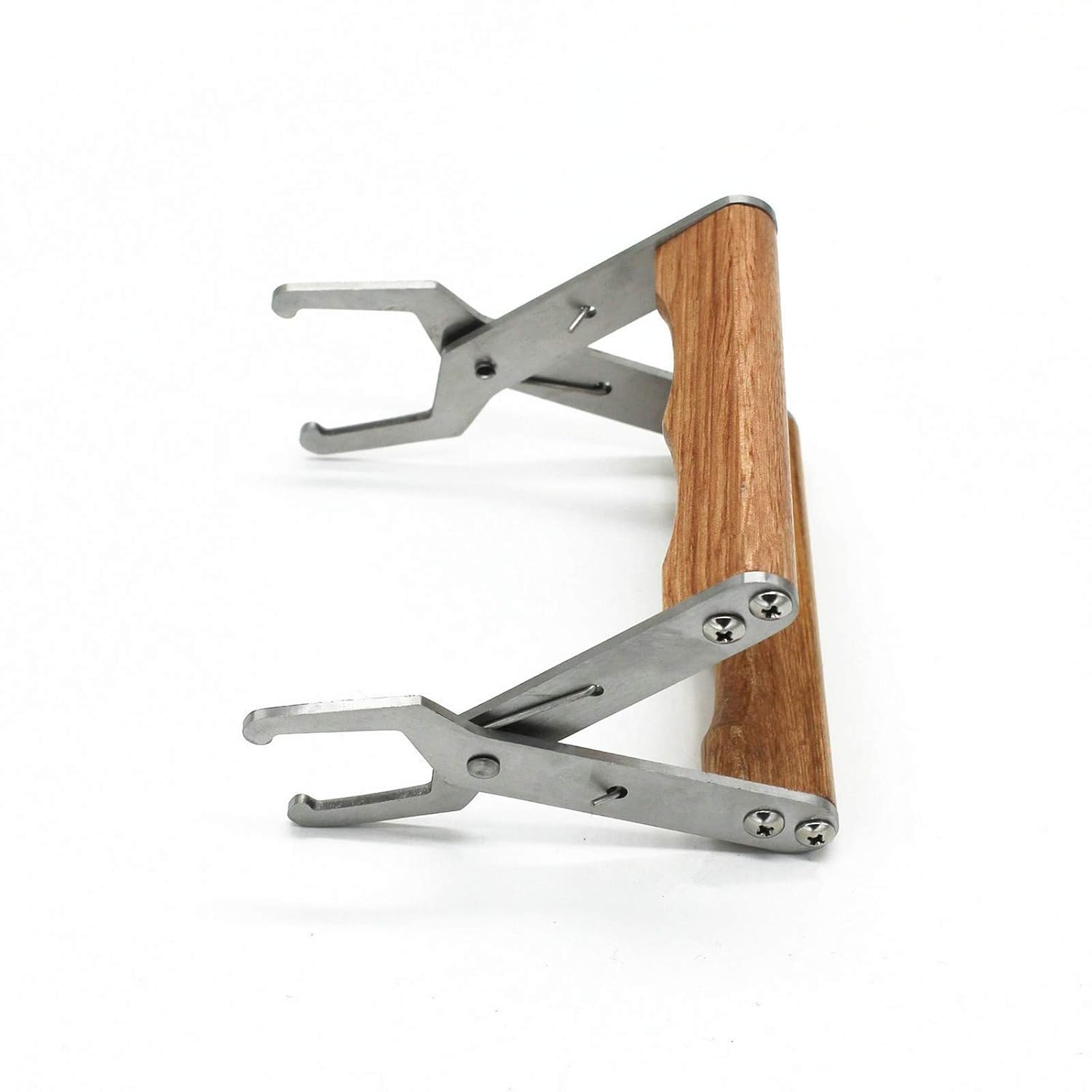
A frame grip or frame holder runs $30–50 and is worth buying once you have three or more hives. It saves your hands and reduces the chance of dropping frames during inspection, but beginners can manage without one.
Tools Experienced Keepers Actually Use Daily
Experienced keepers almost always carry a hive tool and smoker—these two items never leave their side during inspections. They also use a notebook or phone app to record what they see: brood patterns, disease signs, food stores, and behavior. This record-keeping is what separates successful keepers from frustrated ones.
Many veteran keepers use a frame grip if they manage multiple hives. It prevents fatigue and reduces the risk of accidentally crushing the queen when you’re tired or working fast. They also keep spare frames and boxes on hand for splits — the practice of dividing one colony into two to create a new hive — or emergency repairs.
Most experienced keepers eventually invest in a queen marker pen (a paint pen for marking the queen) and a magnifying glass for spotting small issues. These cost under $20 combined and save hours of squinting at tiny Varroa mites — a common parasitic mite that attaches to bees and is one of the leading threats to hive health — or eggs. They also keep a simple thermometer in the apiary to understand hive temperature during different seasons.
Tools That Sound Essential But Aren’t
A bee vacuum is marketed as essential for removing bees gently, but beginners don’t need one. Smoke and patience accomplish the same goal for free, and learning to work calmly with smoke is a foundational skill worth developing early rather than bypassing with a gadget.
Entrance reducers, queen excluders, and pollen traps are all useful eventually, but they’re not necessary for your first hive. Each of these tools solves a specific problem — controlling traffic, keeping the queen out of honey supers, or collecting pollen — and adding them before you understand why you’re using them creates confusion rather than solving it. Start simple, observe your bees through at least one full season, and add equipment only when you have a clear reason to do so.
A bee counter or frame scale sounds scientific and helpful but is overkill for a beginner. You learn population size by looking at frames. You don’t need gadgets.