Natural vs. Chemical Mite Treatment Comparison
Varroa mites are one of the biggest threats to backyard hives, and treating them is often necessary to keep your bees alive. You’ll encounter two main approaches: natural treatments and chemical treatments. This guide compares them honestly so you can decide what fits your hive and your comfort level.
Effectiveness Comparison
Natural mite treatments work by disrupting the mite’s environment rather than poisoning it directly. Common natural approaches include essential oils (like thymol), organic acids (like formic acid or oxalic acid), powdered sugar dusting, and screen bottom boards that let mites fall through. These methods typically reduce mite populations by 30–60% per application, which is meaningful but not total elimination. They work best as part of a rotation or when mite counts are still low—if your infestation is severe, natural treatments alone may not save your hive.
Chemical mite treatments are formulated to kill mites more aggressively and consistently. Products in this category achieve 80–95% mite reduction in a single treatment cycle. They’re designed to penetrate brood cells (the wax-capped chambers where young bees develop, and where mites hide and reproduce), making them effective even when populations are high. The tradeoff is that chemicals are more toxic overall—to mites, yes, but also to your hive and potentially to honey if not applied correctly. Always read the product label carefully and check your local regulations before applying any chemical treatment, as some products have strict temperature windows and honey-super restrictions. For a beginner with a moderate mite problem, chemical treatments often work faster and more reliably.
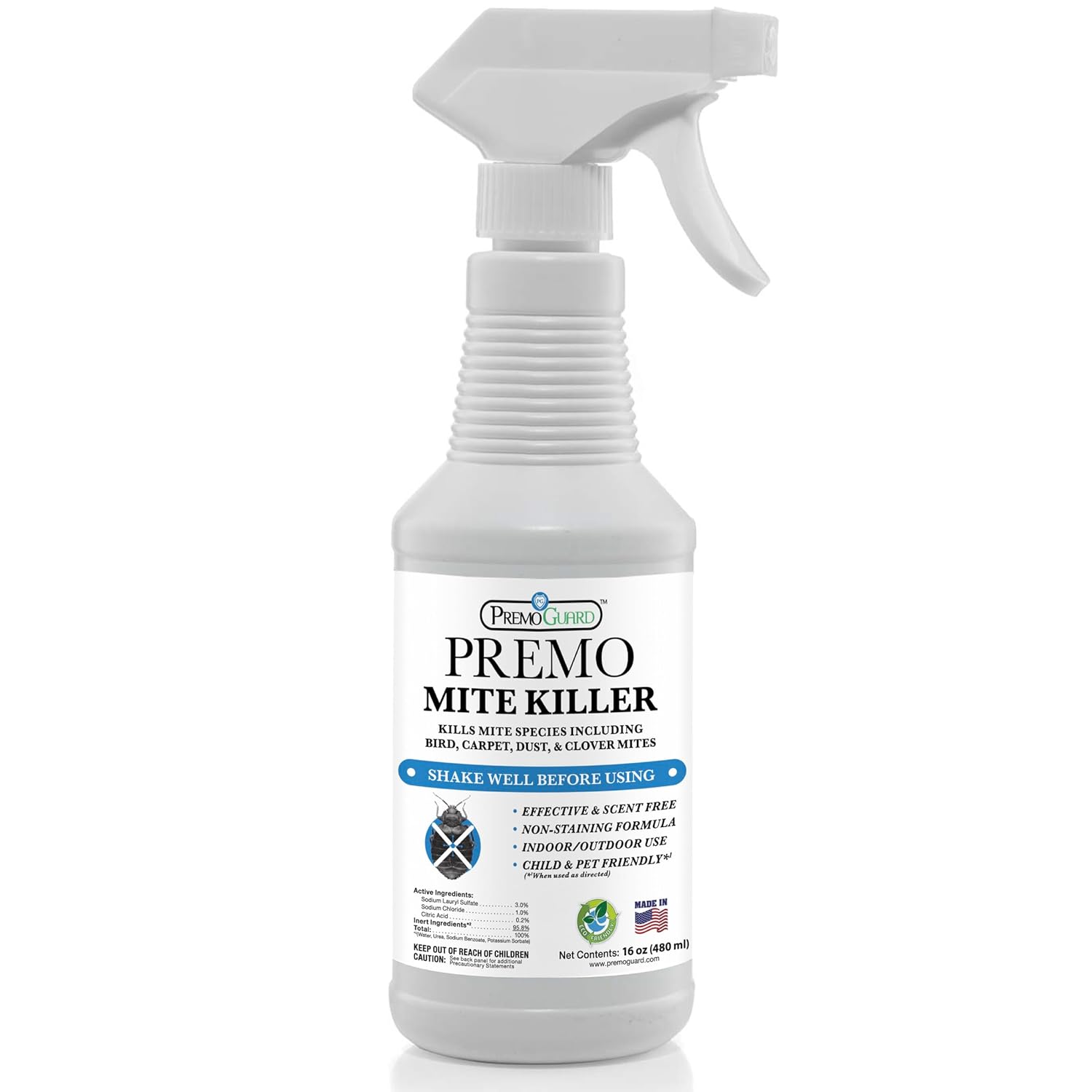
Natural mite treatment using thymol or formic acid is a solid choice if you catch mite problems early and don't mind checking your hive every week or two during treatment. These work best as a preventive tool or when populations are still manageable, and they're gentle enough that you won't worry about contaminating honey if you follow label directions.
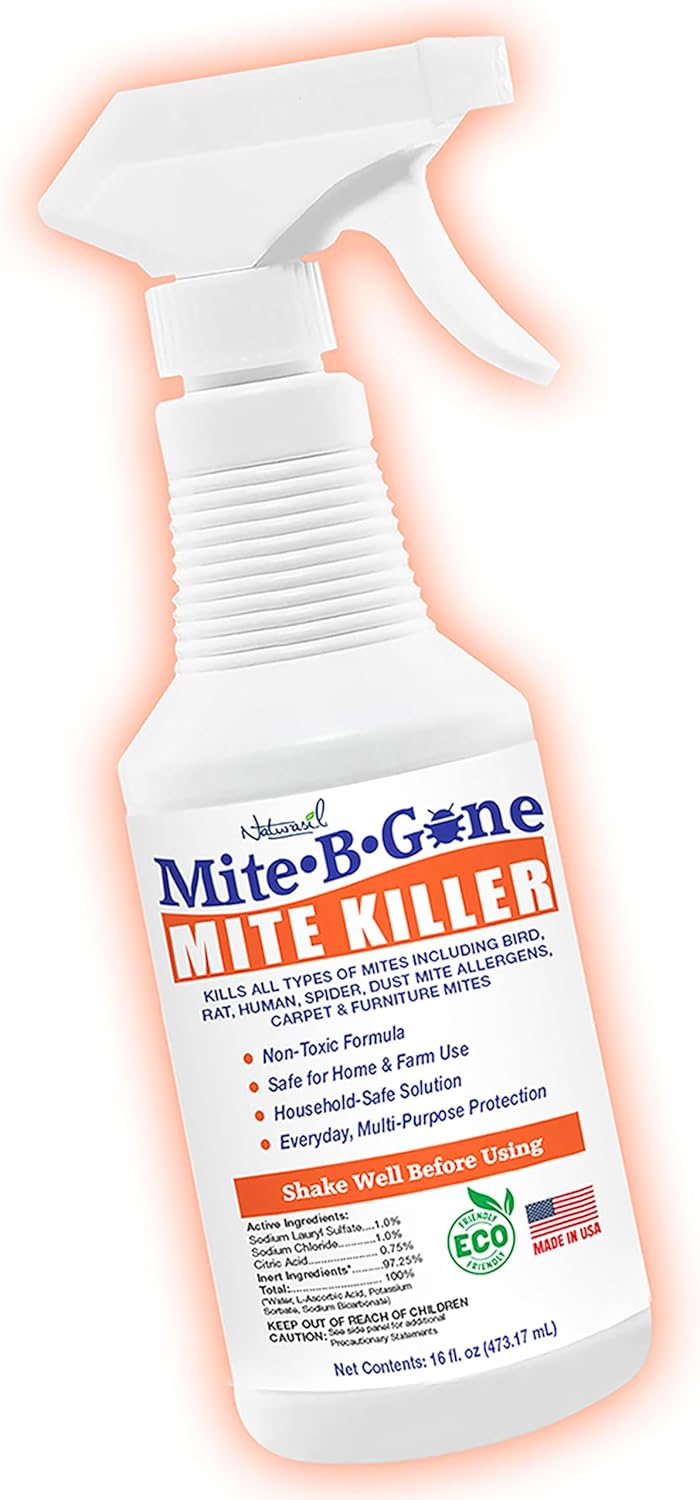
Chemical mite treatment is the faster, more reliable option if your mite count is already high or you want to treat and move on with minimal fuss. Apply it correctly according to the label, rotate products each year, and you'll get consistent results without the repeated hive visits that natural treatments demand.
Cost Comparison
Natural mite treatments are almost always cheaper upfront. Thymol-based products, formic acid strips, and powdered sugar cost between $10–30 per hive per treatment. If you’re treating multiple hives or doing repeated applications across a season, you might spend $40–80 total per hive. The low cost makes it tempting, but factor in time: natural treatments often require more frequent applications (every 7–10 days for several weeks) and more hands-on monitoring.
Chemical mite treatments typically cost $20–50 per hive per treatment, so slightly higher per application. However, they usually require only one or two treatments per season to be effective, which can actually make them cheaper overall when you account for labor and repeated trips to the hive. If you’re a beginner managing just one or two hives, the time savings might be worth the extra dollars. Bulk pricing improves if you’re treating many hives.
Resistance Risk Over Time
Varroa mites can develop resistance to chemical treatments if the same product is used repeatedly year after year without rotation. This is a real concern for beekeepers who treat the same way every season. Once resistance develops, that chemical may stop working entirely. Responsible chemical users rotate between different product types to slow resistance development.
Natural treatments carry a lower resistance risk because mites don’t adapt as easily to physical or environmental disruption (like essential oils or falling through screens). However, this doesn’t mean natural treatments are “resistance-proof”—some research suggests mites can show reduced susceptibility to certain natural compounds over time. The practical difference is that natural treatments are less likely to fail completely if you use the same one every year, but they’re also less likely to work as well as a chemical alternative in the first place. For a beginner, this is usually not the deciding factor unless you plan to keep bees for many years and want to avoid ever switching to chemicals.
Side-by-Side Comparison Table
| Factor | Natural Mite Treatment | Chemical Mite Treatment |
|---|---|---|
| Mite kill rate | 30–60% per application | 80–95% per application |
| Cost per hive | $10–30 per treatment | $20–50 per treatment |
| Treatments needed per year | 3–6 applications | 1–2 applications |
| Time commitment | High (frequent checks) | Low (1–2 applications) |
| Toxicity to bees | Low | Moderate if misapplied |
| Resistance risk | Low | Moderate (with rotation) |
| Best for | Low mite counts, prevention | High mite counts, quick action |
| Beginner-friendly | Yes, but labor-intensive | Yes, straightforward |