Best Beeswax Melters
If you’re new to beekeeping, you might not need a beeswax melter right away—but once you start collecting cappings and old comb, one becomes genuinely useful. A beeswax melter lets you render wax cleanly so you can make candles, salves, or sell it, rather than throwing it away. This guide covers the main types, what actually matters for beginners, and which options make sense depending on your hive count and ambitions.
Best Overall Wax Melter
An electric beeswax melter is the most reliable choice for most hobbyists because it gives you consistent, controllable heat and works regardless of weather or season. The best electric models use a double-boiler design—a heated outer chamber and an inner container where wax melts—which prevents scorching and keeps temperatures steady around 170–180°F. You fill the outer chamber with water, add your wax to the inner pot, and let it melt slowly over 30–60 minutes. The water acts as a buffer, so the wax never gets too hot and darkens or loses quality.
Electric melters typically hold 5–15 pounds of wax per batch and plug into standard outlets. They’re faster than solar options (especially useful in winter or cloudy climates), and you don’t have to babysit them. The main trade-off is cost—expect to spend $60–$150—and they take up shelf or bench space. If you keep 2–4 hives and plan to render wax a few times a year, an electric melter pays for itself quickly through the value of usable wax you’d otherwise lose.
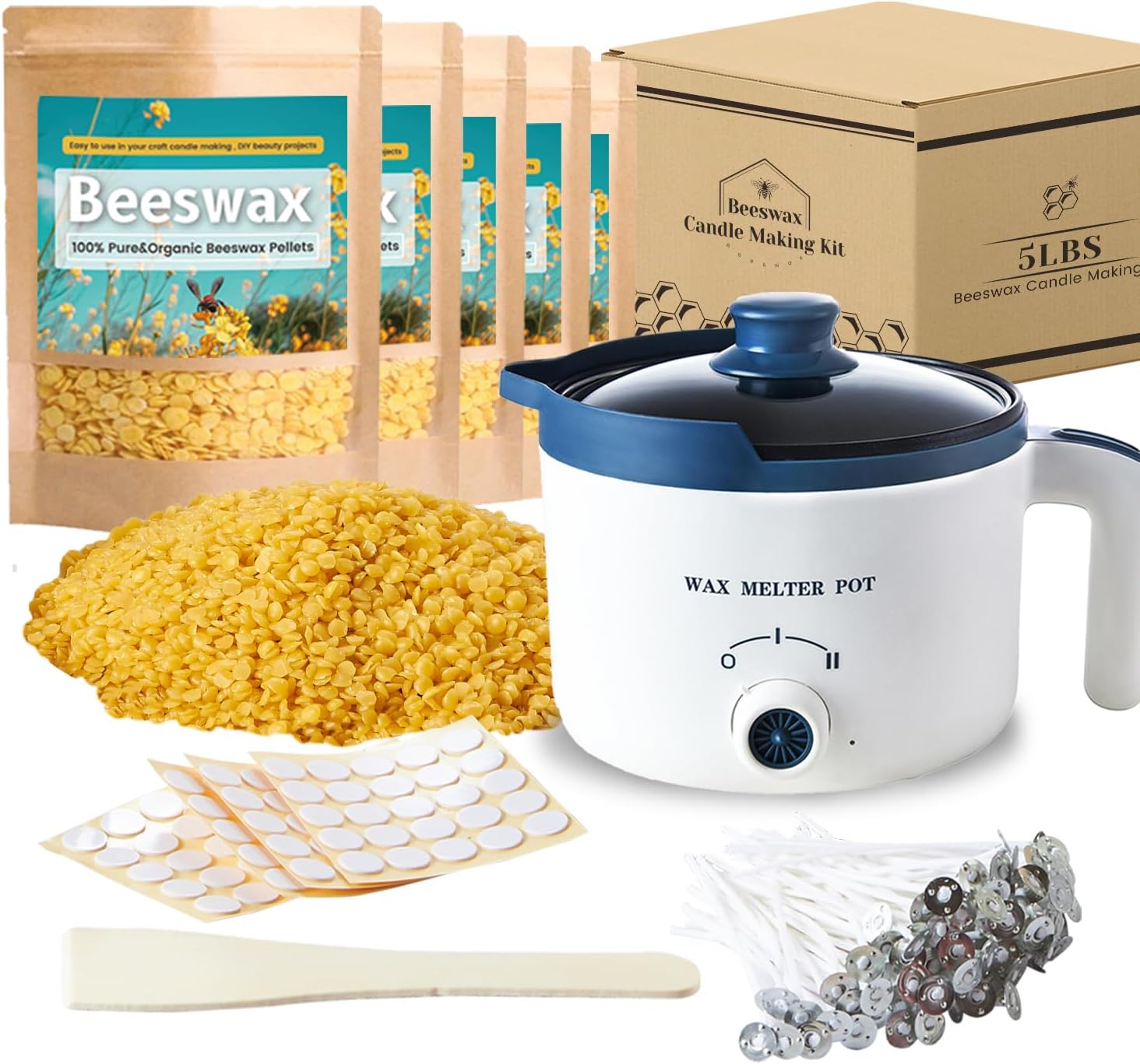
An electric beeswax melter offers the best balance of speed, safety, and ease for most hobbyists, with consistent results and minimal fuss. Look for models with a double-boiler design and a 10–12 pound capacity, which covers most small-scale beekeeping needs without being excessive.
Best Budget Option
If you want to spend less, a small beeswax melter under $30 is a real option, though with limits. These are typically lightweight, single-wall designs made of aluminum or stainless steel that sit on a stovetop or over a heat source. They work fine for small batches (1–3 pounds) and require no electricity, so they’re portable and good for casual use. The catch is you must monitor them constantly—wax can overheat, discolor, or even catch fire if left unattended, and cleanup is messier since there’s no water buffer.
A small melter makes sense only if you’re rendering wax infrequently, have just one or two hives, or want to test the process before investing more. Many beekeepers start here, render a batch or two, then realize they want something hands-off and upgrade to electric. If you go this route, always use low to medium heat, never leave it unattended, and keep a fire extinguisher nearby. It’s not laziness to skip this step—it’s practical.
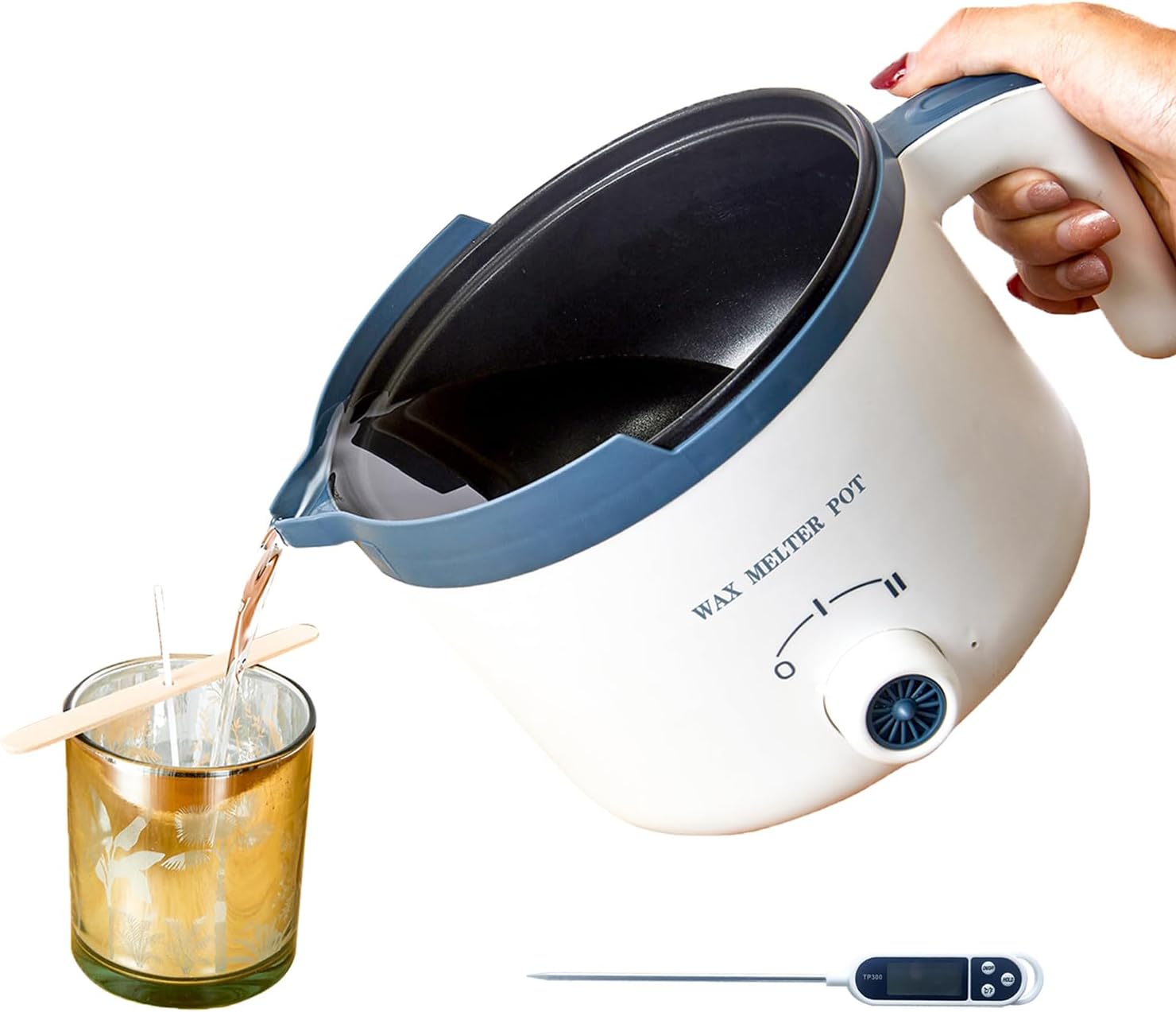
A small beeswax melter is practical only if you're rendering small batches infrequently or testing the process before committing to a larger setup. It's cheap and portable but demands close attention and careful heat management.
Solar vs. Electric Melters
Solar beeswax melters are attractive in theory: free heat, no electricity, environmentally friendly. They use a box with a glass or clear plastic lid and a dark interior to trap heat from the sun, melting wax passively over several hours. In summer, in a sunny climate, they work well and cost $40–$100. The problem is reliability: they’re useless on cloudy days, slow in spring and fall, and completely dormant in winter. If you live somewhere with consistent, intense sun and don’t mind waiting, a solar melter is a nice option.
Electric melters win on speed, consistency, and year-round use. You can render wax in an hour any day, in any season, and the results are predictable. For most hobbyists in temperate climates, electric is the practical choice. Some beekeepers use both—a solar melter in summer as a secondary option, and electric as their main workhorse. If you’re in a genuinely sunny region (Southwest, Southern California) and don’t mind batching your rendering for summer months, solar is worth considering. Otherwise, electric saves frustration.
Batch Size Considerations
How much wax do you actually get? A typical deep frame of capped brood or honey yields about 0.5–1 ounce of wax. A full deep box (9–10 frames of cappings) gives roughly 5–8 ounces. If you run 2–3 hives, you might collect 1–2 pounds of cappings per harvest season. A small melter handles this fine. If you run 5+ hives or plan to render regularly, a 10–15 pound capacity electric melter makes sense so you’re not running multiple batches.
Don’t buy a huge melter thinking you’ll scale up quickly. Most hobbyists plateau at 2–4 hives, and a mid-size electric melter (8–12 pounds) covers that comfortably. Oversized equipment sits unused and wastes counter space. Start with a realistic picture of your operation, then size accordingly. If you’re genuinely unsure, a small or mid-range electric melter is the safest bet—it’s flexible enough for growth but not wasteful if you stay small.