Mouse Guard for Beehive Entrance
A mouse guard is a simple barrier that fits over your hive entrance to let bees in and out while keeping mice out. Installing one in fall is cheap insurance against a costly hive loss in most regions — mice actively seek out the warmth of a winter hive, making a guard especially important in cold climates.
Best Overall Mouse Guard
The standard beehive mouse guard entrance is a rectangular frame with quarter-inch hardware cloth or wooden slats spaced a quarter-inch apart. This spacing is the key: it’s large enough for a bee to pass through but too small for a mouse to squeeze through. Most versions measure around 9 to 10 inches long and 2 to 3 inches tall, designed to fit snugly over a standard 10-frame hive entrance or sit just inside the entrance notch. The best versions use sturdy hardware cloth that won’t rust or sag after a season or two, and they’re easy to slide on or off without disturbing the hive.
Some beekeepers prefer wooden versions because they’re less likely to cause condensation buildup, though they wear out faster. Either way, you’re looking at a straightforward piece of equipment that does one job well: it blocks mice while allowing normal bee traffic. Installation takes seconds, and removal in spring is just as quick.
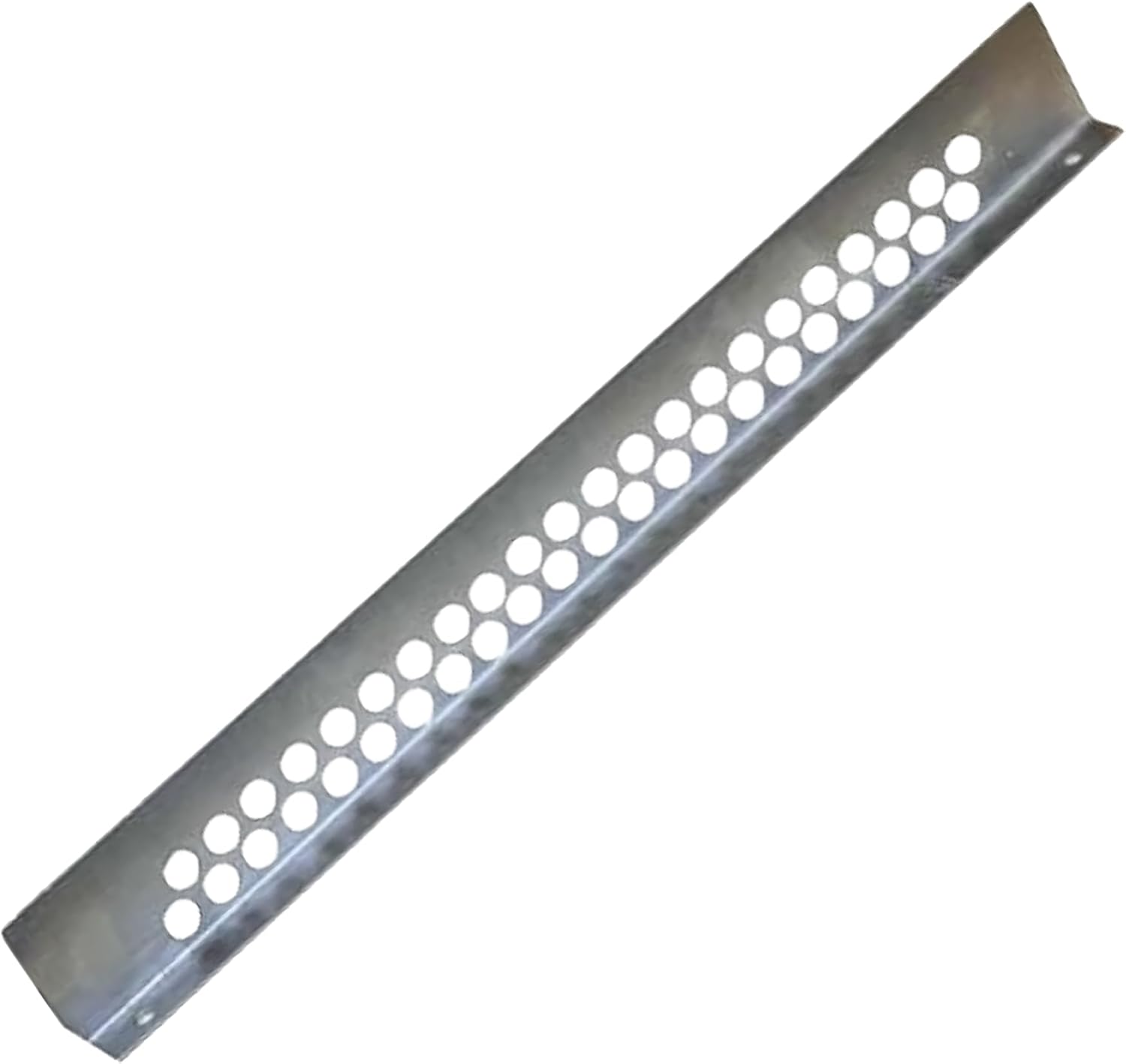
A beehive mouse guard entrance made from galvanized hardware cloth and a wooden frame is durable and widely available from most beekeeping suppliers; it typically costs $15–$25 and will last several seasons with minimal maintenance.
Best Budget Option
A budget mouse guard beehive option costs $5 to $12 and works just as well as pricier alternatives if you’re willing to check it occasionally. The simplest versions use wooden frames with quarter-inch wooden dowels or slats glued and nailed together — nothing fancy, and that’s fine. Some budget guards use thinner hardware cloth that can bend or dent more easily, so inspect yours before installing to make sure the spacing is actually a quarter-inch throughout. If you’re handy, you can build your own from scrap wood and hardware cloth for under $5 in materials; many beekeepers do this successfully.
The trade-off with budget options is durability: they may last only two or three seasons before wood rots or cloth rusts, whereas a mid-range guard ($15–$25) might last five years. For a beginner with one or two hives, a budget guard is a sensible choice — if it fails after two years, you’ve still spent less than you would on replacing a mouse-damaged colony.
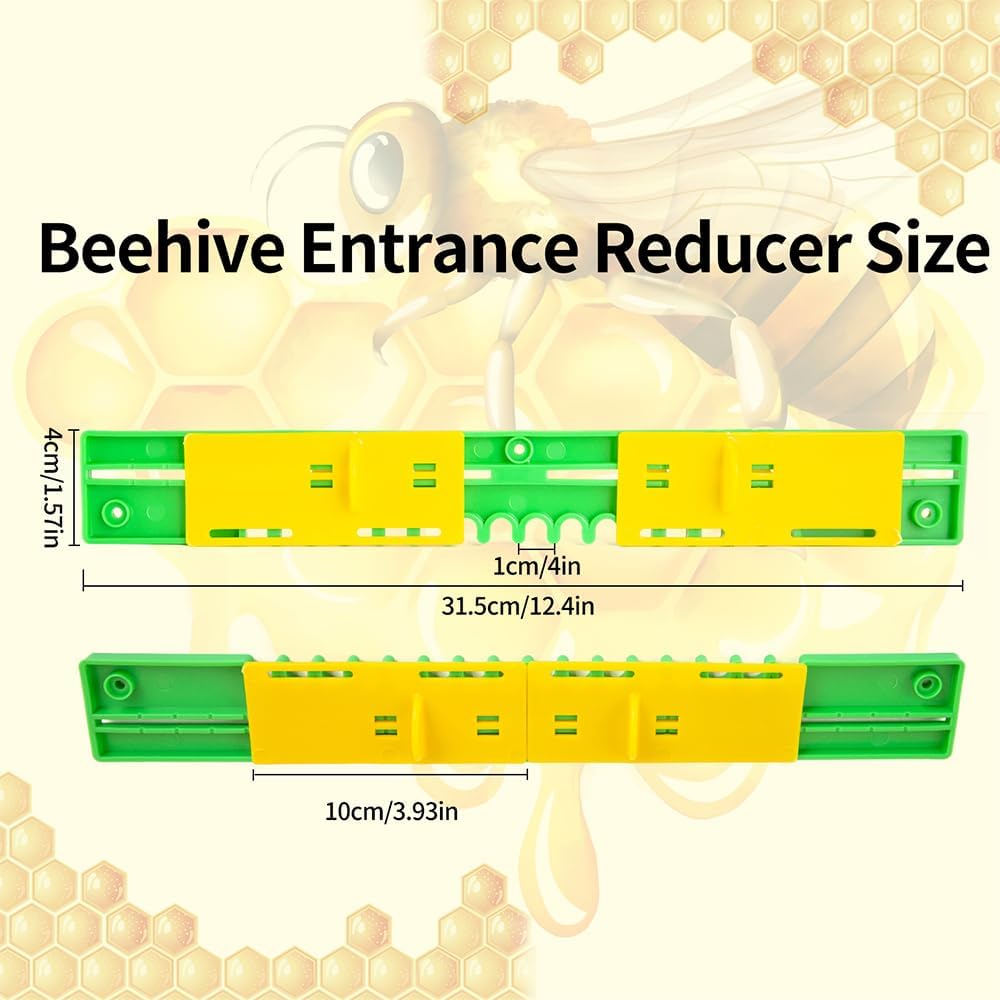
A budget mouse guard beehive using simple wooden dowels or thin hardware cloth costs $5–$12 and works fine for beginners willing to replace it every two or three years rather than invest in a premium option.
When to Install It
Install your mouse guard in mid to late fall, typically September or October in most regions, before mice start seeking shelter inside hives. The exact timing depends on your climate: if you live somewhere with mild winters, mice can be active year-round, so you might install earlier. Don’t install too early in summer, because it can restrict airflow and cause condensation buildup when the hive is still active and warm. Your bees will be clustered and less active by the time you install it, so they won’t be confused by the barrier.
Leave it on through winter and into early spring — remove it once daytime temperatures consistently reach the mid-50s Fahrenheit and your bees are flying regularly again. Leaving a guard on too long into warm weather can trap heat and moisture inside the hive. Mark your calendar: install in fall, remove in spring. If you forget and leave it on all summer, your hive will overheat and your bees may abscond (meaning the entire colony leaves the hive and does not return).
Signs Mice Have Already Gotten In
If a mouse has already invaded your hive, you’ll notice a papery, chewed-up nest material on the hive floor — mice shred wax comb and wood to build nests. You may see droppings (small, dark pellets) scattered on the bottom board or among the frames. A strong, musky smell inside the hive is another telltale sign; it’s distinctly different from the normal honey and bee smell. In severe infestations, you’ll see tunnels or galleries chewed through the comb, and the bees will be stressed and defensive.
By the time you see obvious signs, the damage is usually already done: the colony may be too weakened to recover, especially if the infestation happened early in winter when the cluster is tight and can’t defend itself. If you open a hive in spring and find a dead colony with mouse damage, it’s a hard lesson — that’s why prevention with a guard is so much easier than dealing with the aftermath. If you catch an infestation early (say, in late fall), you can remove the mouse nest, clean out the debris, and reinstall the guard to prevent further entry, though the hive is already stressed.