8-Frame vs. 10-Frame vs. Nuc Box Comparison
Most beginner beekeepers overthink this choice. The difference between 8-frame, 10-frame, and nuc boxes comes down to how much weight you’re willing to lift, how much honey you want to store, and whether you’re starting from scratch or building up a colony. Pick the wrong size and you’ll either strain your back or waste money on equipment you don’t need.
Weight and Ergonomics
This is the most practical reason beginners choose 8-frame over 10-frame. A full 10-frame deep box can weigh 90+ pounds when filled with honey and brood; an 8-frame deep typically maxes out around 60 pounds. If you’re over 50, have shoulder issues, or plan to inspect hives solo, the weight difference matters every single time you work your bees.
8-frame boxes are also easier to handle during inspections. You can comfortably hold one in one hand while working with the other, which reduces fatigue during a long inspection day. However, don’t choose based on weight alone if you’re young and strong—capacity might be more important to you.
10-frame equipment is heavier but not impossible. Many beekeepers use it their whole beekeeping life. The strain is real only if you’re lifting repeatedly or working alone in heat. If you have help, or if you’re patient about taking breaks, weight becomes less of a deciding factor.
Nuc boxes (short for nucleus boxes) are small starter colonies, typically 5 frames. They weigh almost nothing—maybe 15–20 pounds when full—but they’re not a size choice for your main hive. They’re temporary homes for new colonies.
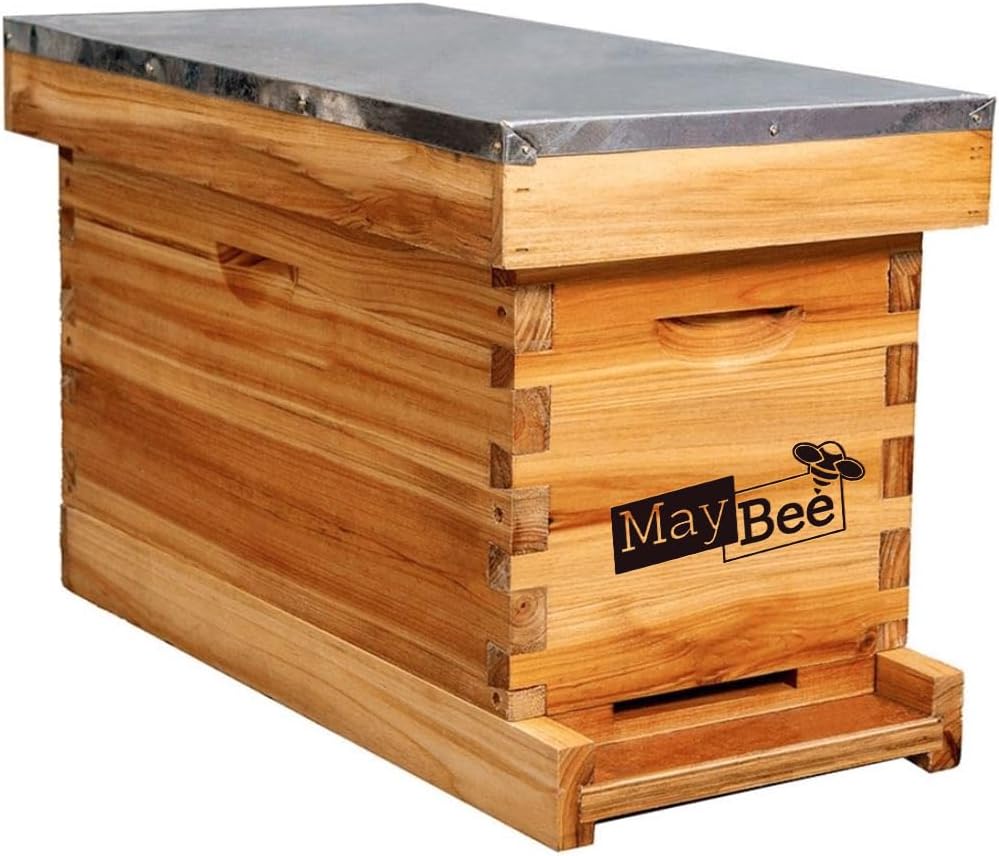
A nuc box is not a permanent hive—it's how most beginners start their first colony. Buy a nuc in spring, let it establish for a few weeks, then move it into your chosen 8-frame or 10-frame hive. It's the practical entry point, not a size decision.
Capacity Differences
A 10-frame hive holds roughly 25% more bees and brood space than an 8-frame hive. That extra capacity means a stronger colony can grow larger, which translates to more foraging power and potentially more honey production. If your goal is maximum honey harvest, 10-frame wins.
An 8-frame hive still produces plenty of honey for a hobbyist beekeeper. You’re not running a commercial operation; you’re keeping bees. The difference in surplus honey between the two sizes is rarely the deciding factor for beginners.
Nuc boxes hold 5 frames and are designed to jump-start a colony. You buy a nuc with a queen, brood, and food, then transfer it into a full-size hive (either 8-frame or 10-frame) after 2–3 weeks. A nuc is not a permanent home; it’s a starting point. Some beekeepers use them to split colonies or catch swarms, but beginners usually buy them to start their first hive.
Equipment Compatibility
This matters more than most beginners realize. If you buy an 8-frame hive, you need 8-frame frames, 8-frame boxes, and 8-frame feeders. If you switch to 10-frame later, you can’t mix and match. Your equipment collection becomes incompatible.
10-frame equipment is more widely available and cheaper per unit because more beekeepers use it. Local beekeeping clubs often have lending libraries stocked with 10-frame gear. If you need to borrow or buy used equipment, 10-frame is easier to find.
8-frame equipment is becoming more common but is still less universal. You’ll find it at most online retailers, but local suppliers might stock less of it. This shouldn’t stop you from choosing 8-frame if weight is your main concern, but it’s worth knowing.
Nuc boxes are not compatible with either size—they’re a separate category. Once your nuc colony is established, you’ll transfer the frames into a full-size hive and retire the nuc box (or use it for splits later).
Side-by-Side Comparison Table
| Feature | 8-Frame | 10-Frame | Nuc Box |
|---|---|---|---|
| Weight (full deep box) | ~60 lbs | ~90 lbs | ~20 lbs |
| Brood capacity | Smaller | Larger | Tiny (starter only) |
| Equipment availability | Good | Excellent | Good |
| Cost per box | Slightly higher | Slightly lower | Varies |
| Best for | Solo beekeepers, physical limits | Maximum production, groups | Starting a colony |
Recommended Products
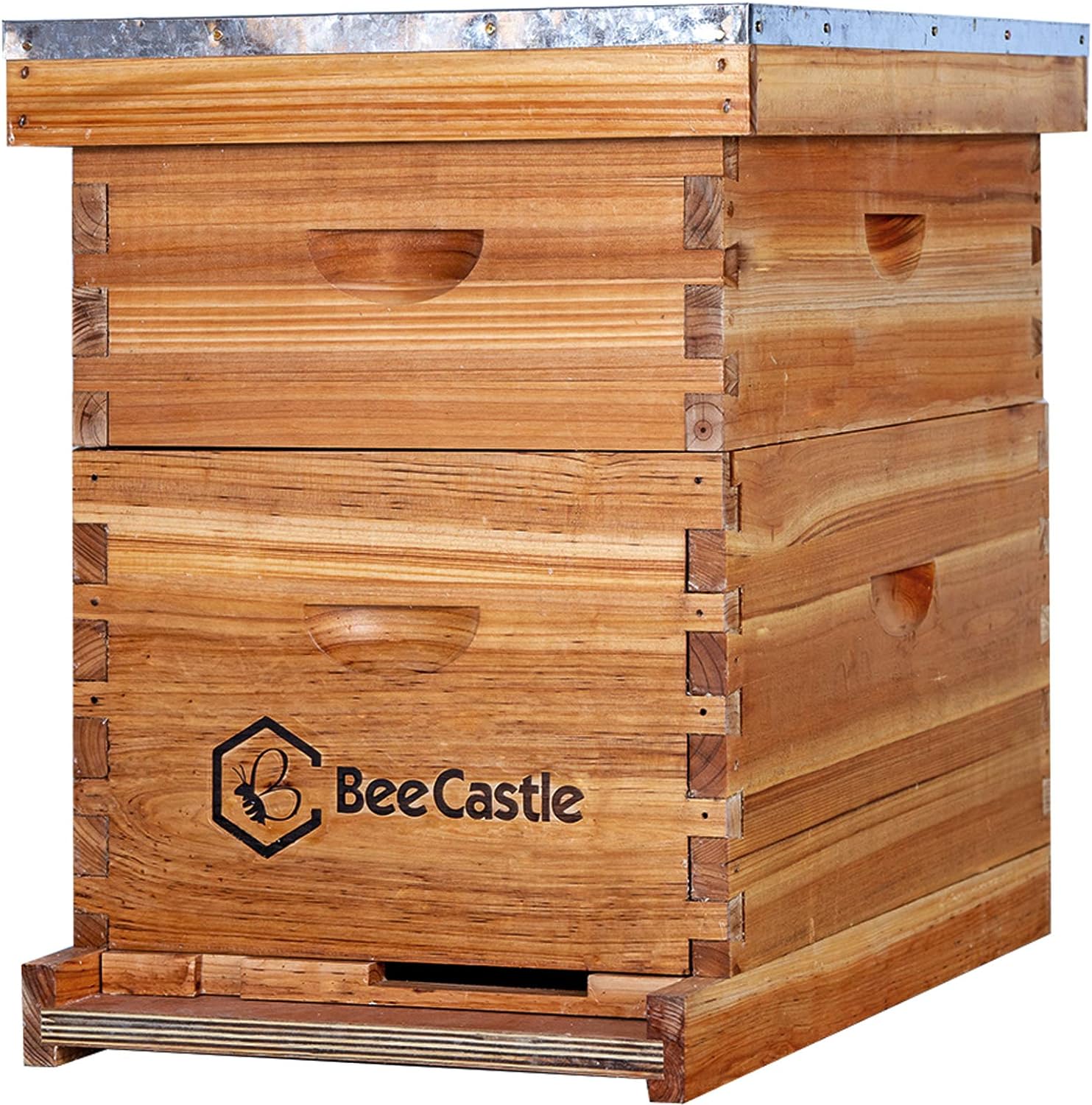
An 8-frame langstroth beehive is the right choice if you're working alone, have any physical limitations, or want to keep beekeeping manageable. You'll still get honey, still keep healthy bees, and you'll actually enjoy opening your hive instead of dreading the weight.
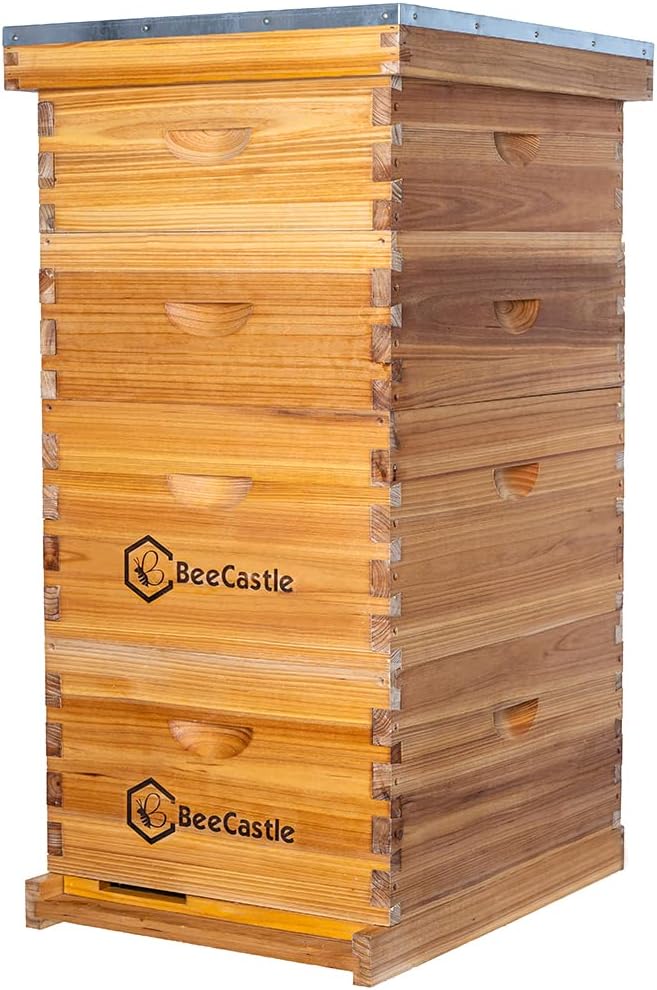
A 10-frame langstroth beehive makes sense if you're young, have help, or you're serious about honey production. It's the most common size, equipment is easy to find, and your colony will have room to grow strong. The extra 30 pounds per box is worth it if you can handle it.