How to Attract Native Pollinators
Native pollinators—bumblebees, mason bees, butterflies, and beetles—do most of the pollination work in wild and garden ecosystems. If you keep honeybees, supporting native pollinators doesn’t compete with them; it strengthens your whole garden’s health and productivity. This guide covers practical steps to make your yard welcoming to these insects, whether or not you keep honeybees.
Plant Choices That Favor Native Species
Native pollinators evolved alongside local plants and depend on them for food and timing cues. The single best action is to plant native flowering plants suited to your region—these flower at the right times and produce the nectar and pollen types local bees recognize.
Start by identifying your USDA hardiness zone and native plant community (woodland edge, prairie, wetland, or desert). Search “native plants [your state]” or contact your local cooperative extension office for a list. Aim for a mix of early spring bloomers (bloodroot, trillium, native violets), mid-season flowers (black-eyed Susan, bee balm, coneflower), and late bloomers (asters, goldenrod, blazing star).
Bloom succession matters: you want flowers open from March through November, not all at once. Plant in clusters of the same species—native bees find flowers more efficiently when they’re grouped. Avoid double-flowered cultivars, which have reduced or inaccessible pollen and nectar, and highly hybridized ornamentals; stick to straight species or simple cultivars.
If you’re starting from bare ground, bee-friendly pollinator plant seeds offer a cost-effective way to establish native species. Direct-sow in fall or early spring depending on your region. You can also buy native plant plugs or saplings from local nurseries, though they cost more upfront.
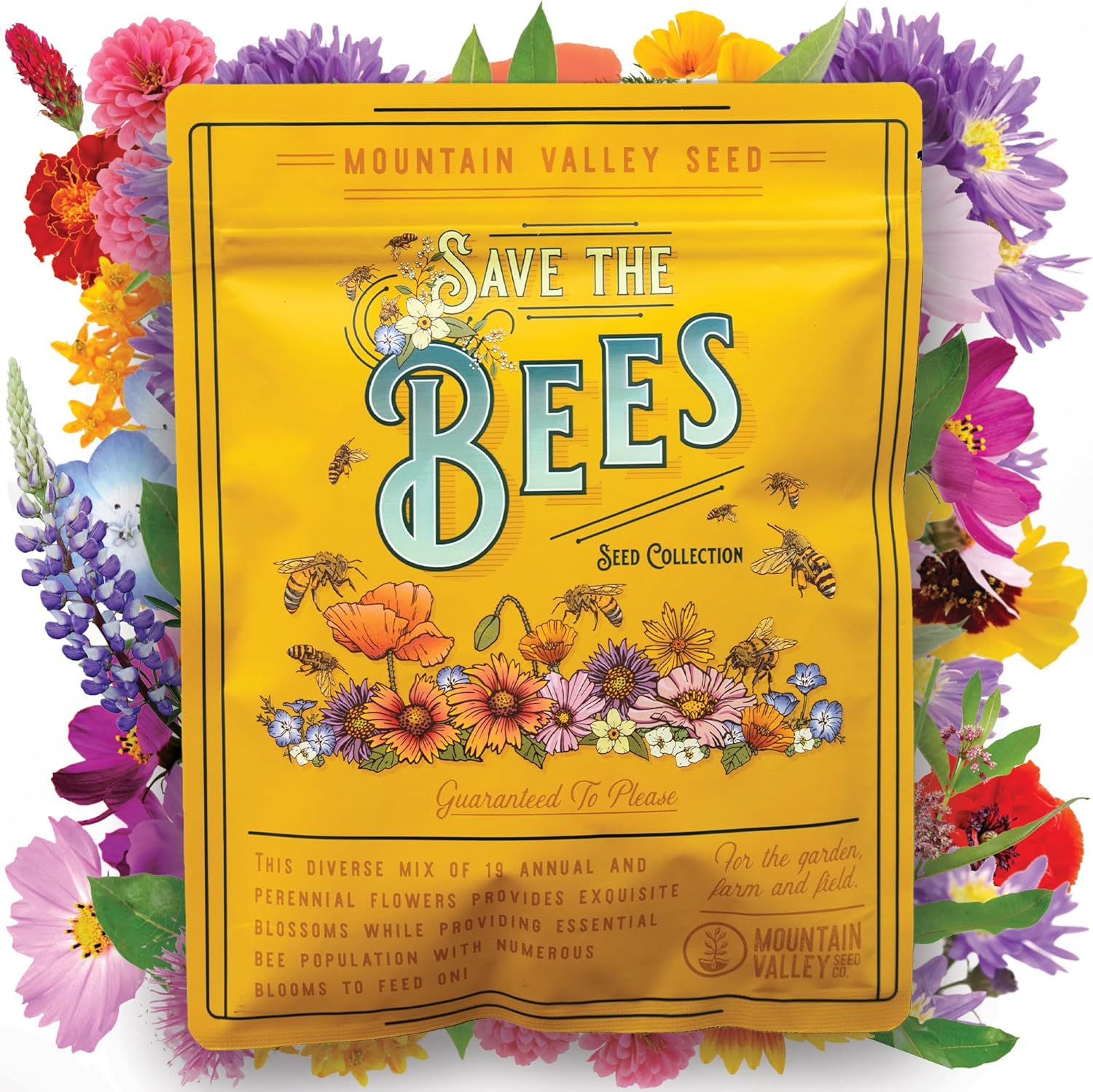
Bee-friendly pollinator plant seeds are collections of native wildflower and plant seeds selected to bloom across seasons and support diverse pollinators. They're affordable, easy to direct-sow, and let you establish large planted areas quickly without buying individual plugs.
Providing Nesting Habitat
Most native bees don’t live in hives. Bumblebees nest in abandoned rodent burrows or dense grass. Carpenter bees and mason bees tunnel into dead wood or use hollow stems. Sweat bees dig small holes in bare, undisturbed soil.
Leave some areas of your yard “messy”: dead wood piles, unmulched patches of bare soil, and tall grass or brush. A single dead tree or large branch left on the ground provides nesting sites for cavity-nesting bees. If you’re concerned about appearance, tuck these in a back corner.
You can build or buy simple nesting structures: bundles of hollow reeds or drilled wood blocks mounted on a south-facing wall. These work well for mason bees and some carpenter bees. Drill 5/16-inch holes, 4–6 inches deep, in untreated wood blocks; mount them 3–6 feet high. Clean out old nesting material each fall to prevent disease buildup.
Avoid tilling or over-mulching bare soil patches. Many native bees need exposed, compacted ground to dig burrows. Even a 2-by-2-foot patch left undisturbed helps.
Reducing Pesticide Use
Pesticides kill native pollinators outright or poison their food sources. Herbicides eliminate wildflowers bees need. Even “bee-safe” insecticides applied at the wrong time harm developing larvae.
Stop spraying altogether if you can. Most garden pests are controlled by natural predators—ladybugs, parasitic wasps, spiders—if you let them work. Handpick large pests like Japanese beetles or caterpillars. Use row covers to protect vulnerable seedlings.
If you must spray, use the least toxic option (insecticidal soap, neem oil) only in early morning or evening when bees aren’t foraging. Never spray flowering plants. Skip weedkillers; instead, hand-pull or mulch. Avoid broad-spectrum herbicides that kill native wildflowers.
Balancing Honeybees and Native Bees in One Yard
Honeybees and native bees can coexist, but in small yards with limited floral resources, honeybees can compete with native bees for nectar and pollen. The more hives you keep in a confined area, the greater the potential pressure on shared forage.
If you have honeybees, plant extra flowers—more than you’d need for native bees alone. Increase plant diversity and bloom time. A native pollinator seed mix can quickly fill gaps and provide abundant forage for both honeybees and natives.
Position hives away from native bee nesting sites. Don’t crowd multiple hives into a small space. If you notice few native bees visiting flowers despite good plantings, reducing hive numbers or expanding your planting area may help.
A native pollinator seed mix is similar to bee-friendly pollinator plant seeds but typically curated for a specific region or habitat type, ensuring the species are adapted to your local climate and soil. This regional specificity can improve germination rates and long-term establishment compared to generic mixes.