How to Overwinter a Nuc
Overwintering a 5 frame nuc box is harder than overwintering a full-size colony because the smaller cluster of bees generates less heat and depletes its food stores faster. If you’re a beginner, you should know upfront: combining your nuc with a stronger colony in autumn is often the smarter choice than trying to keep it alive through winter solo. That said, if you have the space, attention, and willingness to monitor closely, a nuc can survive—it just requires more hands-on management.
Why Nucs Are Riskier to Overwinter
A nuc box holds only five frames of bees instead of ten, which means a smaller cluster. Bees survive winter by huddling together and shivering to generate warmth; fewer bees means less heat production. In a harsh winter, a small cluster can starve even if there’s food in the box, because the bees can’t move far enough to reach stores on frames they’ve abandoned as they contract into a tighter ball.
Nucs also have less brood and fewer adult bees to replace winter losses from disease or starvation. If your nuc goes into winter already weakened—say, from a poor nectar flow or late mite treatment—it may simply run out of time to build up reserves. Full-size colonies have a buffer; nucs do not. This is why many experienced beekeepers combine nucs in fall rather than gamble on their survival.
That said, small colonies do overwinter successfully in mild climates and with good preparation. The key is being realistic about your local winters and willing to check on the nuc every few weeks.
Insulation Adjustments for Smaller Colonies
Your first step is to reduce the internal space the bees must heat. A 5 frame nuc box is already compact, but you should still remove any empty frames or follower boards (solid wooden dividers used to close off unused space inside the hive) that create dead air pockets the cluster can’t warm. Keep only frames with bees, brood, and stores; push them together snugly.
Next, insulate the outside. Wrap the nuc box in tar paper, rigid foam board, or commercial nuc box insulation cover to trap heat. Leave the entrance open—bees need ventilation to prevent moisture buildup inside—but reduce it to a small opening (roughly the size of a pencil) to minimize heat loss and deter robber bees. Do not seal the top; moisture must escape upward or it will condense and freeze, killing bees.
In very cold climates, some beekeepers add an upper entrance (a small hole drilled near the top of one side) to let moisture escape if the lower entrance gets blocked by ice. This is optional for beginners but worth considering if you live where winter temperatures regularly drop below 0°F.
Check your setup in late autumn before hard freezes arrive. If the nuc feels drafty or you see gaps, seal them. Insulation should be snug but not airtight.
Feeding Considerations for a Nuc
A nuc needs roughly 10–15 pounds of honey or sugar stores to survive a typical winter, depending on your climate. Before cold weather locks in, inspect the frames and estimate what’s there. Capped honey and pollen are ideal; open nectar will crystallize and become inaccessible as temperatures drop.
If your nuc is short on stores, feed it now—early autumn, not late winter. Use a 2:1 sugar syrup (two parts sugar to one part water by weight) in a top feeder or entrance feeder. Stop feeding once nighttime temperatures drop below 50°F; bees won’t fly to collect it, and syrup left in the hive will ferment or freeze.
Fondant and dry sugar are best reserved for late-winter or early-spring emergency use, when bees are actively brood-rearing and can consume them in direct contact with the cluster. In autumn, your goal is to build up liquid stores that bees can cap and cure before cold sets in, which is why syrup feeding earlier in the season is more effective for that purpose.
Once winter arrives, do not open the hive to check on food. Every inspection in freezing weather breaks the cluster and costs bees their lives. Instead, weigh the nuc box in late autumn—it should feel noticeably heavy—then trust your preparation. In early spring, if you suspect starvation, you can carefully place a frame of honey from another hive next to the cluster, but this is an advanced move and risky for beginners.
When to Combine a Nuc Instead of Overwintering It
Honestly, this is the right call for most beginners. If your nuc is light on stores, has a small cluster, or you live in a region with long, harsh winters, combining it with a full-size colony in September or October is simpler and more reliable than overwintering it solo.
To combine, place the nuc box directly on top of a strong full-size hive (brood box down, nuc on top, with a sheet of newspaper between them). The newspaper creates a gentle barrier; bees will chew through it over a few days and merge peacefully. The larger colony’s warmth and food stores will sustain both groups. By spring, you’ll have one strong hive instead of a small one that might not have made it.
This approach also lets you reuse the 5 frame nuc box next spring to catch a swarm or split off a new nuc from your survivor. You’re not “wasting” the nuc; you’re using it as a tool, which is what it is.
Reserve overwintering a nuc for situations where you have a genuinely strong nuc with good stores, mild winters, and the time to monitor it. Otherwise, combine.
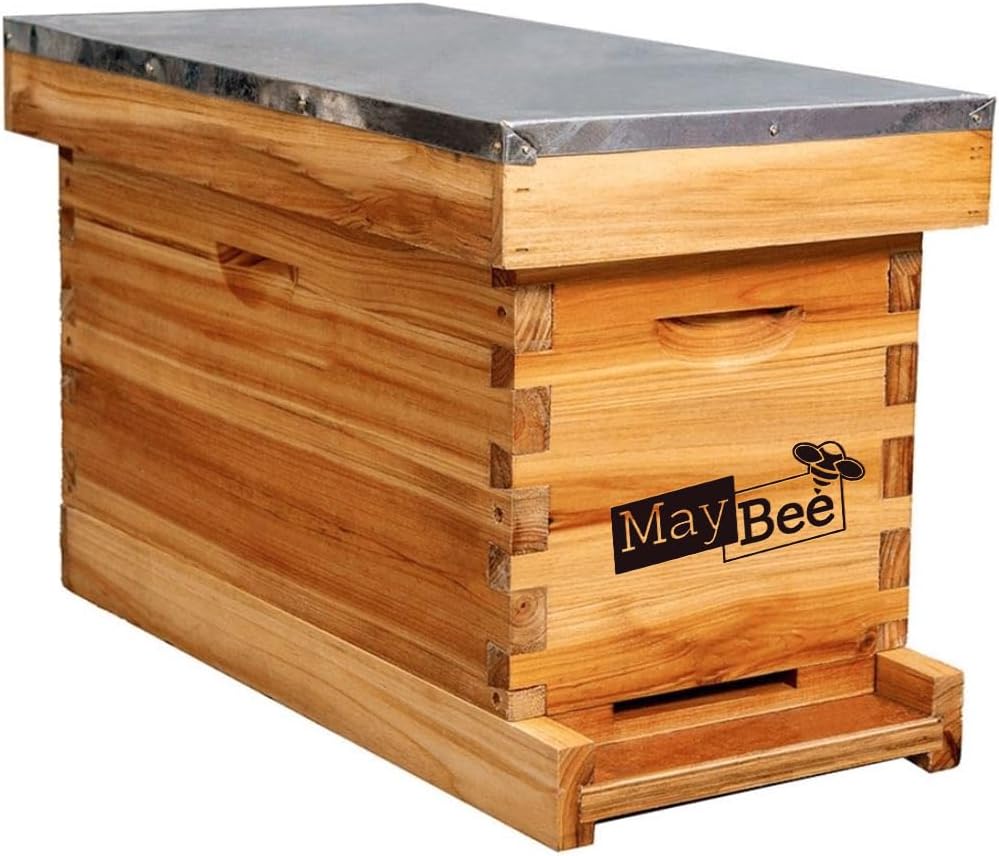
A 5 frame nuc box is the standard container for a small colony and works well for overwintering if you've prepared it properly; make sure it has a solid bottom board and a removable roof so you can add insulation and ventilation without major modification.