Best Bee Brushes
A bee brush is a soft-bristled tool used to gently sweep bees off frames and equipment during hive inspections. Honestly, a beginner doesn’t strictly need one — most new beekeepers manage fine without it. But if you find yourself working slowly or stressing bees during inspections, a brush becomes genuinely useful and costs only a few dollars.
Best Overall Bee Brush
The standard bee brush is a simple tool: a wooden or plastic handle with natural or synthetic bristles arranged in a flat or slightly curved head. Look for one with bristles soft enough that bees walk away rather than get crushed or agitated. Natural horsehair bristles tend to work best because they’re gentler on bees. A good brush should have bristles long enough to reach into frame crevices but short enough to give you control — roughly 1 to 1.5 inches is the sweet spot. The handle should be comfortable to grip even when wearing gloves, and the head shouldn’t be so wide that you can’t maneuver it in tight spaces between frames. Most quality bee brushes cost between $5 and $15 and last several seasons if rinsed after use and stored dry.
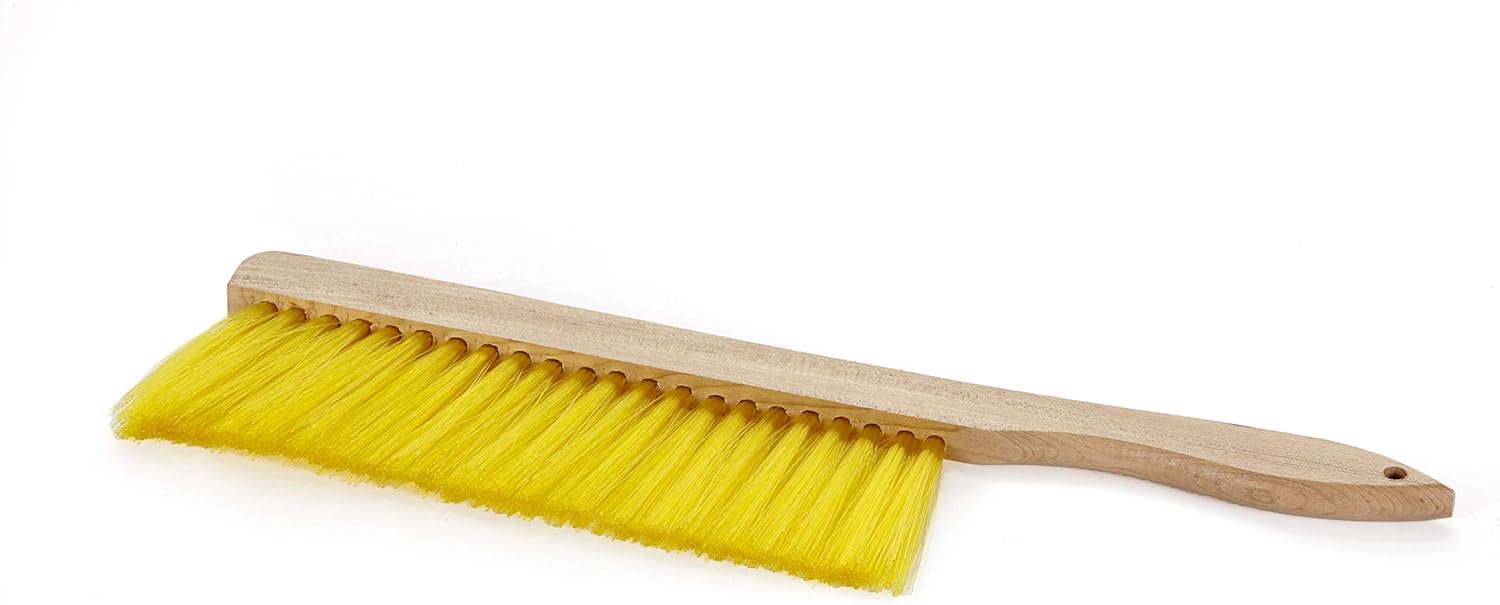
A standard bee brush with natural horsehair bristles and a wooden handle is the reliable choice for most beekeepers. These typically cost $7 to $12, work gently on bees, and last for years with basic care — just rinse after use and let dry completely before storing.
Best Budget Option
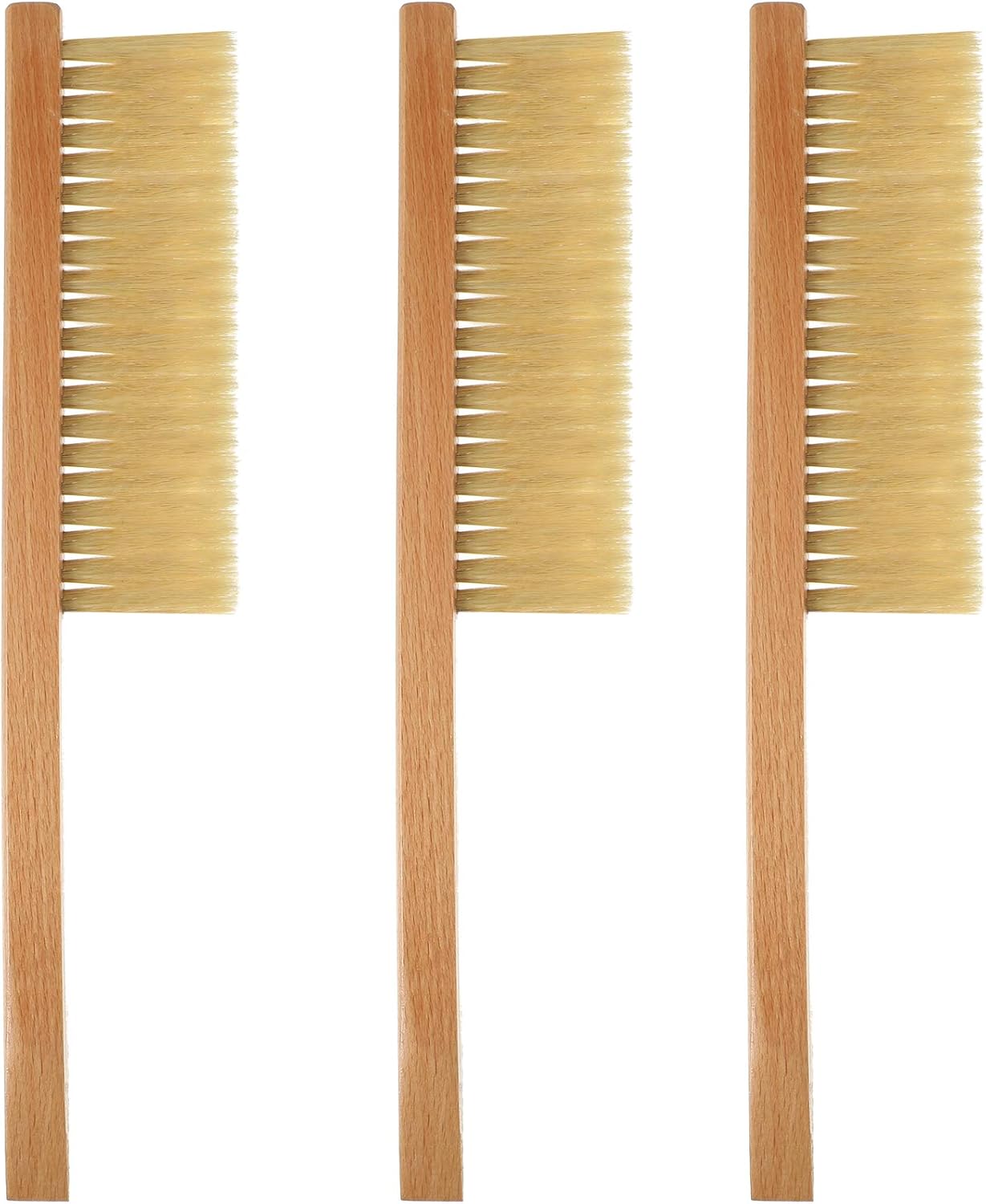
A plastic-bristle brush costs less than natural-hair versions and works fine for most beginners, though the bristles can be slightly rougher on the bees than horsehair.
You don’t need to spend much here. Any basic bee brush with natural bristles under $8 will do the job adequately for a hobbyist. The cheapest options often have plastic handles and synthetic bristles, which work but are slightly less gentle on bees. If you’re on a tight budget, a basic brush is still a worthwhile purchase — it’s cheaper than a second hive and genuinely reduces inspection time. Avoid brushes marketed as “premium” unless they specify horsehair bristles or have excellent reviews mentioning reduced bee stress. At this price point, you’re mostly paying for the bristle quality, not fancy features. A $6 brush with good bristles outperforms a $12 brush with poor ones.
When to Use a Brush vs. a Shake
A bee brush is best when you need to clear bees from a specific area — like the top bars of frames you’re about to remove, or from a frame you want to photograph or inspect closely. It’s also useful when bees are clustered densely and you can’t shake them off without dropping the frame. The alternative is the shake method: you simply give the frame a quick, firm downward flick so bees fall back into the hive. Shaking is faster and many experienced beekeepers prefer it because it mimics how bees naturally dislodge from frames. Use a brush when you’re working slowly or when bees seem particularly defensive — the gentler approach can reduce stinging. Shaking works better when you’re moving quickly and bees are calm. Many beekeepers use both methods depending on the situation. For beginners, learning to shake first is often easier, but having a brush on hand prevents frustration if shaking doesn’t clear enough bees.
How Brush Bristles Affect Bee Stress
Soft, natural bristles cause less stress than stiff synthetic ones because they don’t crush bees or create the crackling sensation that alarms them. The way you brush matters too: slow, gentle strokes in one direction are better than quick back-and-forth motions. A brush with bristles that are too stiff or too densely packed will crush some bees no matter how gently you work, which increases defensive behavior. The goal is to let bees walk onto the brush and back into the hive naturally, not to force them. Quality bristles make this possible; cheap, harsh bristles make it nearly impossible.