Best Bee Feeders for New Hives
A new hive needs food during its first weeks and months, especially if you install it in spring before flowers bloom or in fall when nectar dries up. You don’t always need a bee feeder — if you have good forage nearby, bees may feed themselves — but most new beekeepers find one essential for getting colonies through the critical early period. This guide covers the main feeder types, when to use them, and how to pick one that actually works.
Best Overall Feeder for New Colonies
The top-bar or hive-top feeder is the most reliable choice for beginners. It sits directly on top of the brood box, under the outer cover, and holds syrup in a trough with a wooden bar or float that bees can land on without drowning. You simply pour syrup in, close it up, and refill every few days. The main advantage is simplicity: no extra equipment to assemble, no robbing issues if you’re careful, and you can see at a glance how much syrup remains. It also keeps syrup warm in cool weather better than external feeders.
The downside is that you need to open the hive to refill it, which disturbs the colony and lets heat escape. In very cold climates, this matters. Still, for a beginner in most regions, a hive-top feeder strikes the right balance between effectiveness and ease of use. Most standard models hold 1–2 gallons, meaning weekly refills are usually sufficient. It costs $15–$30 and lasts for years.
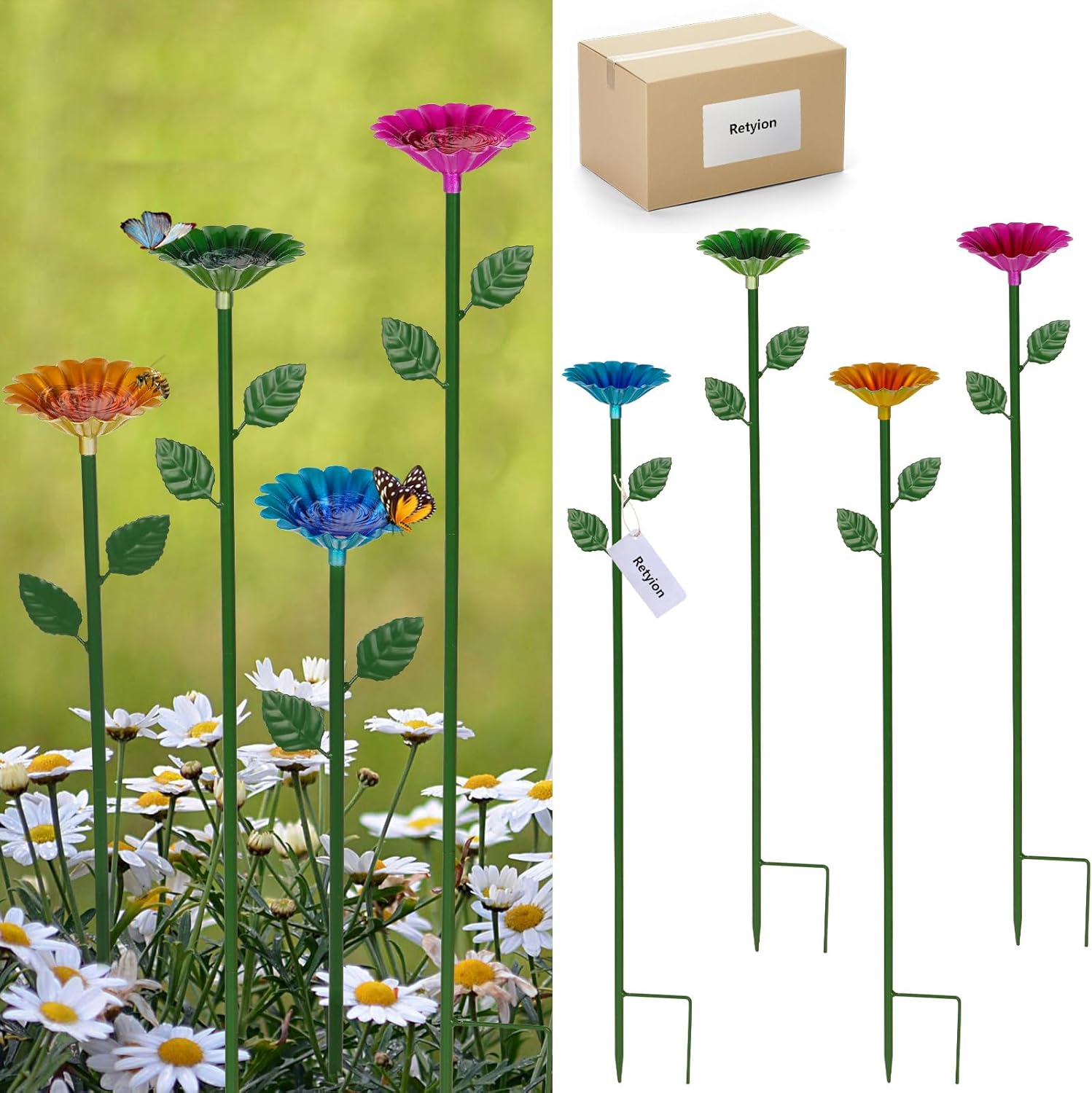
A standard hive-top bee feeder with a wooden float is the most practical starting point for any new beekeeper. It's durable, affordable, and requires almost no learning curve—fill it, place it on the hive, and refill every few days as needed. If you're buying only one feeder, this is the one to get.
Best Budget Feeder
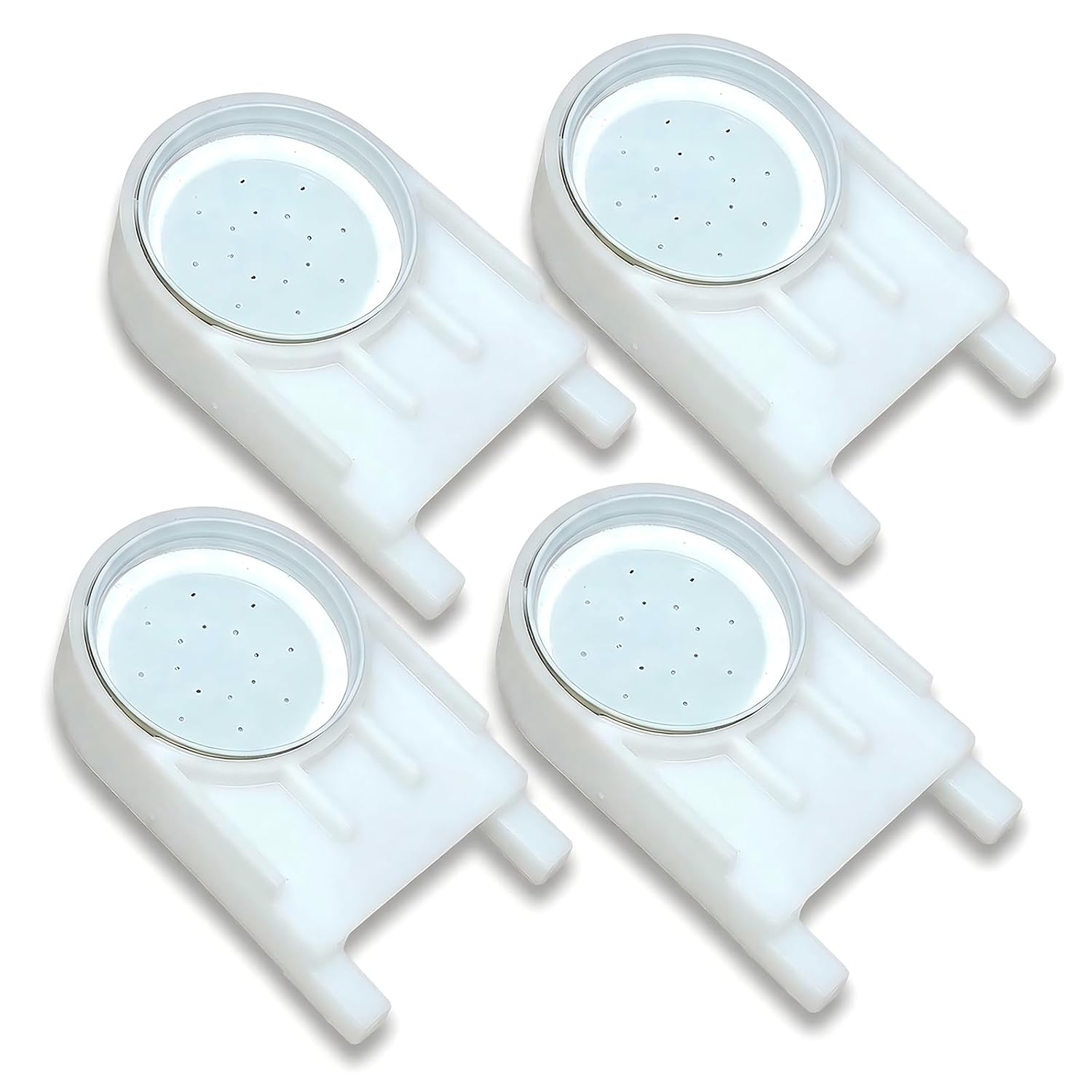
This budget feeder covers the basics for a new colony without the extra cost of premium materials, and it’s easy to refill during the frequent early feedings a new hive needs.
If you want to spend less and don’t mind a bit more work, a frame feeder is hard to beat. It sits inside the hive like a regular frame, slides in next to the brood nest, and holds 1–2 gallons of syrup depending on the model. You fill it, slide it in, and leave it alone until it’s empty. Cost is typically $8–$15 per feeder.
The trade-off is that a frame feeder takes up space in a small new hive, leaving less room for brood or stores. You also have to handle it every time you inspect the colony, and bees can sometimes drown in it if the float isn’t working. It works fine, but it’s fiddlier than a hive-top feeder. Buy one if you already have a hive-top feeder and want a backup, or if you’re keeping costs down and don’t mind the extra management.
Feeder Capacity for a New Package
A package of bees (typically 3 pounds) needs roughly 1 to 2 quarts of syrup per week in early spring, depending on weather and available forage. With a hive-top feeder holding 1–2 gallons, you’ll typically refill it weekly. A frame feeder’s capacity varies by model, so check before you buy.
Don’t overthink this. A new hive will consume whatever you give it if there’s no nectar flow, so plan to feed regularly rather than trying to fill a massive reservoir. Overfeeding is rare with bees; underfeeding is the real risk. If you’re away for two weeks, ask a neighbor to top off the feeder or use two feeders so the colony doesn’t run dry.
How Long to Keep Feeding a New Hive
Feed through the first spring and summer until the hive has built up enough stores to survive on its own. For a spring package, this usually means feeding until mid-to-late June, or until the hive is strong enough that bees are capping brood and building comb rapidly without your help. Stop too early and a weak colony may starve in a dearth.
In fall, feed a new hive aggressively starting in August so it goes into winter with 60–80 pounds of honey. This is non-negotiable in cold climates. In mild regions, you may need less, but err on the side of overfeeding. A full feeder in September and October is normal and necessary. Remove the feeder once the hive stops taking syrup or when your local winter conditions make late feeding counterproductive — whichever comes first — so you don’t encourage robbing or late brood-rearing.