How to Prevent Cross-Combing
Cross-combing is when bees build wax comb in the gaps between frames instead of neatly on each frame where you expect it. It happens because bees follow their instinct to fill empty space, and it makes inspections harder and can crush bees when you pull frames apart. The good news: it’s mostly preventable with the right setup, and it’s not a sign you’re doing something wrong.
Why Cross-Combing Happens
Bees build comb wherever they have space. In a natural hive cavity, this isn’t a problem—they fill the whole thing. But in a managed hive with removable frames, gaps become traps. The standard Langstroth frame spacing (the most common hive type) leaves about 3/8 inch between frames. Bees see this as a gap to fill and will draw comb across it, especially if they’re building fast or if frames aren’t positioned tightly enough.
New beekeepers often don’t realize how tight the spacing needs to be. Even 1/2 inch of wiggle room is enough for bees to start building. Bees also cross-comb when foundation sheets for beekeeping are missing or when frames sit unevenly. If one frame tilts slightly, the gap widens and bees respond. Temperature and humidity can shift frame spacing too—wood swells and shrinks with moisture changes. The busier the hive (more bees, more nectar flow), the more aggressively they’ll fill gaps.
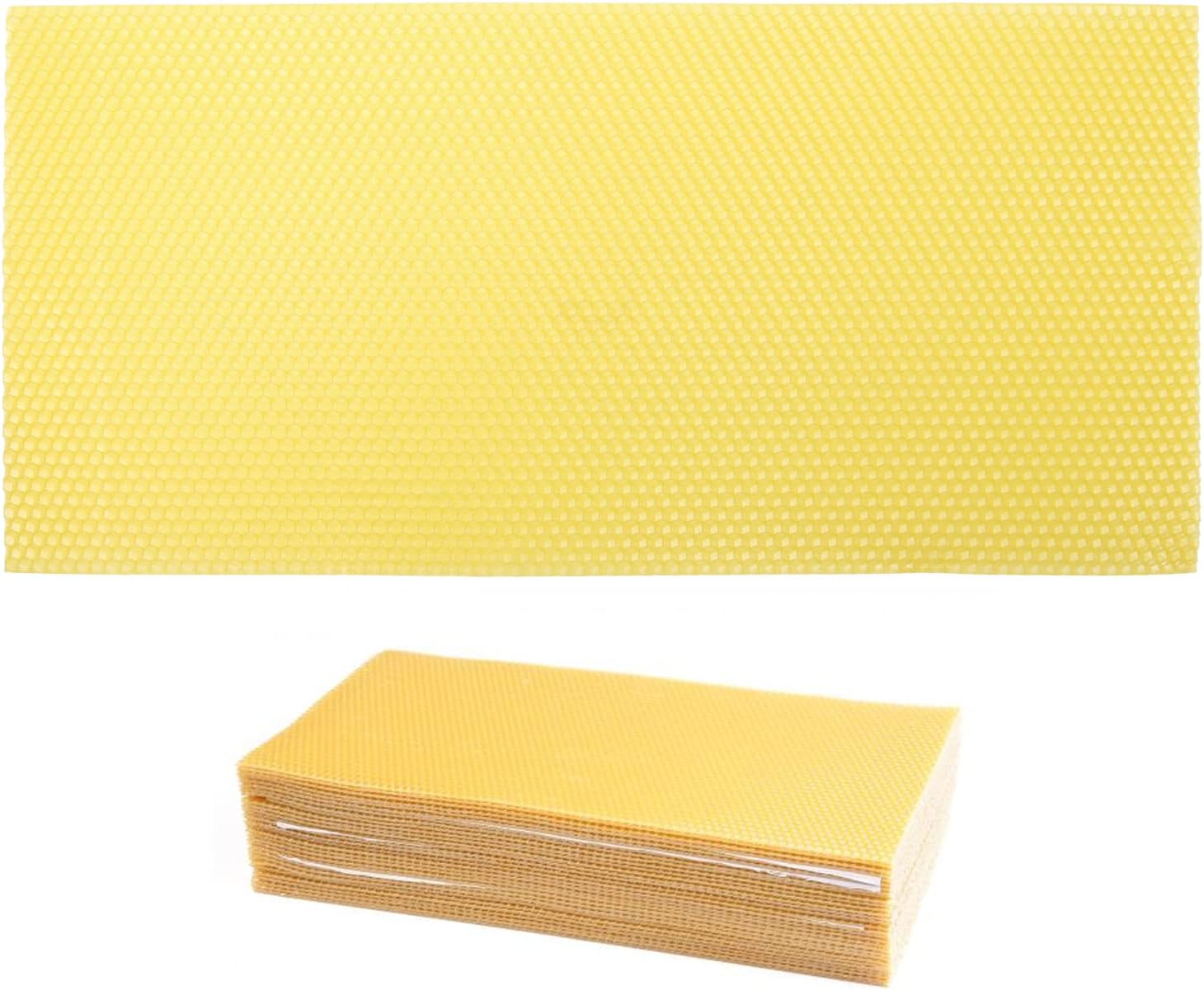
Foundation sheets for beekeeping are the simplest way to guide comb building and prevent cross-combing from the start. They come in standard sizes for Langstroth frames and cost just a few dollars per sheet, making them an easy investment for any beginner hive.
Foundation Choices That Reduce It
Using foundation sheets for beekeeping helps a lot. Foundation gives bees a clear template for where to build, and they’re much less likely to deviate from it. Plastic foundation works particularly well for this because it’s rigid and maintains consistent spacing better than bare wood frames.
However, not all beekeepers use foundation. Some run foundationless frames, which is fine—it just requires tighter frame spacing and more frequent checks. If you’re a beginner, foundation sheets for beekeeping are worth the small cost. They reduce cross-combing significantly and make your first season less frustrating.
Waxed plastic foundation is a middle ground: it’s plastic-based but coated with beeswax so bees accept it more readily than bare plastic. It’s sturdier than pure wax foundation and lasts longer. For preventing cross-combing, it works as well as any other foundation—the key is having something there to guide the bees.
Don’t overthink foundation type for your first hive. Any foundation is better than none if your goal is to prevent cross-combing. Bare frames look natural, but they demand better management.
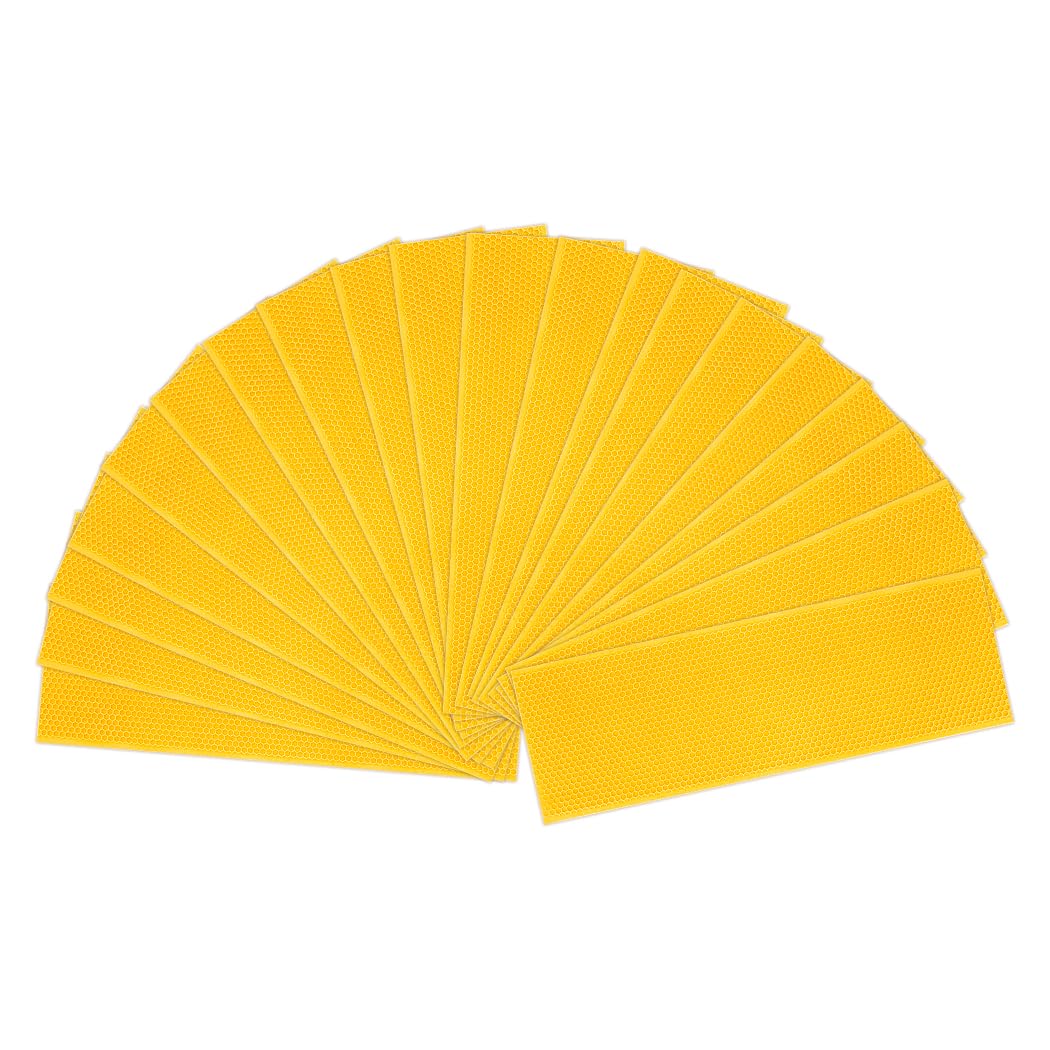
Waxed plastic foundation combines the durability of plastic with a beeswax coating that bees readily accept, offering reliable comb guidance and longer lifespan than pure wax while still being affordable for new beekeepers.
Frame Spacing Best Practices
The Langstroth standard is 1½ inches from center to center of adjacent frames. This creates the 3/8-inch gap that’s tight enough to discourage cross-combing but loose enough for bees to move through. Use a frame spacing tool (a simple wooden or plastic spacer) when you assemble your hive to get this right. Don’t eyeball it.
Check spacing every few inspections. Frames shift over time, especially as the hive settles. If you notice gaps widening, gently push frames back together. Do this slowly so you don’t crush bees. Some beekeepers use a frame spacer tool during the season too, but most just do it by hand carefully.
Keep your hive level. A tilted hive throws off spacing and makes bees more likely to cross-comb. Use a small level when you set up. This matters more than most beginners think.
In the brood box (where the queen lays eggs), spacing matters most because bees are building comb fastest there. In honey supers (boxes you add for surplus honey), cross-combing is less common because bees are focused on filling cells rather than building new comb, but tight spacing still helps.
Fixing Existing Cross-Comb Safely
If you open your hive and find cross-comb already built, don’t panic. Gently scrape it away with a hive tool. Work slowly and deliberately. Bees will rebuild it correctly if you’ve fixed the spacing issue.
If cross-comb has brood in it (eggs, larvae, or capped pupae), leave it alone for now. Removing it kills the developing bees. Let that frame stay in place, and on your next inspection a week later, the brood will be gone and you can remove the comb then.
Never rush frame removal if cross-comb is present. Pulling frames too fast crushes bees and can injure the queen. Loosen the cross-comb first, wait a moment for bees to move away, then separate frames slowly.
Once you’ve cleaned it up, tighten your frame spacing and check again in a week. Bees usually won’t rebuild cross-comb if the gap is truly tight and foundation is present.