Best Containers for Selling Honey
Selling honey starts with the right container—one that looks professional, protects your product, and fits your budget. Most beginners don’t need fancy packaging right away; a clean, honest container that keeps honey fresh is enough to start. This guide covers what actually works for small-scale beekeepers selling locally or online.
Best Overall Container Style
Glass jars with a tight-sealing lid are the industry standard for a reason. They’re inert (honey won’t react with glass), they look professional on a shelf, and customers trust them. A simple glass jar with a gold or white metal lid gives off quality without being pretentious. Avoid decorative or oddly shaped jars—they’re harder to fill, stack, and store. Straight-sided jars work best because they maximize shelf space and are easier to label neatly.
For a beginner, 16 oz is the sweet spot: big enough to feel like a real purchase, small enough that customers don’t hesitate at the price. If you’re selling at farmers markets or online, glass also photographs well, which matters for social media or listing photos. The downside is weight and breakage risk during shipping, but for local sales, it’s unbeatable.
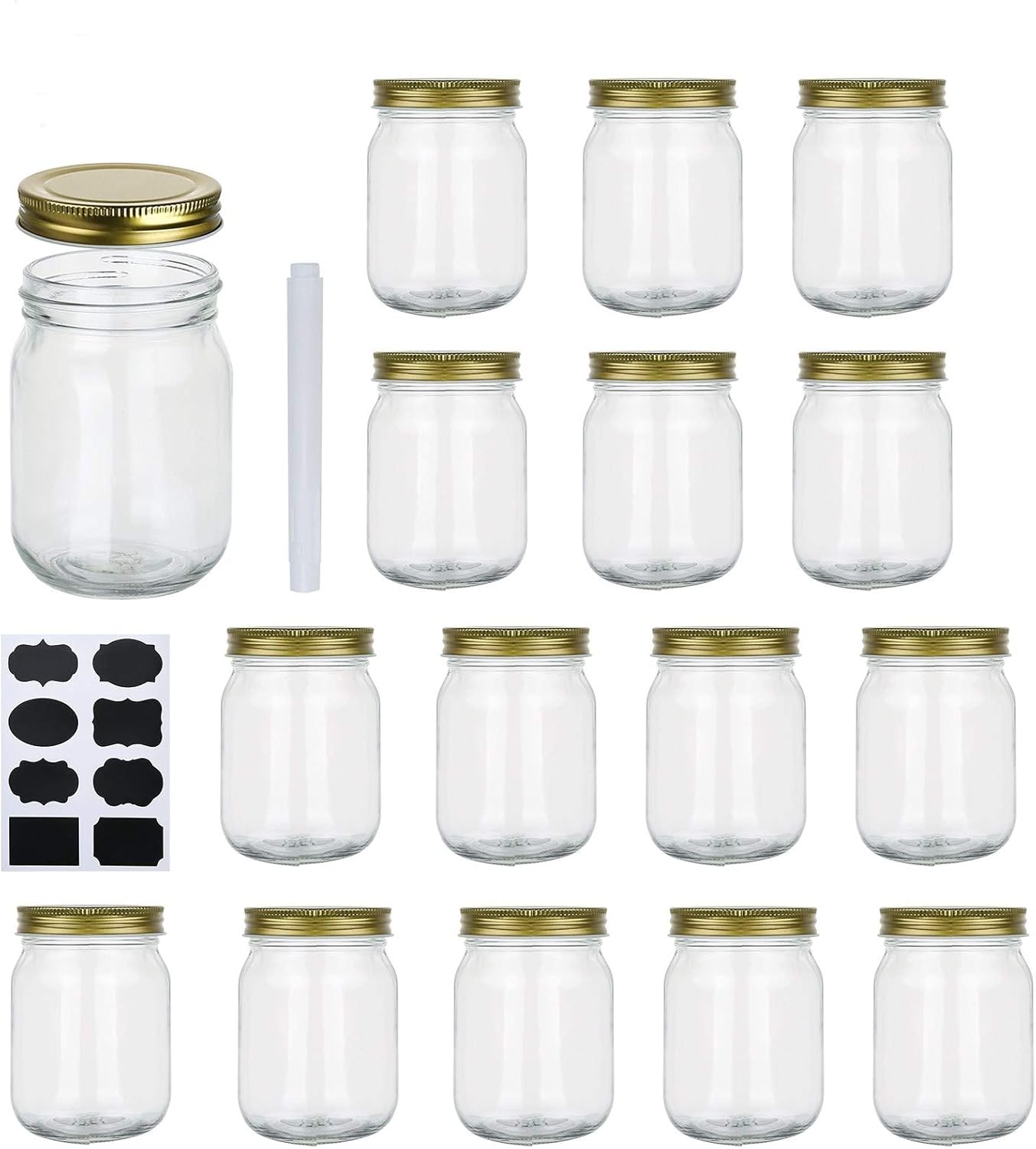
Glass honey jars with lid 16 oz strike the balance most beginners need—professional appearance, customer trust, and a size that sells consistently at farmers markets and online. Expect to pay 60 cents to a dollar per jar with lid included, and they're worth it if you're serious about building a brand.
Best Budget Option
Plastic squeeze bottles cut your per-unit cost roughly in half compared to glass. They’re lightweight, nearly unbreakable, and convenient for customers who want to drizzle honey directly onto food. The trade-off is perception: plastic reads as less premium, even if the honey inside is excellent. Many beginners use plastic bottles for bulk sales or gift sets while reserving glass for their “showcase” product.
Look for food-grade plastic (usually PETE or HDPE) that won’t leach chemicals into honey. Squeeze bottles typically come in 12 oz or 16 oz sizes. They’re practical if you’re selling at volume or shipping frequently, since you’ll replace fewer broken containers. Just be honest in your listing if you use plastic—customers appreciate transparency, and some actually prefer the convenience.
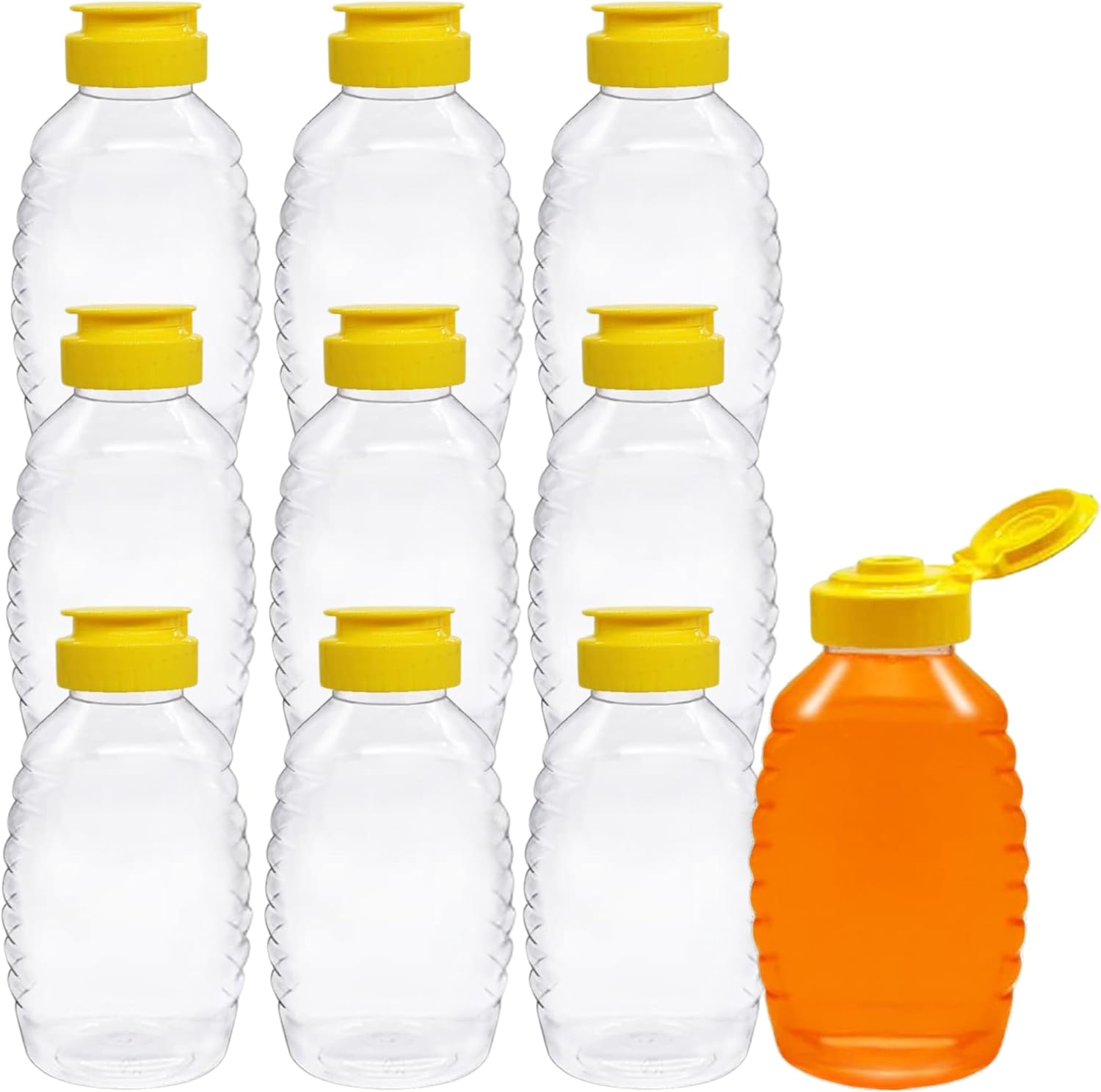
Plastic honey squeeze bottles are an economical entry point if you're new to selling and want to test the market without spending much on packaging. They typically cost 30–50 cents per bottle and come in 16 oz or 12 oz sizes; they're durable enough for local sales and lightweight enough for shipping.
Glass vs. Plastic Considerations
Glass wins on longevity and perception. Customers keep glass jars and reuse them; they throw away plastic bottles. If someone loves your honey, a beautiful glass jar becomes a keepsake that might remind them to buy again. Glass also preserves honey’s appearance—the color and clarity shine through clearly.
Plastic wins on practicality. It’s cheaper to buy, lighter to ship, and safer if your customer is clumsy or has young kids. Plastic squeeze bottles are genuinely useful for certain customers, especially those who bake or cook regularly. Neither is “wrong”—it depends on your market. If you’re selling at upscale farmers markets or positioning as a premium product, glass is worth the cost. If you’re moving volume or shipping long distances, plastic makes sense.
One hybrid option: sell your best honey in glass, and offer a plastic squeeze bottle version at a lower price point. This lets customers choose what fits their budget and lifestyle.
Container Sizes That Sell Best
16 oz is the most popular size for a reason—it’s substantial enough to feel like a gift or a worthwhile purchase, but not so large that it intimidates a first-time buyer. At farmers markets, it’s the size people reach for without overthinking.
12 oz works well if you want a slightly lower price point or need to keep costs down. It’s still a respectable serving size and moves quickly.
8 oz is good for sampler packs or gift sets where you’re offering multiple flavors. Avoid going smaller than 8 oz unless you’re selling at a huge markup—tiny jars feel cheap, even if the honey is excellent.
For bulk buyers or restaurants, 32 oz or 64 oz makes sense, but that’s beyond beginner territory. Start with 16 oz and expand once you know what your customers actually want.