Buckfast Bees: An Overview
Buckfast bees are a hybrid strain developed in the 1920s and refined over decades, known for their gentleness and strong productivity. They’re popular among beekeepers who want reliable colonies without the aggression sometimes found in other strains. However, they’re not essential for beginners—many new beekeepers do just fine with local stock or other common varieties.
Origin and Breeding History
Brother Adam, a Benedictine monk at Buckfast Abbey in Devon, England, created the Buckfast bee starting in 1916. After a disease wiped out the abbey’s colonies, he set out to breed a bee that was productive, disease-resistant, and gentle. Over several decades, he crossed Italian, Caucasian, Carniolan, and other honeybee subspecies, selecting for specific traits each generation.
The result was a bee adapted to the cool, damp English climate but also useful in many other regions. Brother Adam’s work was methodical—he kept detailed records and didn’t rush to commercialize his stock. Today, Buckfast bees are maintained by dedicated breeders around the world, though the original line at Buckfast Abbey is considered the gold standard. The strain is not a pure subspecies but a carefully managed hybrid, which is why quality varies depending on where you buy your queen.
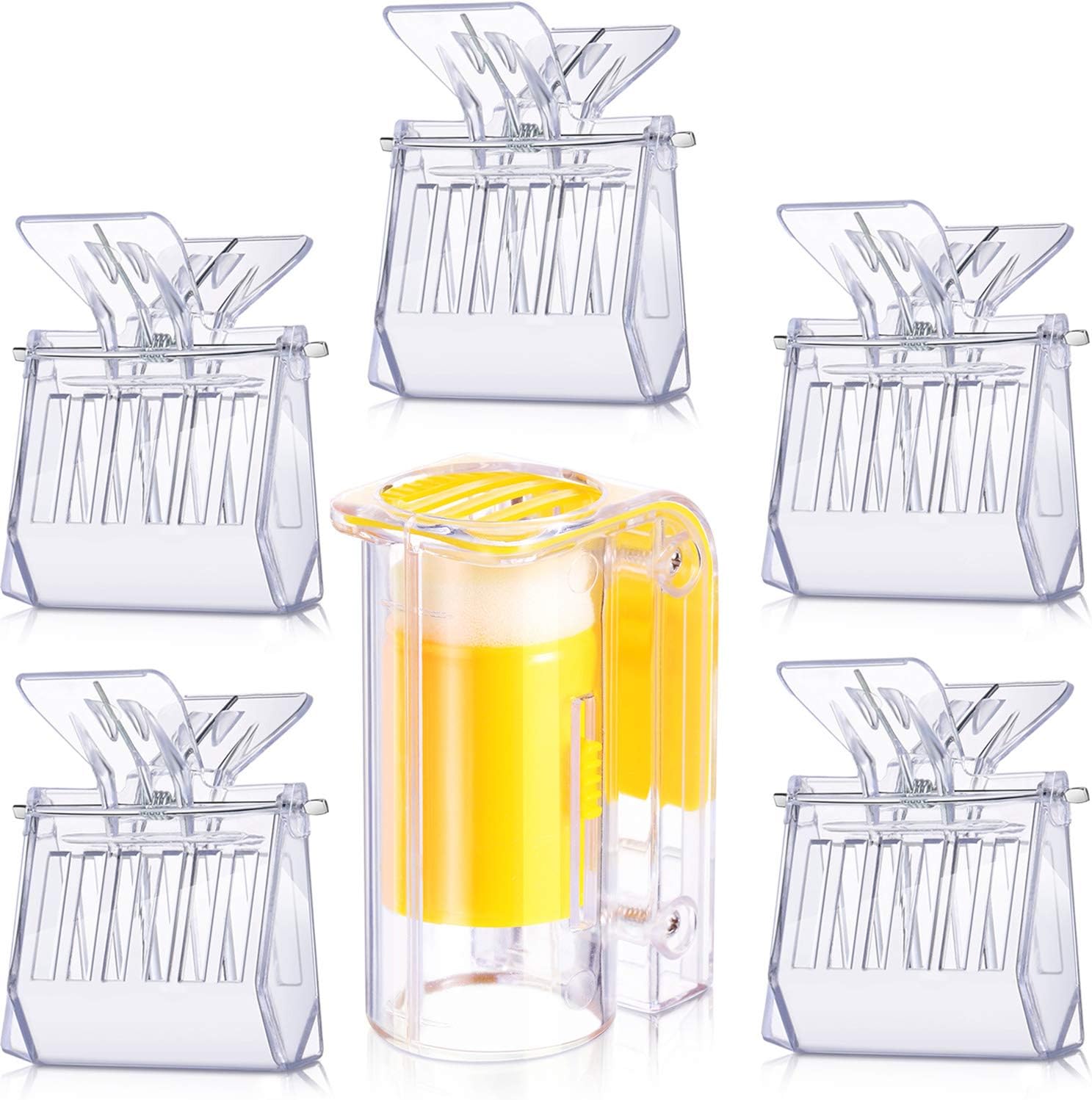
A buckfast queen bee from a recognized breeder gives you a calm, productive colony with decent disease resistance, making it a solid choice if you want reliability without fussiness. They're not necessary for beginners, but if you're past your first year and want to upgrade your stock or replace a poor-performing queen, a quality Buckfast queen is a straightforward way to improve your results.
Temperament and Productivity
Buckfast bees are genuinely calm and unlikely to sting without provocation. This makes them good for beekeepers working without a full suit or for those keeping hives near neighbors. They’re also active foragers and tend to build up quickly in spring, which means good honey crops in most years.
Productivity is where Buckfast bees shine. They convert forage into honey efficiently and maintain strong populations through the season. They’re also good brood-raisers (meaning the queen lays well and the colony raises large numbers of young bees), so if you plan to split colonies (dividing one hive into two to prevent swarming or increase your number of hives) or raise your own queens later, they’ll give you strong material to work with. The downside: they can be prone to swarming if you don’t manage them actively, and they’re not the absolute gentlest strain—some individual colonies have attitude.
Disease Resistance Traits
Buckfast bees show good resistance to Varroa mites, a major threat to honeybees. They have a natural tendency to “uncap” and remove infested pupae—a behavior called Varroa-sensitive hygiene (VSH), where bees detect and clean out mite-infested cells before the mites can reproduce. This doesn’t eliminate the mite problem on its own, but it reduces mite populations enough to make a real difference.
They also resist Nosema (a gut fungus that weakens adult bees and can cause colony decline) and some other fungal diseases better than average stock. However, “better than average” doesn’t mean “immune.” You still need to monitor for disease, manage mite loads, and keep colonies healthy through good nutrition and hive management. Buckfast bees are not a substitute for good beekeeping practices. If you’re a beginner, focus first on learning to inspect colonies and recognize problems—the bee strain matters less than your management skills at that stage.
Where to Source Buckfast Queens
Finding a quality Buckfast queen requires knowing who breeds them responsibly. Look for breeders who test their stock for disease resistance and temperament, not just anyone selling “Buckfast” queens. The Buckfast Abbey website lists recognized breeders, and local beekeeping clubs often have recommendations.
Prices vary widely—a Buckfast queen from a reputable breeder typically costs $25–$50, compared to $15–$25 for standard stock. Mail-order queens arrive in a cage with attendants and a candy plug (a small sugar plug that worker bees slowly eat through over a few days, giving them time to accept the new queen before she’s released); installation takes five minutes. Spring is the best time to buy, when supply is good and you can introduce a new queen to a growing colony. Avoid buying queens in late summer unless you’re replacing a failing queen—new queens need time to establish before winter.