Best Pollen Substitutes for Bees
Pollen substitute for bees is a manufactured food designed to replace or supplement natural pollen when it’s unavailable. Most beginner beekeepers don’t need it right away—healthy colonies in decent forage areas find enough pollen on their own. However, if you live in a region with a long winter, a short spring, or poor natural forage, understanding when and how to use pollen substitute can prevent starvation and colony collapse.
Best Overall Pollen Substitute
The best pollen substitute for bees combines protein, carbohydrates, fats, and micronutrients in proportions that mimic real pollen. Look for products with at least 20–25% crude protein, since natural pollen typically ranges from 15–35% depending on the source. Brewer’s yeast, soy flour, and dried egg are common base ingredients that bees will actually consume. The texture matters too—granules or patties are easier to feed than powder, which can blow away or cake up in wet conditions. A quality pollen substitute should also include essential amino acids like methionine and lysine, which support brood development. Cost per pound tends to be higher for premium blends.
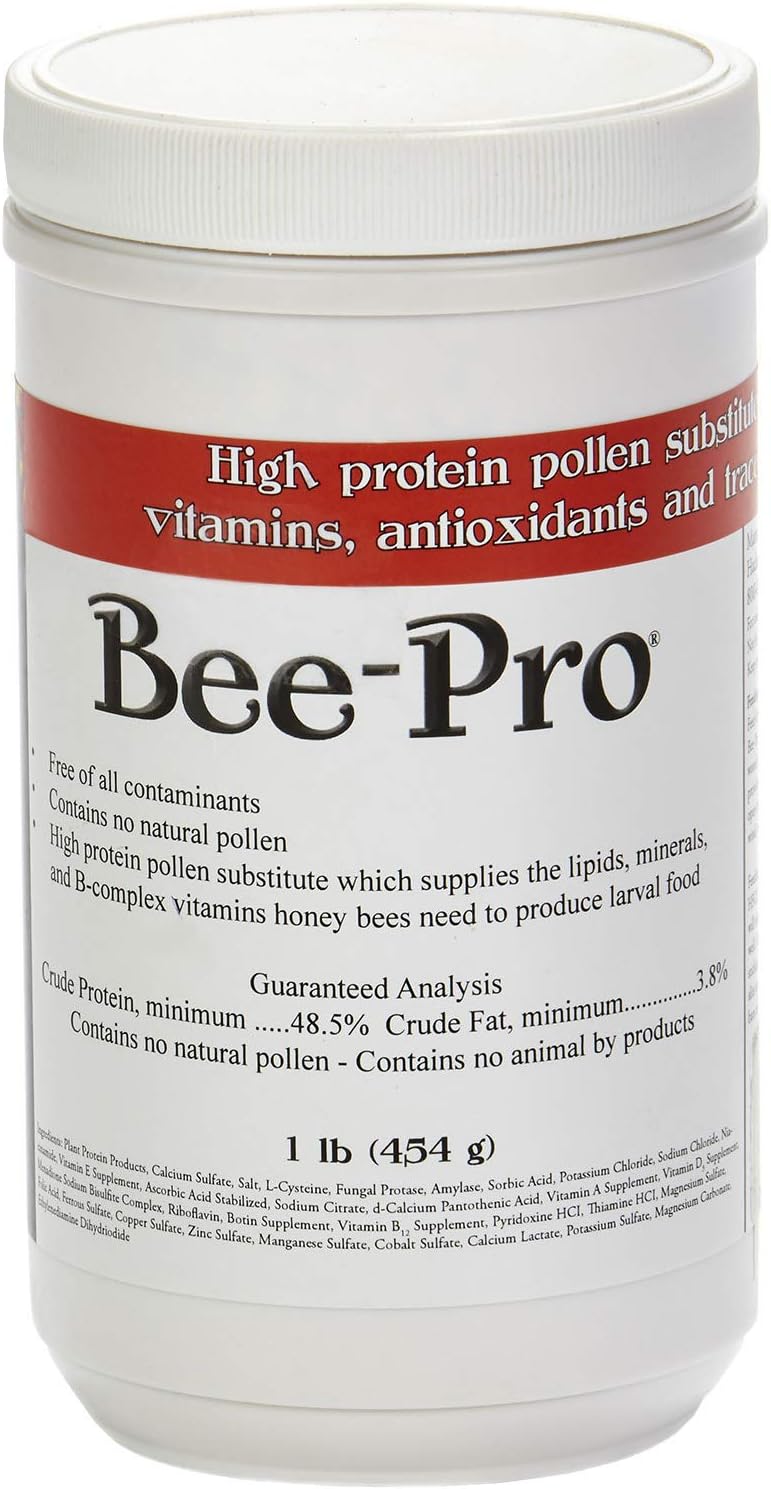
Pollen substitute for bees is widely available in both granule and patty form from most beekeeping suppliers. Granules can be mixed with honey or syrup and placed in a feeder or on a board near the entrance, while patties are simply laid on top of the frames. Most formulations are shelf-stable for 1–2 years if kept dry, making them practical to stock as emergency backup.
Best Budget Option
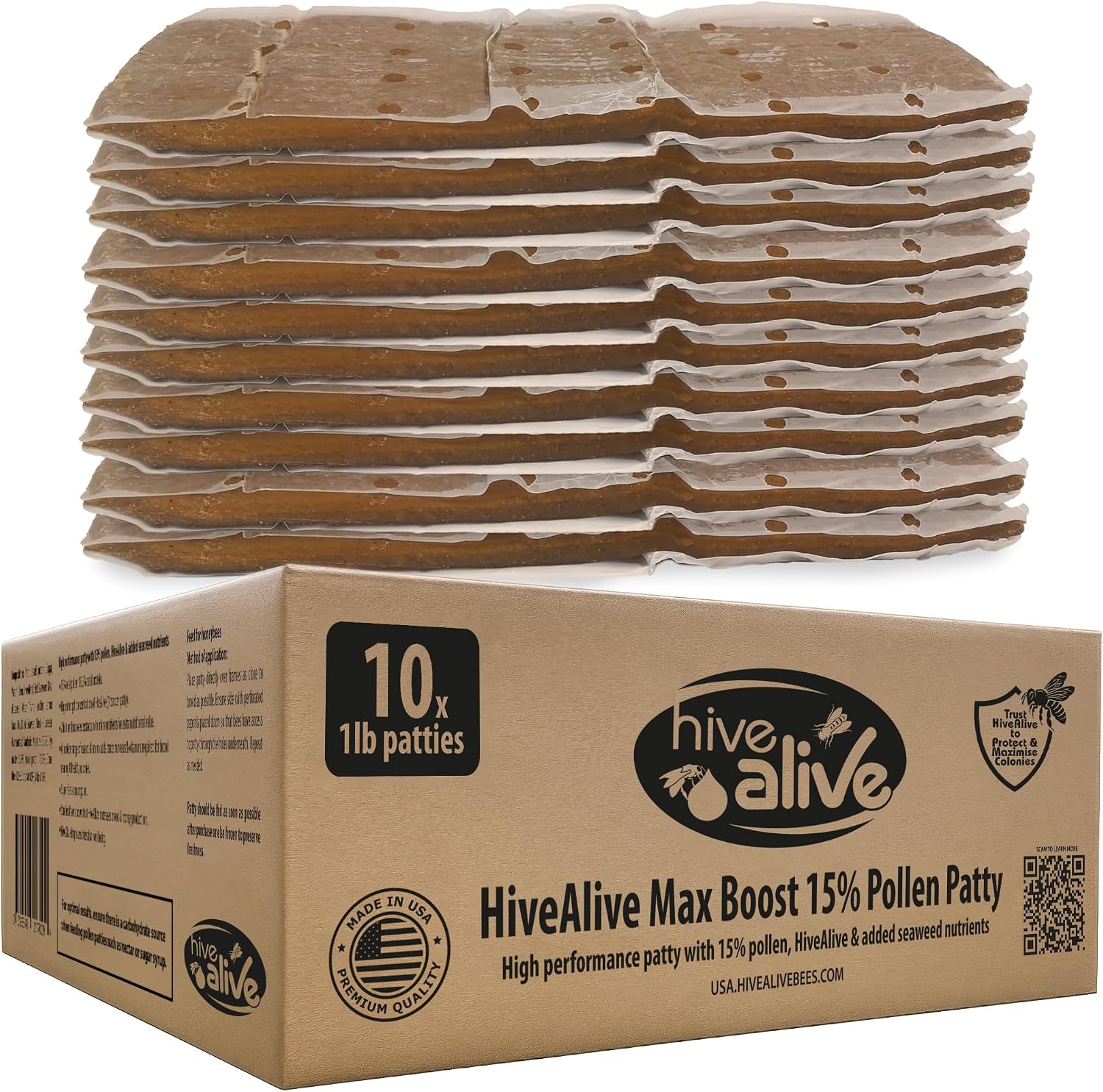
Buying pollen patties in bulk brings the per-patty cost down significantly if you’re feeding multiple hives or feeding regularly through a dearth.
If you’re watching your spending, basic pollen substitute for bees made primarily from soy flour and brewer’s yeast works adequately and costs significantly less than premium formulations. These simpler blends still contain usable protein and won’t harm your colony. The trade-off is that bees may not consume it as readily, and you might need to feed larger quantities to achieve the same nutritional outcome. Budget options are perfectly acceptable for a backup supply—keep some on hand in case of emergency, but don’t feel obligated to use it routinely. Many beekeepers mix budget pollen substitute with honey or sugar syrup to make it more palatable and reduce waste.
When Real Pollen Isn’t Enough
Pollen substitute for bees becomes necessary when natural forage fails or is absent for extended periods. This happens most often in early spring before flowers bloom, after a hard freeze kills blooms, during prolonged drought, or in late fall when colonies need to build up reserves before winter. If you keep bees in an urban area with limited flowering plants, or in a region with only one or two major nectar flows per year, supplemental feeding may be routine. Colonies preparing to split or expand also benefit from extra protein during their buildup phase. In some climates, feeding pollen substitute in late summer and early fall directly improves winter survival rates because it allows bees to rear more winter bees (longer-lived bees hatched in late season that carry the colony through cold months) with better nutrition.
How to Tell If a Colony Needs It
The clearest sign is the absence of visible pollen stores in the hive. Open a brood box (the lower hive body where the queen lays eggs and young bees develop) in spring or late summer and look at the frames—if you see little to no pollen packed into cells, your colony is foraging but not finding enough. Weak brood patterns are another indicator: a healthy brood pattern is a compact, even spread of developing bees across the frame, so scattered or patchy capping (the wax lids worker bees place over cells containing developing pupae) or many uncapped larvae suggest the colony lacks protein to feed developing bees properly. If you see bees bringing in pollen regularly but the colony still seems to struggle with brood production, poor-quality pollen from limited plant sources may be the issue. Timing is key: feed pollen substitute when you notice the problem, not after the colony has already declined. A strong colony with visible pollen stores and solid brood patterns does not need supplemental pollen, even if you see a few days without incoming pollen.