Best Books for Beginner Beekeepers
Starting your first hive is exciting but also overwhelming—there’s a lot to learn about bee biology, equipment, and seasonal management. A good beginner book cuts through the noise and gives you what you actually need to know without unnecessary complexity. We’ve tested and read through the most popular titles to find which ones genuinely help new beekeepers get started and stay confident through their first year.
Best Overall Beginner Book
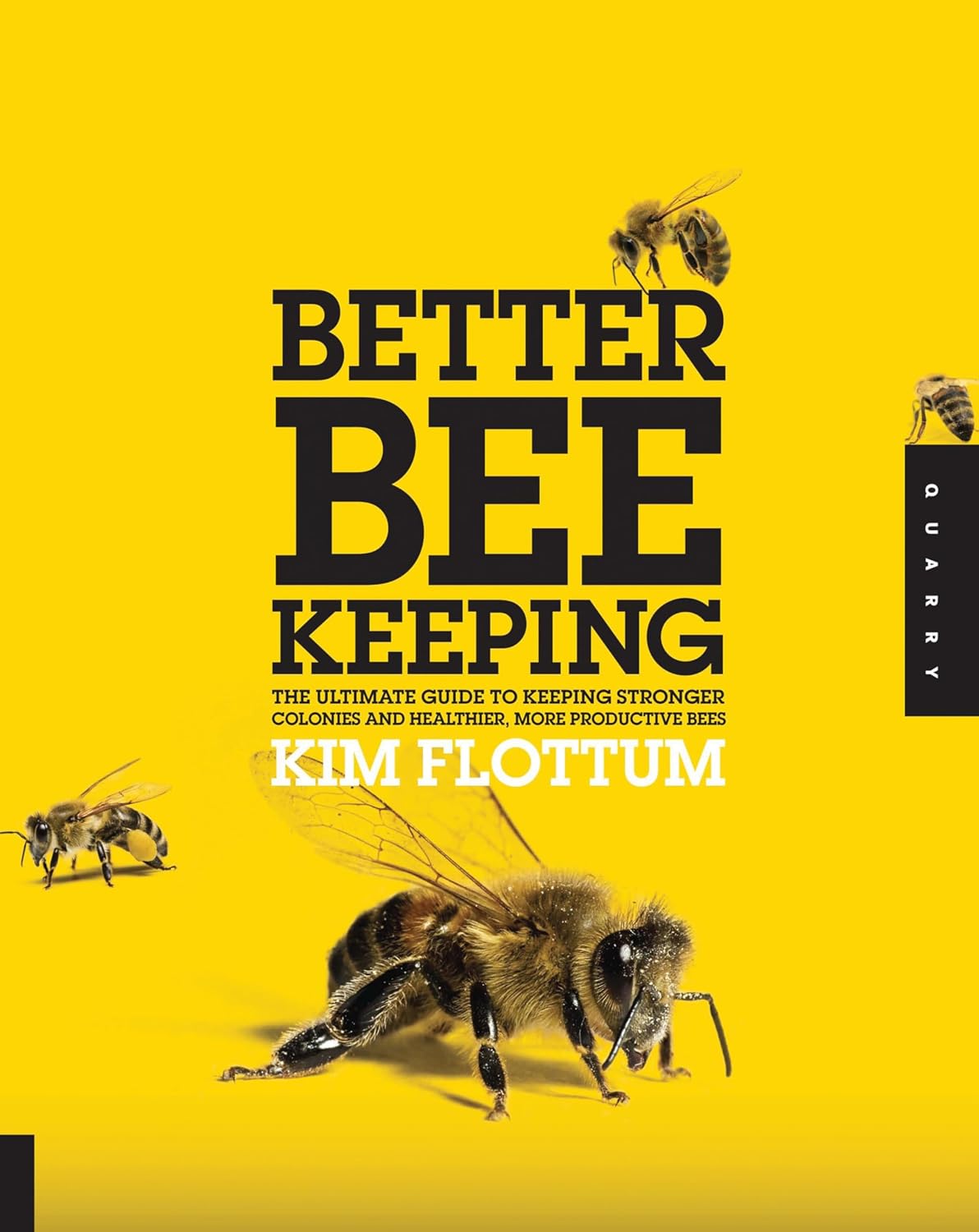
The Backyard Beekeeper by Kim Flottum strikes the right balance between being thorough and staying accessible. Flottum walks you through the full year of beekeeping—spring setup, summer management, fall preparation, and winter monitoring—so you know what to expect month by month rather than being surprised by seasonal shifts. The book covers equipment choices clearly without pushing you toward expensive gear, explains hive inspections step-by-step, and addresses common problems like swarming and disease in plain language. If you’re going to buy one book, this is the one that most beekeepers recommend to their friends because it answers the questions you’ll actually ask in your first season.
What makes this book particularly useful for beginners is that it doesn’t assume you already know the vocabulary. Terms like “brood nest,” “supersedure,” and “propolis” are explained in context rather than dropped without definition. Flottum also writes in a reassuring tone that acknowledges beekeeping has a learning curve—you’ll make mistakes, and the book helps you understand why things went wrong and what to do differently next time.
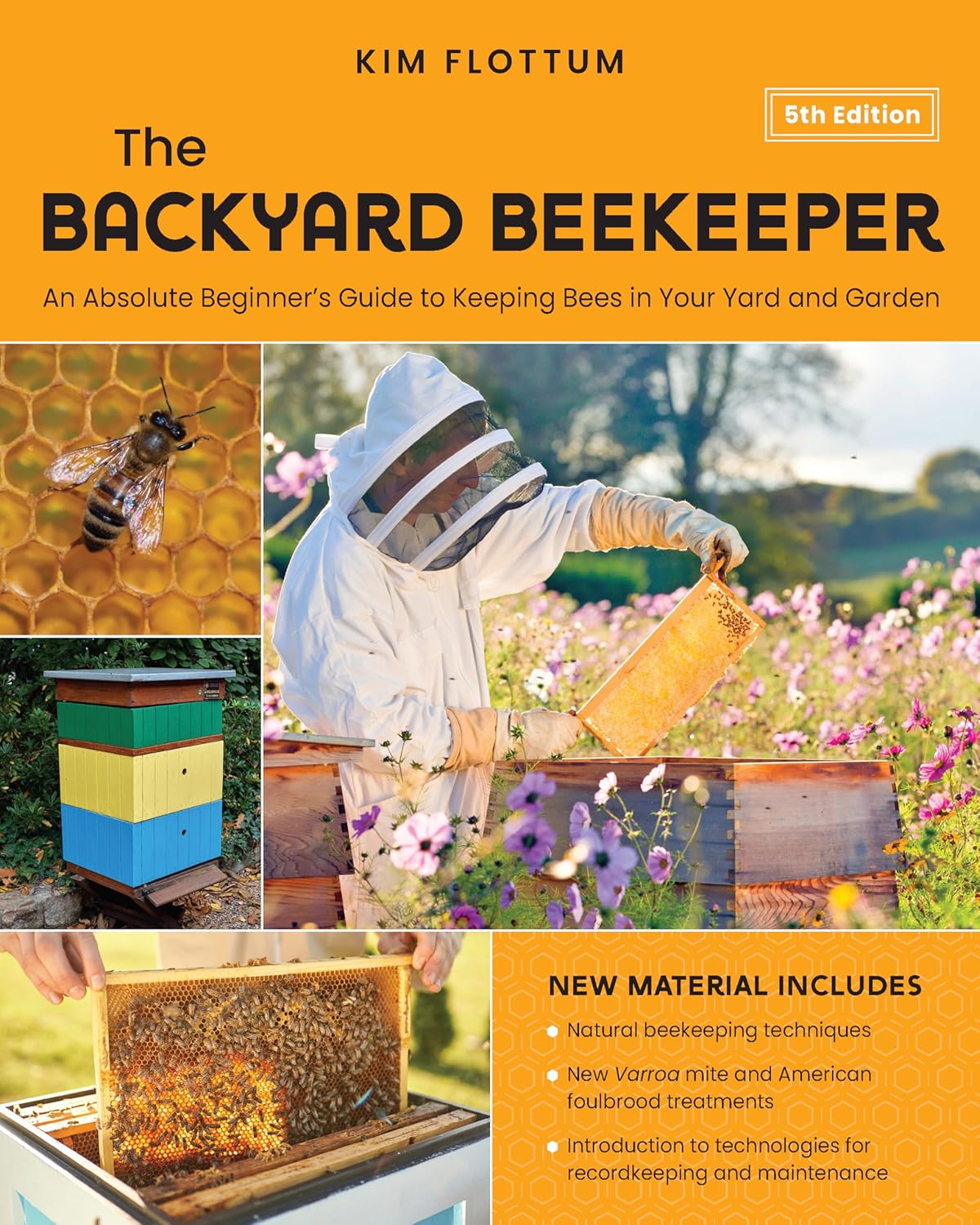
The Backyard Beekeeper by Kim Flottum strikes the right balance between thorough and accessible, walking you through a full year of beekeeping with practical advice on equipment, inspections, and seasonal management.
Best Illustrated/Visual Guide
Beekeeping for Dummies by Howland Blackiston uses photos, diagrams, and illustrations throughout to show you what you’re reading about rather than just telling you. When a book describes how to light a smoker or what a healthy brood pattern looks like, seeing it makes a real difference—you won’t second-guess yourself in your hive wondering if what you’re seeing is normal. The visual approach also makes it easier to flip back and refresh your memory on a specific task before you head out to the bees. This book works especially well if you learn better by seeing rather than reading dense paragraphs, and it’s also handy as a quick reference guide once you’re actively keeping bees.
The structure of the book also suits beginners well because it breaks information into short, clearly labeled sections rather than long chapters you have to read straight through. If you’re standing at your hive and need to quickly remind yourself what to look for during a spring inspection, you can find that section in under a minute. That kind of practical usability matters more than it might seem when you’re suited up and working with live bees.
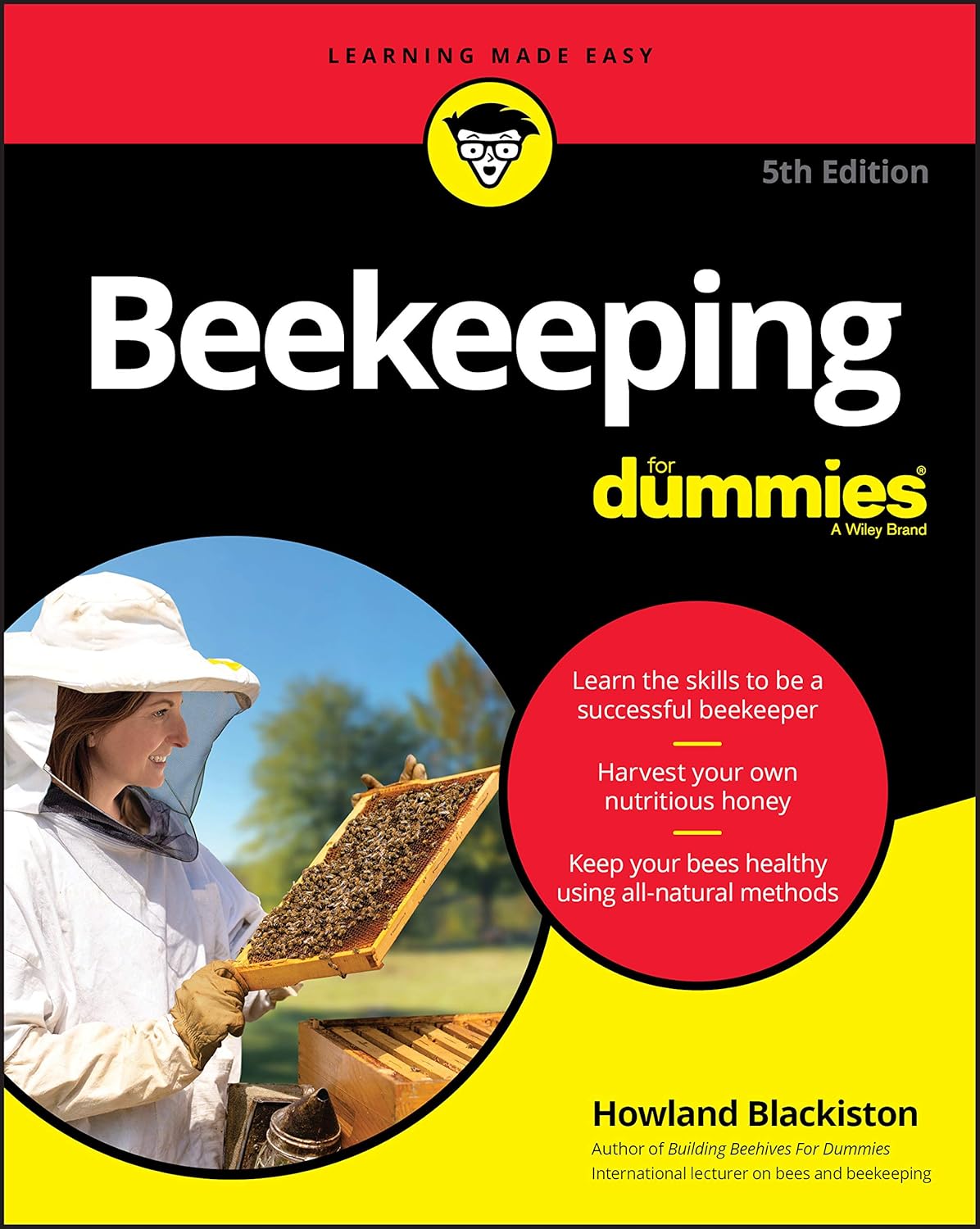
Beekeeping for Dummies by Howland Blackiston uses photos and diagrams throughout so you can actually see what smoker lighting, brood patterns, and hive components look like rather than just reading descriptions.
Best Comprehensive Reference
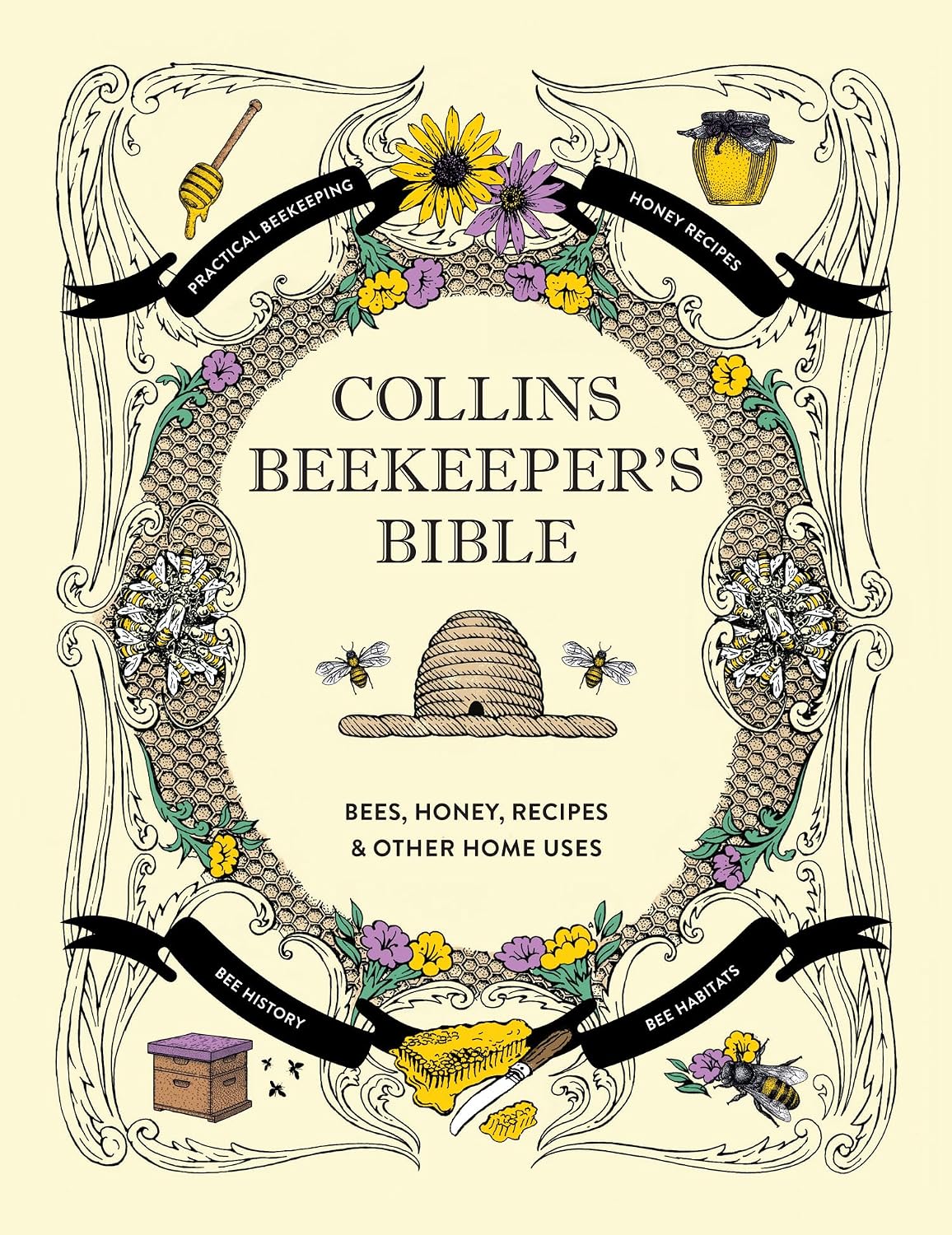
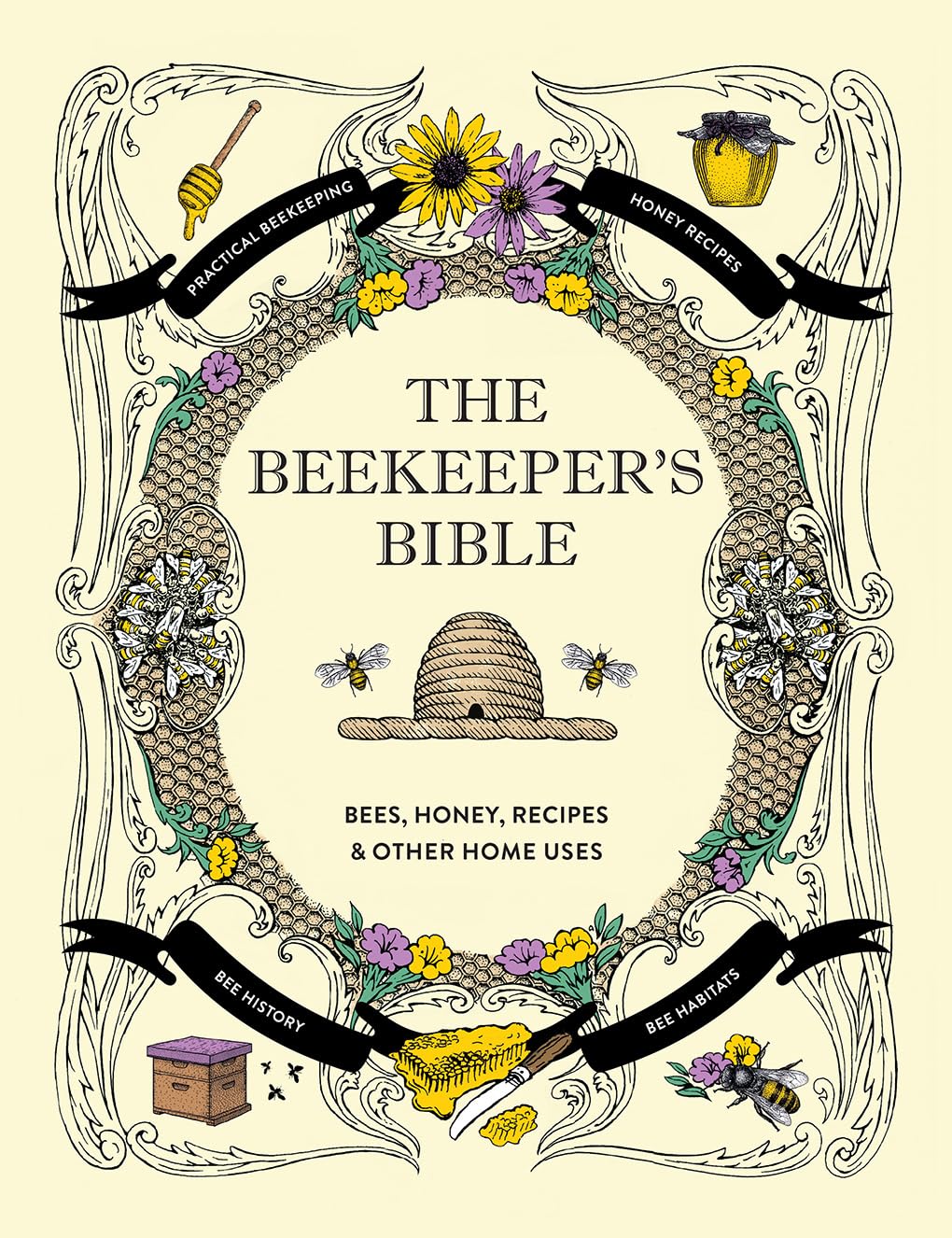
The Beekeeper’s Bible by Richard Jones and Sharon Sweeney is the thickest book on this list and serves as both a learning tool and a long-term reference you’ll return to for years. It covers bee biology in real depth, explores different hive styles and management philosophies, and includes detailed sections on honey harvesting, bee health, and even bee products like propolis and pollen. You don’t need to read it cover-to-cover as a beginner—start with the chapters relevant to your immediate needs—but it’s the kind of book that grows with you as your beekeeping evolves. Having this on your shelf means you won’t need to hunt online for answers to intermediate questions that come up after your first season.
The depth of the bee biology sections is especially valuable once you’ve had a season of hands-on experience and want to understand the “why” behind what you’ve been observing. Knowing how a colony regulates temperature, how bees communicate through the waggle dance, or how the queen’s pheromones influence colony behavior helps you make better management decisions rather than just following instructions by rote. This book bridges the gap between beginner practice and genuine understanding of what’s happening inside your hive.
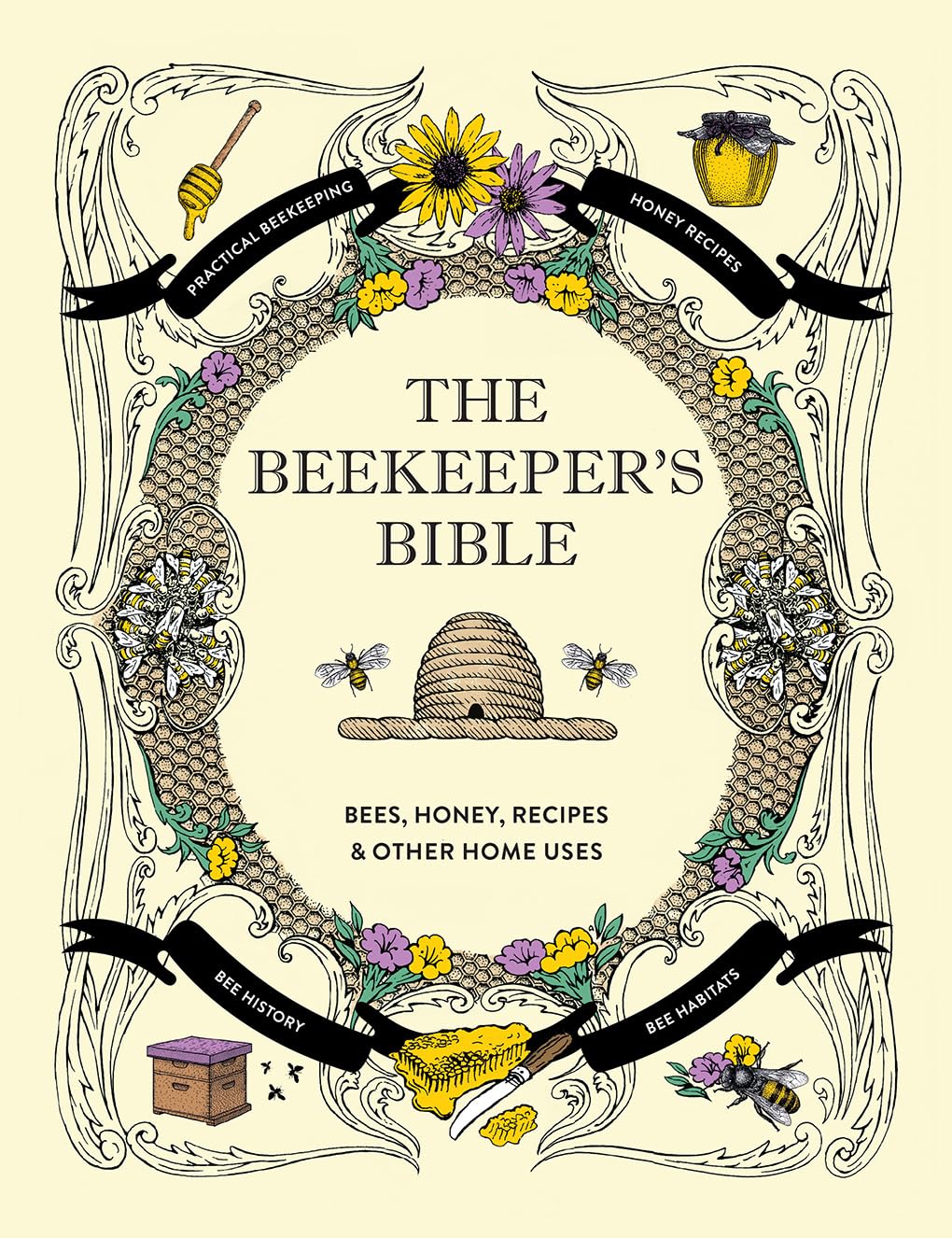
The Beekeeper's Bible by Richard Jones and Sharon Sweeney is a comprehensive reference that covers bee biology, hive styles, honey harvesting, and bee health in depth—the kind of book you'll use for years as your knowledge grows.
Complete List