Best Hive Ventilation for Summer
Bees generate heat and moisture inside the hive, especially in summer, and poor airflow can lead to disease, swarming, and colony stress. The good news is that effective summer ventilation doesn’t require expensive gear—a few simple, low-cost tweaks will keep your colony comfortable. This guide covers what actually works for beginners without unnecessary complexity.
Best Overall Ventilation Setup
The most reliable summer setup combines two layers of airflow: bottom ventilation and top ventilation. Start with a screened bottom board, which lets hot air and moisture escape from below while allowing cooler air to enter. Pair this with an upper vent—either a screened inner cover or a hive top ventilator—to create a natural draft through the hive. This cross-ventilation mimics what happens in wild colonies and requires no moving parts or electricity.
Position your hive entrance facing east or northeast to catch morning sun but avoid afternoon heat. Make sure the entrance is fully open in summer (don’t reduce it). If your hive sits in direct afternoon sun, consider temporary shade from a board or cloth, but don’t block airflow. Spacing your hive on a stand (at least 6 inches off the ground) also helps air circulate underneath. This setup costs very little and works well for most hobbyist beekeepers in temperate climates.
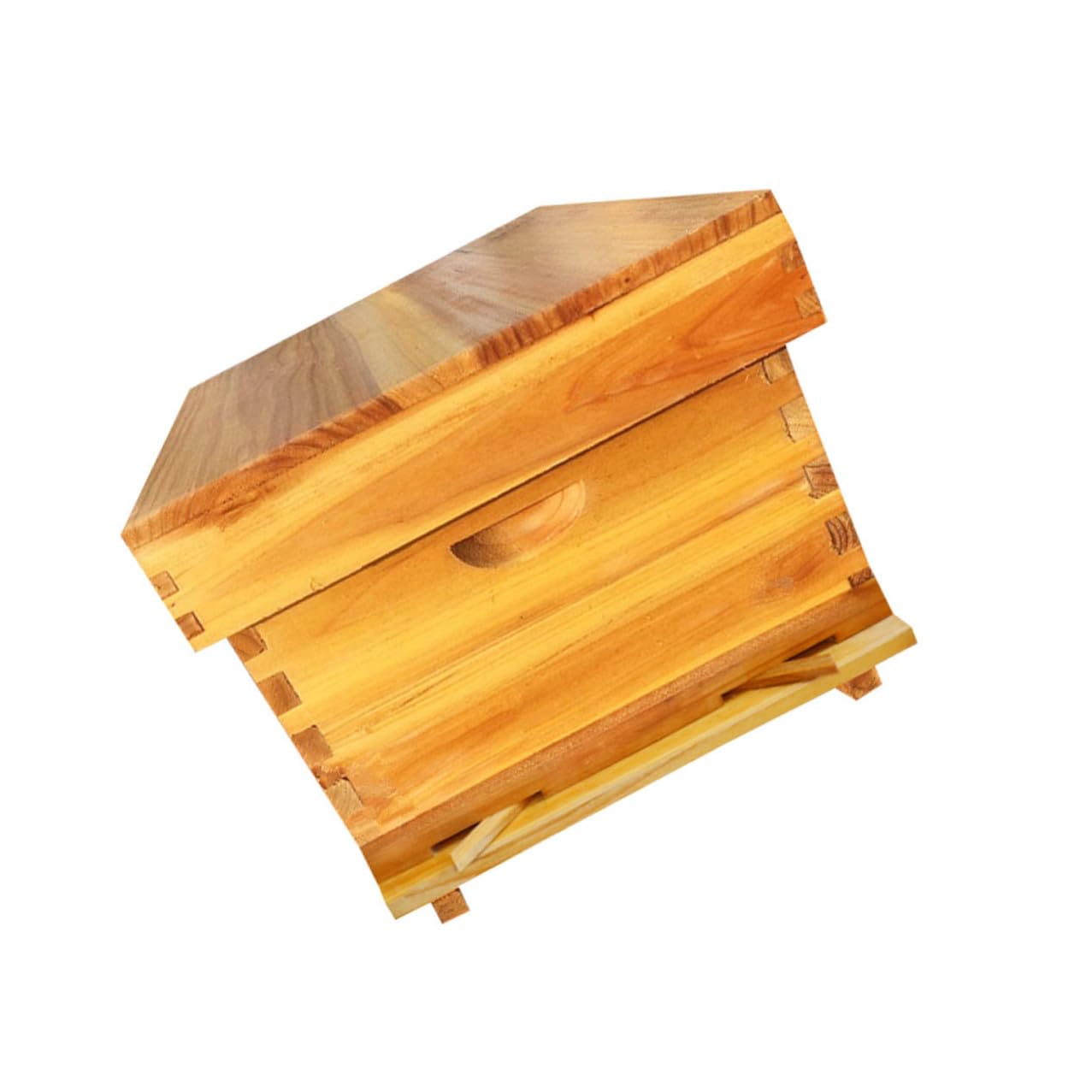
A screened inner cover is a standard hive part that replaces your solid inner cover and provides a small upper vent while still supporting your outer cover. It costs $10–20 and is a no-fuss upgrade that every beekeeper should consider, especially in summer.
Best Budget Option
If you’re starting with a standard hive, the cheapest effective move is to add a screened bottom board and prop open your outer cover slightly. A screened bottom board costs $15–30 and provides immediate bottom ventilation. For the top, simply place a thin stick or shim under one edge of your outer cover to create a quarter-inch gap. This lets hot air escape without letting in pests or rain.
This approach works surprisingly well and costs under $40 total. You won’t have perfect airflow, but you’ll prevent the worst moisture and heat buildup. If you live in a very humid climate or your hive gets afternoon sun, this basic setup may not be enough—you might need to upgrade to a top ventilator later. But for most beginners in normal conditions, it’s a solid starting point. Many experienced beekeepers still use this simple method.
Screened Bottom Boards for Airflow
A screened bottom board replaces your solid floor and lets air flow underneath the hive. The mesh sits facing upward so bees move above it and debris falls through and away from the colony. This open floor design promotes steady airflow from below and helps reduce heat and moisture buildup during summer.
In winter, some beekeepers slide a solid board underneath to reduce drafts, but in summer leave it open. The board costs $15–35 depending on your hive size and whether you buy it pre-made or build it. This is one of the best single investments for summer ventilation and works year-round. Don’t worry about it being overkill—it’s genuinely useful and not expensive.
Top Ventilation Options
Your top vent should allow hot, moist air to escape without letting in rain or pests. A screened inner cover has a small notch or opening that provides minimal top ventilation; it’s better than nothing but not ideal for very hot climates. A ventilated outer cover has built-in slots or vents and offers more airflow while still shedding water. A hive top ventilator is a box that sits on top of the hive and draws air upward, providing the strongest ventilation but also the most bulk.
For beginners in moderate climates, a screened inner cover or ventilated outer cover is usually enough. A hive top ventilator is worth considering only if your summers are very hot, your hive gets full sun, or you’re in a humid region where moisture is a real problem. It adds cost ($30–60) and height to your setup, and it’s not necessary for most hobbyists. Start simple and add a top ventilator only if you notice problems like excessive moisture or bees bearding (clustering outside the hive).
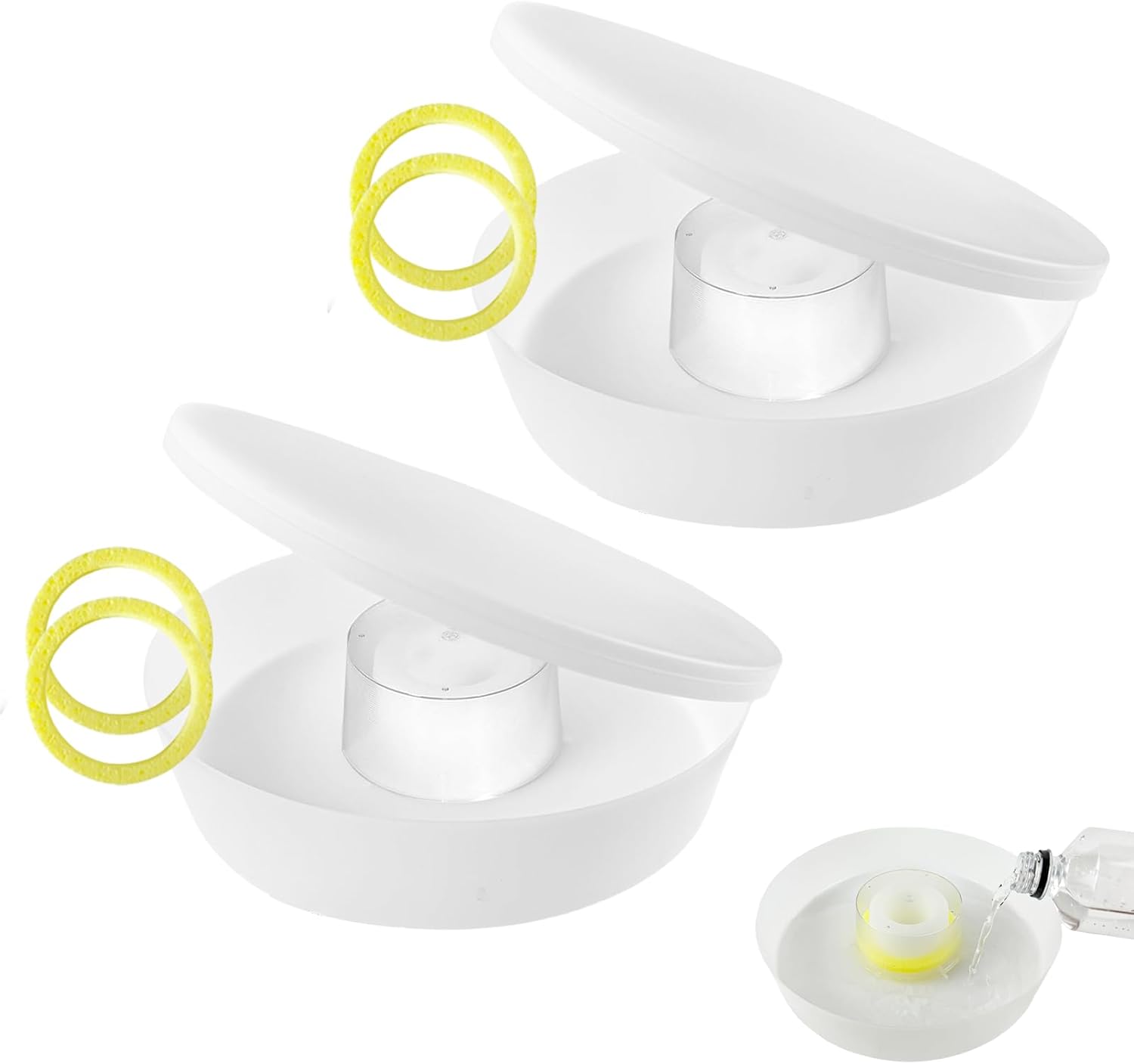
A hive top ventilator is a separate box filled with screen or mesh that sits on top of the hive and draws moisture and heat upward through convection or gentle air movement. It costs $30–60, adds several inches of height, and is most useful in very hot or humid climates; skip it if your colony seems comfortable with simpler ventilation.