Bee-Friendly Lawn Care Tips
Your lawn is one of the easiest places to help your bees—and it doesn’t require special equipment or major changes. A few simple shifts in how you mow, what you tolerate, and when you treat your grass can turn a sterile yard into a genuine food source for your colony and local pollinators.
Mowing Frequency and Clover Tolerance
Most beekeepers mow too often. Frequent mowing removes flowers before bees can use them, and it keeps your lawn in a juvenile growth stage where few blooms appear. Try mowing less often—every two to three weeks instead of weekly—and raise your mower blade to 3 to 4 inches. Taller grass shades the soil, reduces water loss, and lets low-growing flowers like clover, dandelions, and plantain reach bloom before you cut them down.
Clover is your friend. It’s nitrogen-fixing (improves soil naturally), it’s cheap to maintain, and bees love it. Stop thinking of it as a weed. If your lawn has clover already, don’t kill it—encourage it by mowing less and letting it flower. If you want to add clover, you can overseed bare patches in spring or fall with white or red clover seed. A lawn that’s 20–30% clover is ideal for bees and still looks intentional. You’ll also spend less on fertilizer because clover does the work for you.
Herbicide Alternatives
Chemical herbicides kill the flowering plants bees need, and many persist in soil or water where bees drink. The safest approach for a bee-friendly yard is to stop using them altogether. You don’t need a perfect monoculture lawn.
If you have problem weeds (not just clover), hand-pull them when soil is moist, or dig them out with a weeding tool. Always read the label on any product you consider and apply it in late evening when bees aren’t foraging. Even better: accept a messier lawn. Dandelions, plantain, and self-heal are all edible and nutritious for bees. A “weedy” lawn in spring is a bee buffet.
For ongoing maintenance without chemicals, mulch mowing (leaving grass clippings on the lawn) returns nitrogen to soil and reduces the need for fertilizer. If you use fertilizer, choose organic options that won’t burn off flowering plants or contaminate water.
Leaving Flowering “Weeds” Intentionally
The single best thing you can do is stop removing everything that isn’t grass. Dandelions, clover, violets, chickweed, and self-heal are all flowers bees use. They bloom at different times, so a “weedy” lawn provides nectar and pollen from early spring through fall.
Create a small “pollinator patch”—a corner or strip where you don’t mow at all during the growing season. Let it go wild. Native wildflowers will often appear on their own, or you can scatter seed. This takes almost no effort and gives bees a reliable food source. Even a 4-by-8-foot patch helps.
If you’re worried about neighbors’ opinions, frame it intentionally: let the patch grow in spring, then cut it back in late fall. Tell neighbors it’s a pollinator garden. Most people understand. If space is tight, even a small unmowed border along a fence or property line works.
Timing Lawn Treatments Around Bloom
If you must apply chemical treatments to your lawn (for thatch—the layer of dead grass and organic matter that builds up at soil level—or pest control), do it when flowers aren’t blooming: late fall or early spring before things flower. Mechanical tasks like aeration or dethatching are generally safe for bees at any time of year since no chemicals are involved. Never spray anything on a blooming lawn. Avoid chemical treatments during the main nectar flow when your bees are foraging hardest (usually late spring through mid-summer, depending on your region).
If you use any product, always apply it in late evening or early morning when bees are in the hive. Read labels carefully; some organic products are still toxic to bees if applied during bloom. When in doubt, skip the treatment. A lawn doesn’t need perfection to support bees.
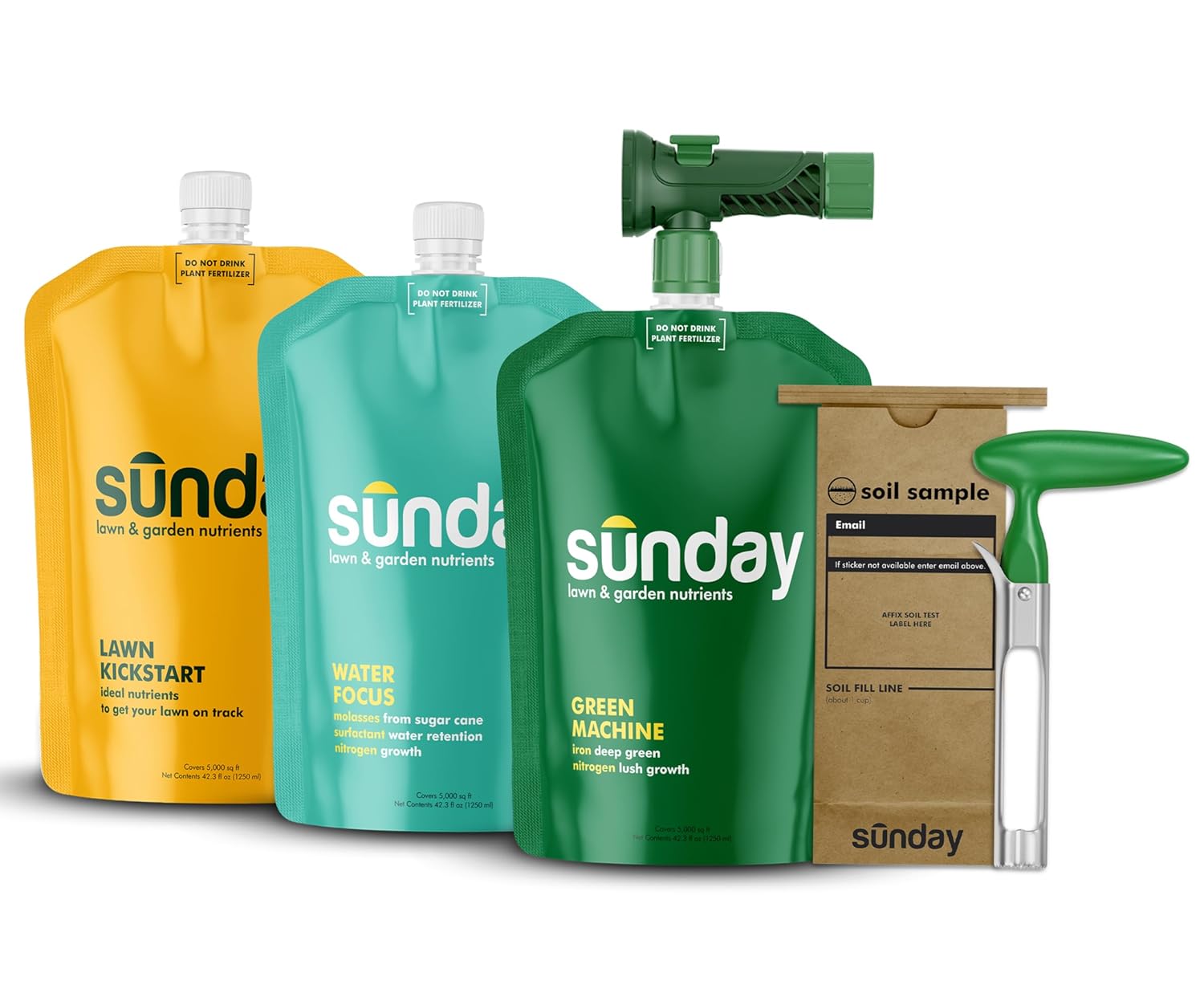
Organic lawn care kit typically includes seed, fertilizer, and treatment products designed to build healthy turf without synthetic chemicals. These kits work well if you're starting a lawn from scratch or doing a major renovation, though for most hobbyist beekeepers, simply mowing less and tolerating clover achieves the same result at lower cost.