Small Hive Beetle Traps That Work
Small hive beetle traps are one of those beekeeping tools that sits in a gray zone: they help, but you don’t absolutely need one to keep bees alive. If you’re in an area with a low small hive beetle population or you’re just starting out, you can skip this for now. But if beetles are a known problem in your region, a trap is cheap insurance that takes five minutes to install.
Best Overall Beetle Trap
The small hive beetle oil trap is the most reliable option because it works with a simple principle: beetles crawl into a container, get trapped in oil, and drown. These traps sit on the bottom board (the floor of the hive) usually as a plastic tray or frame-like container that holds about half an inch of oil (mineral oil or vegetable oil works fine). The beetles are attracted to the dark, confined space and the oil does the rest. You’ll need to check and refill the oil every few weeks during beetle season. The main advantage is consistency — oil traps catch beetles consistently, and you can see exactly how many you’ve caught. The downside is the slight mess of dealing with oily beetle corpses. Most experienced beekeepers who use traps at all use oil traps because they simply work better than alternatives.
Oil traps are also forgiving for beginners because there’s very little that can go wrong. You fill the tray, you place it, and it does its job. Unlike some other pest-control methods, there are no powders to reapply, no timing windows to hit, and no special conditions required. If you’re new to beekeeping and beetles are present in your area, an oil trap is the single easiest intervention you can make. The upfront cost is low — most oil traps cost a few dollars — and a single bottle of mineral oil will last an entire season.
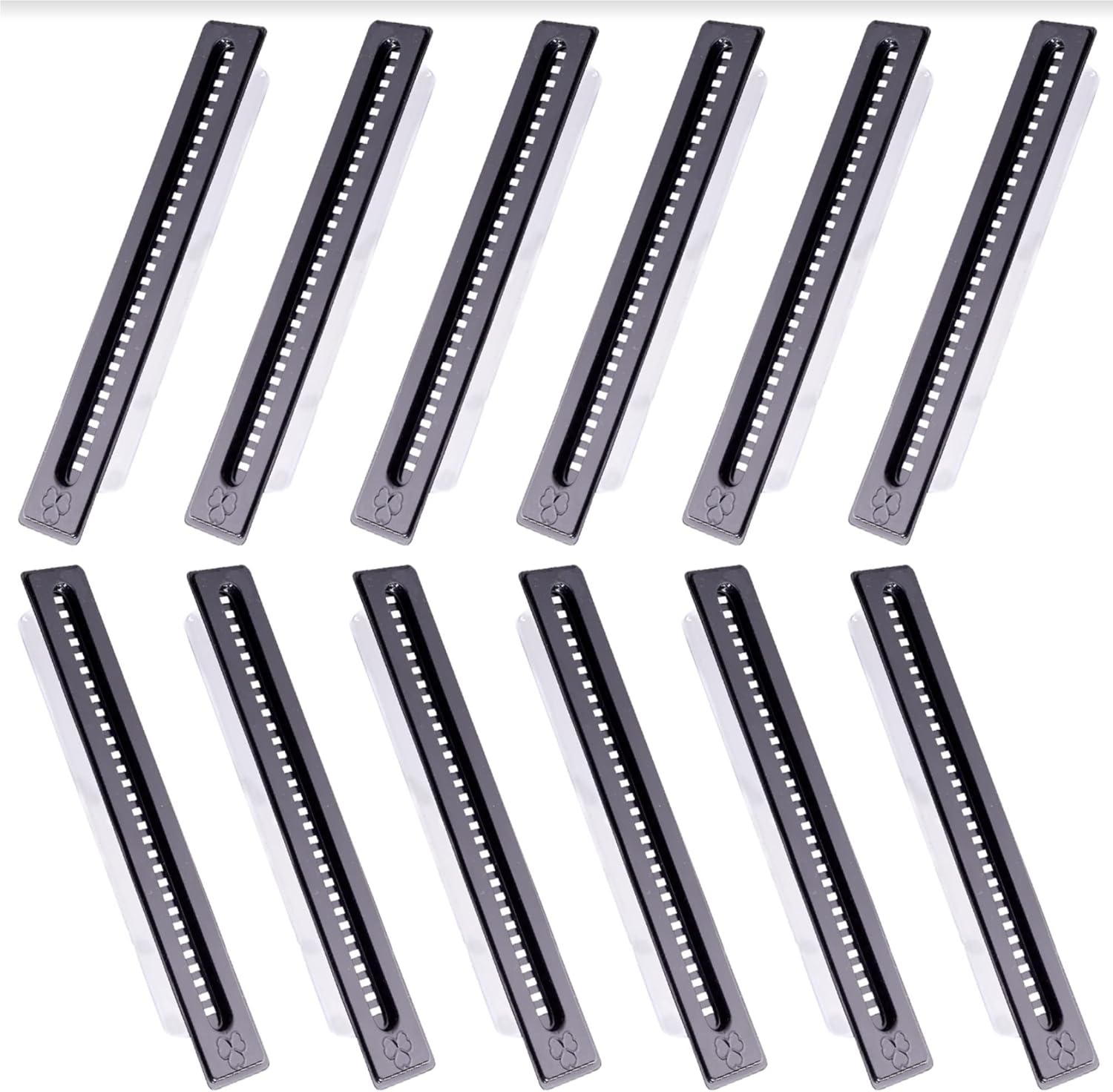
The small hive beetle oil trap is widely available and comes in several designs, most commonly as a plastic frame-like tray or a modified entrance reducer with an oil reservoir built in. These typically cost between eight and fifteen dollars and hold enough oil for several weeks of beetle catching. You'll need to supply your own mineral or vegetable oil and check it regularly, but the simplicity and reliability make it a solid choice for anyone who decides they need beetle control.
Best Budget Option
If you want to try beetle control without spending much, a small hive beetle diatomaceous earth trap uses food-grade diatomaceous earth (a powder made from fossilized algae) instead of oil. Beetles crawl in, the powder damages their exoskeleton, and they die. These traps are often cheaper upfront than oil traps and create less mess — no oily cleanup. However, diatomaceous earth loses effectiveness when it gets wet, which is a real problem inside a hive where moisture is common. You’ll need to replace the powder more frequently, especially during humid months or if your hive has moisture issues. For a beginner on a tight budget, this is worth trying, but don’t expect it to match the reliability of an oil trap. Many beekeepers find themselves switching to oil after a season or two of inconsistent results with diatomaceous earth.
That said, diatomaceous earth traps do have a genuine use case. In drier climates where hive moisture stays low, they can perform reasonably well and some beekeepers prefer them simply because there’s no liquid to spill during inspections. If you go this route, buy food-grade diatomaceous earth specifically — not the kind sold for pool filtration, which is processed differently and should not be used around bees. Check the trap at every inspection and replace the powder if it looks clumped or damp.
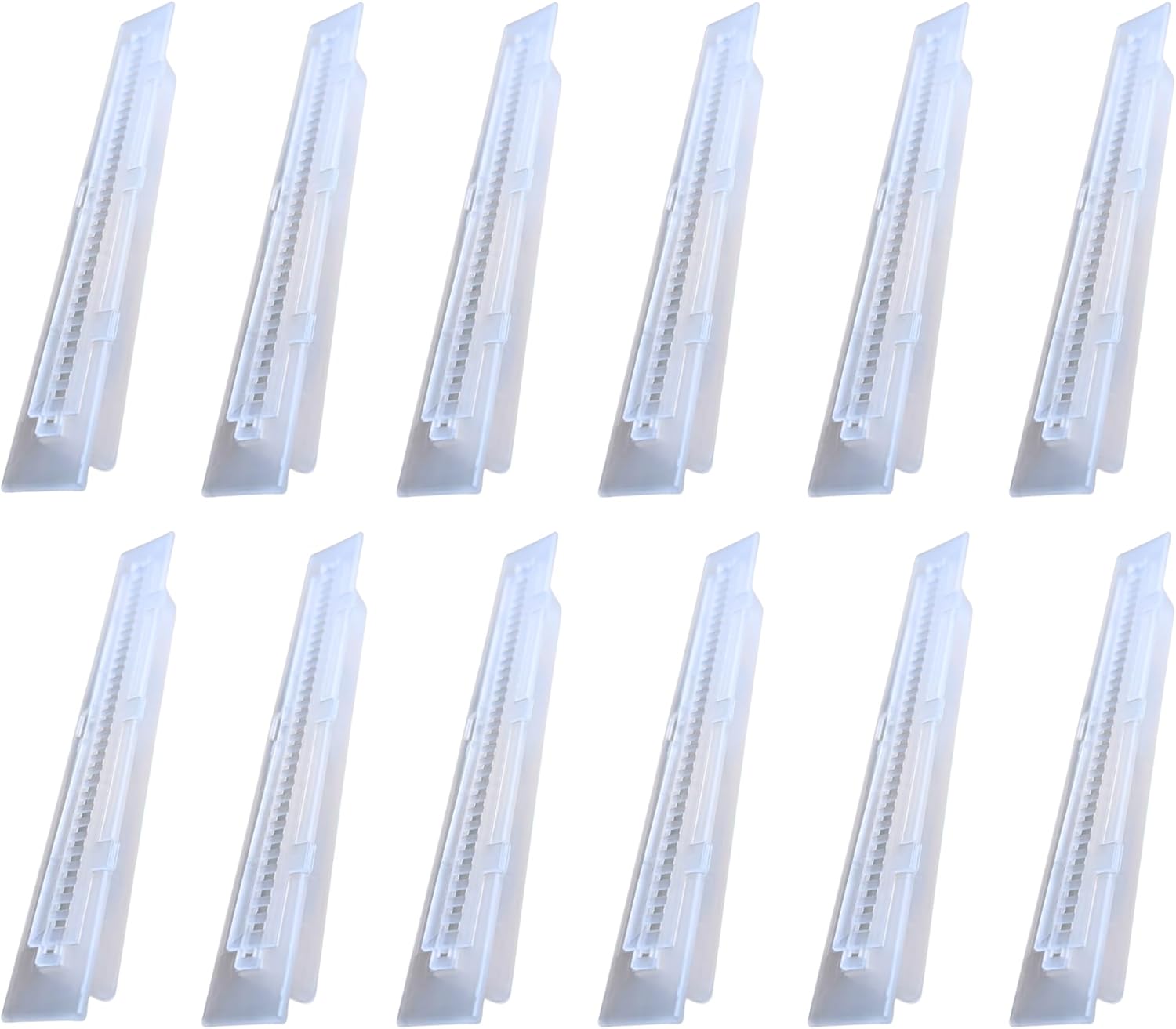
The small hive beetle diatomaceous earth trap is usually a plastic container or tray filled with food-grade diatomaceous earth powder that you place on the bottom board. These cost five to twelve dollars and require you to replace the powder every few weeks, especially during humid months. They're lighter and less messy than oil traps, but expect to replace the powder more often and accept lower catch rates if your hive environment is moist.
Oil Traps vs. Diatomaceous Earth Traps
Oil traps win on effectiveness and consistency. They work in wet conditions, they work in dry conditions, and they keep working until you empty them. A single oil trap can catch dozens of beetles over a season, and the oil itself lasts weeks. The trade-off is that you’re handling oily debris and you need to remember to refill periodically. Diatomaceous earth traps appeal to people who want a “cleaner” solution or who are uncomfortable using oil in their hive. The reality is that food-grade diatomaceous earth is safe for bees in small amounts, but it does lose potency quickly in humid conditions. If you live somewhere dry, diatomaceous earth might work fine for you. If you live somewhere humid or your hive tends to be moist, oil is the better bet. Many beekeepers use both: an oil trap as the primary defense and a diatomaceous earth trap as backup.
For a beginner, the simplest approach is to start with one oil trap and see if you even need it — many regions don’t have enough beetle pressure to justify the effort. Small hive beetles are a more serious problem in warm, humid climates (the southeastern United States, for example) than in cooler or drier areas. Before buying any trap, it’s worth asking local beekeepers or your regional extension service whether beetles are a genuine concern where you keep bees. If the answer is yes, go with oil. If the answer is “occasionally,” one oil trap is still cheap enough to be worth having on hand.
Trap Placement That Actually Catches Beetles
Put your trap on the bottom board (the floor of the hive), toward the back or side where beetles naturally congregate. Beetles avoid light and open space, so they’re drawn to dark corners. If your trap is in the middle of the brood chamber — the lower section of the hive where the queen lays eggs and bees are actively moving — it won’t catch as many beetles because there’s too much bee traffic for beetles to move freely. Some beekeepers place traps near the entrance reducer (a small insert that narrows the hive entrance, often used to help a colony defend itself) or beneath a screened bottom board (a mesh floor that allows debris and mites to fall out of the hive rather than accumulate inside). Both positions can work, but the priority is always a dark, low-traffic spot.
Check your trap every two to three weeks during warm months. If you’re catching zero beetles after a month, you probably don’t have a beetle problem worth worrying about, and you can remove the trap and save yourself the maintenance. If you’re catching five or more beetles per week, your trap is working and you should keep it in place. Placement matters less than consistency — a trap in a mediocre spot that you check regularly will outperform a perfectly placed trap you forget about.