Can You Keep Bees in an Apartment?
Keeping bees in an apartment is possible, but it depends heavily on your building’s rules, local laws, and whether you have outdoor space. Most apartment dwellers can’t maintain a full hive on a small balcony, but rooftop access or nearby shared spaces open up real opportunities. Be honest with yourself about what your building allows before you get attached to the idea.
Rooftop and Balcony Options
A rooftop is genuinely the best apartment beekeeping scenario. Bees need 6–8 hours of direct sunlight, good air circulation, and distance from neighbors’ windows and outdoor seating areas. Rooftops typically provide all three. A single hive takes up roughly 2 feet by 2 feet of floor space, so even a modest rooftop works. You’ll also appreciate that rooftop bees fly higher before spreading out, which keeps them away from ground-level foot traffic.
Balconies are trickier. A small balcony (under 100 square feet) forces bees to take off steeply and fly low over neighboring units—this bothers people, even if the bees aren’t aggressive. If your balcony is large, south-facing, and isolated from shared walkways, it might work, but you’re fighting the geometry. Wind is another problem; exposed balconies can stress colonies and make hive management difficult. Balcony beekeeping works best in mild climates where you can position the hive in a sheltered corner and where neighbors are genuinely unbothered.
The real constraint is weight. A single deep brood box with bees, honey, and frames weighs 80–90 pounds. Add a second box and you’re over 150 pounds. Most apartment balconies and many rooftops have weight limits. Check your lease and building specs before committing.
Legal Considerations for Apartments
Your lease is the first barrier. Many apartment buildings prohibit bees outright, and your landlord can evict you for violating that clause. Read your lease carefully, then ask your landlord in writing. If they say no, that’s your answer—don’t keep bees anyway.
Local zoning laws are the second barrier. Some cities ban beekeeping in residential zones entirely. Others allow it only with a minimum distance from property lines, written neighbor consent, or a permit — the specifics vary by city, so don’t assume a particular number applies to you. Check your city or county’s zoning code online, or call the planning department. This takes 20 minutes and saves you from a fine or forced removal later.
HOA rules (if your building has one) can override even city permission. HOAs often ban bees, and they have legal standing to enforce it. Get written approval from your HOA board before you start.
Liability is a real concern for landlords. If a bee stings someone on the property and they sue, your landlord could be held responsible. This is why many landlords refuse. Some beekeepers carry liability insurance, which is available at relatively low annual cost and can help convince a reluctant landlord, but it doesn’t guarantee approval.
Start with your lease and landlord. If that’s a yes, check local law. If local law is a yes, check the HOA. Only then buy equipment.
Alternatives If You Can’t Keep a Hive
If your building says no, don’t give up on beekeeping—just change your approach. Observation hives are small, clear-sided boxes that hold a fraction of the bees a standard hive does. They fit on a window sill or small shelf and let you watch the colony without the space, noise, or neighbor complaints of a full hive. You still need local permission, but landlords are often more comfortable with a small, contained setup. The downside: observation hives require more frequent feeding and monitoring, and they don’t produce surplus honey.
Another option is to stop thinking of yourself as a beekeeper and start thinking of yourself as a bee advocate. You can support local beekeepers by buying their honey, volunteering at community gardens that host hives, or taking a beekeeping class to learn the fundamentals without owning bees yet. This keeps you engaged and builds knowledge for when your living situation changes.
Finding a Shared Apiary Space
Many cities have community gardens, urban farms, or dedicated apiaries that rent hive space to hobbyists. You maintain your own colony but share the land. This costs $50–150 per year and solves the apartment problem entirely. You get a full-sized hive, real honey production, and a community of other beekeepers. The trade-off is travel time—you’re not keeping bees at home.
Find shared spaces by contacting your local beekeeping association. Most states have one, and they maintain lists of public apiaries. You can also ask at farmers markets or community gardens. Some spaces have waiting lists, so start looking early.
Recommended Products
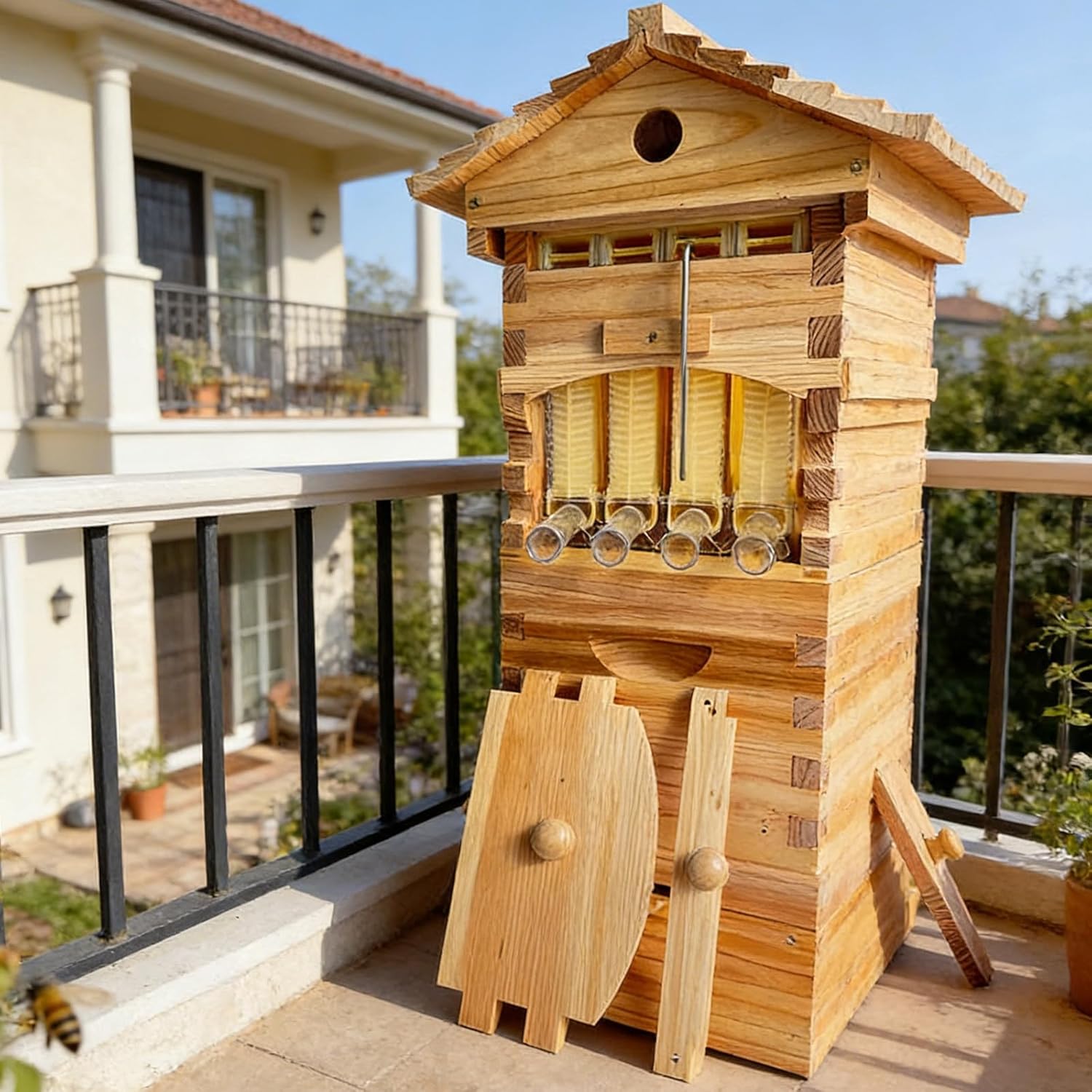
An urban beekeeping starter kit includes a complete hive body, frames, a basic smoker, a hive tool, and a bee brush—everything you need to start if you have the space. It's a practical choice if you've confirmed rooftop or balcony access and have landlord permission, because it covers the essentials without unnecessary extras.
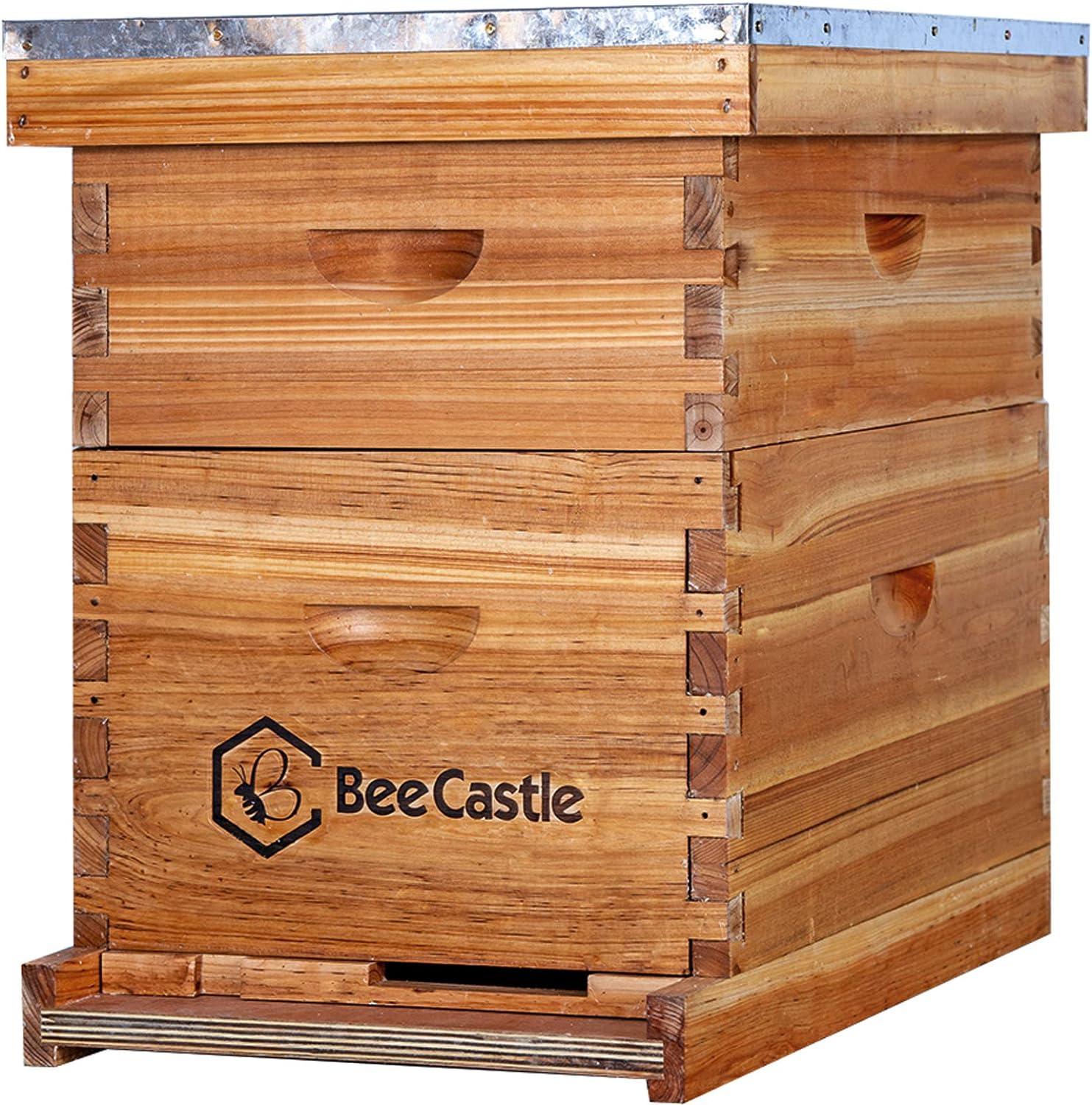
A rooftop beehive kit is designed specifically for exposed outdoor spaces and includes hive components built to handle wind and temperature swings common on roofs. If you've secured rooftop access and want equipment matched to that environment, this kit saves you from buying pieces separately and guessing at what works in exposed conditions.