How Far Do Bees Travel to Forage?
Honey bees don’t stay put. They travel surprisingly far from the hive to find food, and understanding that distance helps you make smarter decisions about where to place your hive and what plants to grow nearby. The farther bees have to fly for nectar and pollen, the more energy they burn—and that directly affects how much honey they’ll produce for you.
Typical Foraging Radius
A healthy honey bee colony will forage up to 3 miles from the hive in any direction, but they prefer to work much closer. Most of their foraging happens within a half-mile radius. Think of it this way: a bee that flies 3 miles out and 3 miles back has already spent significant energy before even collecting nectar. The closer the food, the more efficient the trip, and the more nectar each bee can bring home.
On a good day with abundant nearby flowers, foragers rarely venture beyond a mile. But when food is scarce—say, in mid-summer when local plants have finished blooming—they’ll push out to that 3-mile limit to survive. In urban or suburban areas with few flowers, bees often have no choice but to travel far. In agricultural regions, they may forage on distant crop fields. The point: distance is a survival strategy, not a preference.
Factors That Extend or Shorten Range
Several things push bees to travel farther or keep them close. Flower availability is the biggest one. A hive surrounded by blooming plants will have shorter foraging trips. A hive in a bare yard or near monoculture crops will send bees far afield. Season matters too—spring and early summer mean abundant flowers nearby, so bees stay local. Late summer and fall often force longer trips as plants stop blooming.
Weather changes the equation. Wind makes long flights exhausting, so bees shorten their range on windy days. Rain keeps them home entirely. Hive population also plays a role: a large colony with thousands of foragers can afford to send some bees far away while others work close by. A small colony conserves energy by staying local.
Competition from other colonies or wild bees in the area can push your bees farther out to find uncrowded patches. And time of day affects range—early morning foragers often work closer to the hive, while mid-day foragers, with more daylight ahead, venture farther.
Why Forage Distance Affects Honey Yield
This is where foraging distance hits your bottom line. Every mile a bee flies costs energy, and that energy comes from the honey stores the colony has worked hard to build. A bee foraging a half-mile away uses less fuel than one foraging 2 miles away. Over a season, when thousands of bees make thousands of trips, that adds up fast.
Bees that forage close to home also return with heavier loads of nectar because they haven’t exhausted themselves. They can make more trips per day. A colony with abundant flowers nearby will produce noticeably more surplus honey than one forced to forage far away, even if the total amount of nectar in the landscape is the same.
This is also why location matters for beekeeping. A hive placed near a meadow, orchard, or garden will outproduce one in a barren suburban lot. And it’s why many beekeepers plant flowers specifically to shorten foraging distances—it’s not charity for the bees, it’s a practical investment in your honey harvest.
Planting Forage Close to the Hive
If you want your bees to work efficiently, give them food nearby. You don’t need acres—even a small garden of flowering plants within 100 feet of the hive makes a real difference. Spring bloomers like crocuses and hellebores, summer flowers like zinnias and cosmos, and fall bloomers like asters all help. Native plants are ideal because they’re adapted to your climate and bloom reliably.
A wildflower bee seed mix is a practical, low-effort option for filling space with bee-friendly flowers. Scatter the seed in spring or fall, water until established, and let it grow. You’ll get a mix of bloom times and plant heights, which bees prefer over monocultures. Even a small patch—say, 100 square feet—reduces the average foraging distance and boosts honey production.
Avoid pesticides in any area near the hive. They kill bees and contaminate nectar. Stick to organic methods or just let the flowers grow without chemicals.
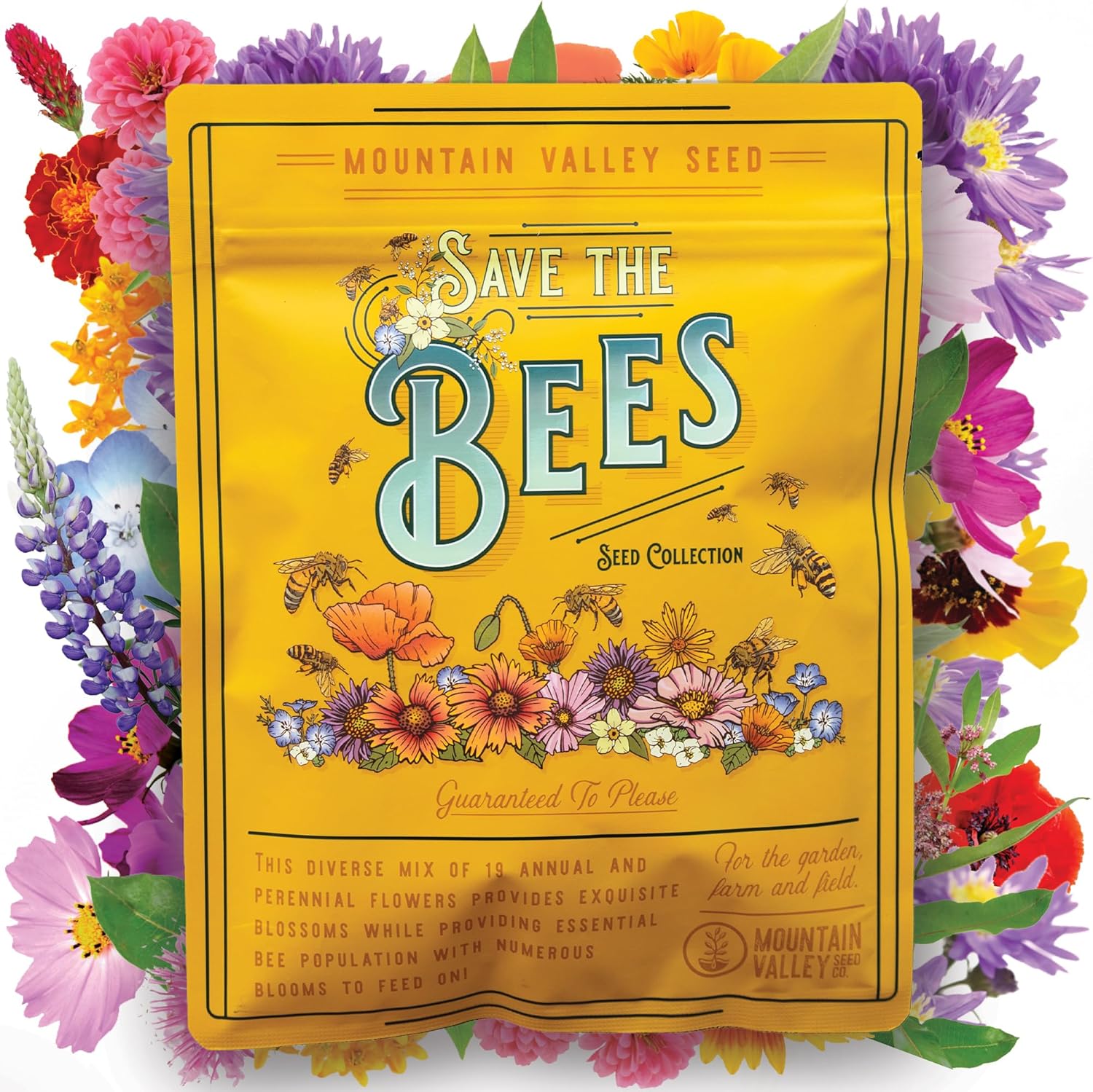
A wildflower bee seed mix gives you an easy way to plant multiple bee-friendly flowers at once without fussing over individual species or varieties. Scatter the seed in a sunny spot near the hive in spring or fall, and you'll have blooms across multiple seasons with minimal maintenance.