How to Release the Queen After Installation
When you install a new queen into an established colony or a new package of bees, she arrives in a small queen bee cage—a protective container that lets the colony get used to her smell before she’s released. You’ll need to decide whether to let her out immediately or wait a few days while the bees gradually eat through candy to free her. This choice depends on how aggressive the colony is and how well the queen and workers know each other.
Direct Release vs. Candy Release
Direct release means opening the cage and letting the queen walk out right away. This works best if you’re adding a queen to a package of bees (all new bees, no established colony) or if you’re very confident the workers won’t attack her. The advantage is speed—no waiting around, and the queen can start laying eggs sooner.
Candy release is safer for most situations. The queen bee cage has a small plug of candy (usually fondant) that the bees eat through over 2–4 days. As they eat, they gradually release the queen while becoming familiar with her pheromones. By the time she’s free, the colony usually accepts her peacefully. This method works well when introducing a queen to an existing colony, which is the trickier scenario. The downside is you have to wait longer and check on things more carefully.
For beginners, candy release is the smarter choice most of the time. It’s more forgiving if something goes wrong, and it gives the colony time to adjust.
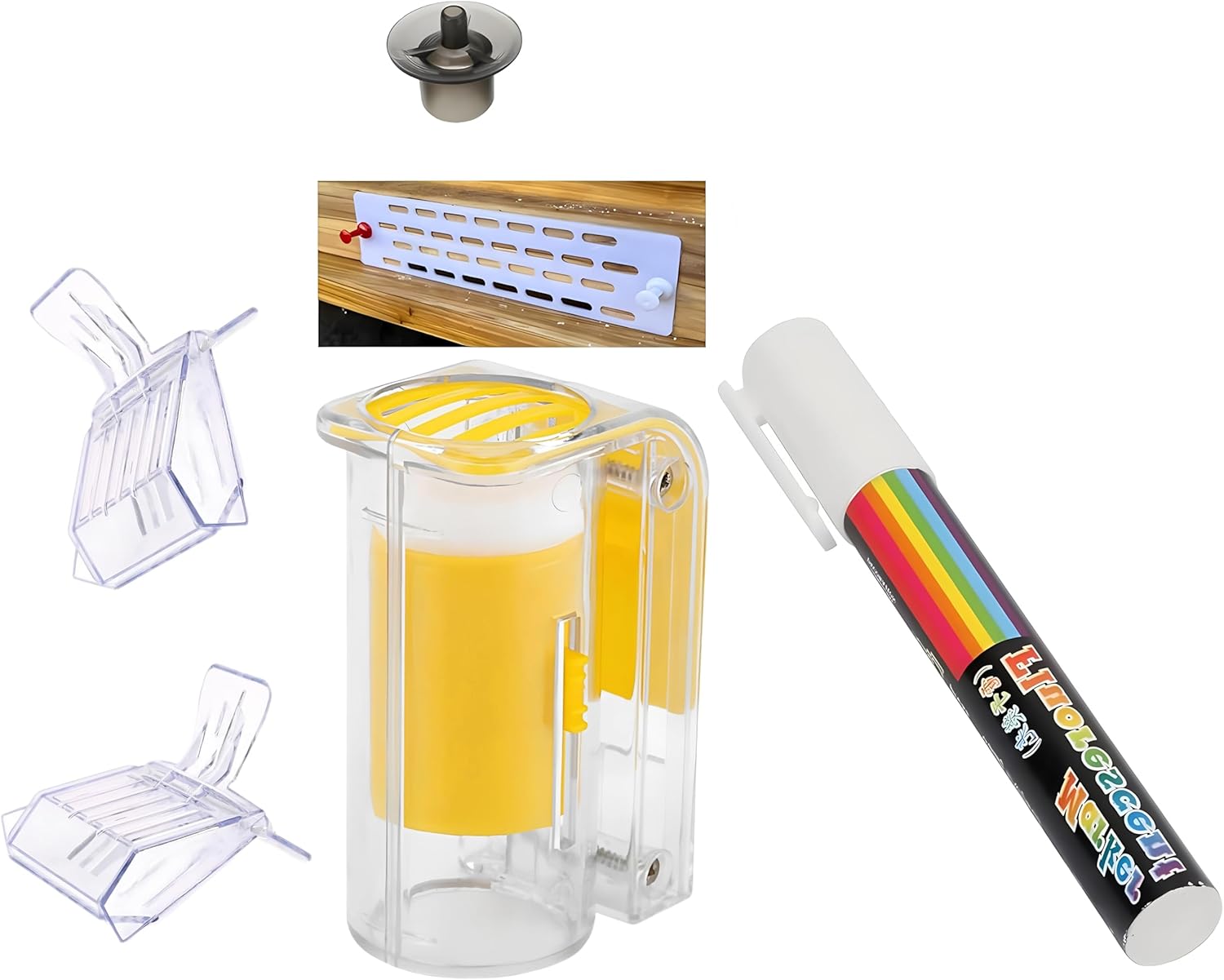
A queen bee cage is the standard plastic or wooden container that ships with a mated queen or package bees. It holds the queen and 2–3 attendant bees safely and lets you control when she meets the colony, making it essential for any queen introduction.
Timing the Release Correctly
If you’re doing direct release, do it right after installation—no point in delaying. Just gently shake the queen and a few attendant bees (the small group of worker bees inside the cage that feed and tend to the queen during transit) out of the cage onto the top bars (the wooden bars that run across the top of each frame inside the hive) of the brood nest (the area of the hive where the queen lays eggs and young bees develop). She’ll walk down into the frames naturally.
For candy release, install the queen in the afternoon or evening so she spends her first night in the cage. This calms things down. Then leave her alone for 2–4 days before you check. Don’t open the hive every day to peek—you’ll just stress the bees. On day 3 or 4, open the hive and look at the queen bee cage. If the candy is mostly eaten away and there are no dead bees around the cage, the queen has likely been released and accepted. If the candy is still intact, give it another day or two.
Never release the queen during a nectar dearth (a time when flowers aren’t blooming). The colony will be stressed and more likely to reject her. Spring and early summer are ideal. Also avoid releasing during rain or very cold weather—pick a warm, calm day when foragers (bees that leave the hive to collect nectar, pollen, and water) are out.
Signs the Colony Has Accepted Her
The best sign is that you don’t see her being attacked. When you check the hive 3–4 days after installation, look for the queen walking freely on the frames. If she’s moving around and the workers aren’t balling up around her (forming a tight cluster), she’s accepted.
Within about a week to ten days, you should see the first eggs—though the exact timing can vary depending on the queen’s age and hive conditions. This is the clearest proof she’s settled in and the colony trusts her. If you see eggs in a scattered, random pattern rather than in neat clusters, that’s actually a sign of a problem—it might mean a worker bee is laying instead of the queen, which happens if the queen died or was rejected.
The colony’s behavior will also calm down. Right after installation, bees are often agitated. After acceptance, they’ll return to normal foraging patterns and hive activity. You won’t see guard bees acting defensive at the entrance.
What to Do If She Isn’t Accepted
If you open the hive and find the queen dead or balled up (surrounded by workers in a tight cluster), the colony rejected her. This is rare with candy release but does happen.
First, don’t panic. If the queen is dead, remove her and the queen bee cage. Order a replacement queen immediately from a reputable breeder. A new queen should arrive within a few days.
If the queen is still alive but balled, you can try to save her. Gently spray the cluster with a little water or smoke to make the bees loosen their grip. Let the queen walk out and return her to the cage with fresh candy. Try again in 2–3 days. Some queens need a second attempt.
If rejection happens twice, the colony may have a problem (disease, bad genetics, or a laying worker already present). Consider combining that colony with a strong one instead of trying again.