Entrance Feeder vs. Top Feeder vs. Frame Feeder Comparison
When you’re starting out, you’ll probably wonder whether to feed your bees at all, and if so, which feeder to use. The truth is: most beginners don’t need to feed during the active season if they have enough forage nearby, but feeding becomes essential in spring (to build up the colony) and fall (to help bees survive winter). The three main feeder types—entrance, top, and frame—each have different trade-offs in capacity, ease of use, and how much they stress your bees.
Capacity Differences
Entrance bee feeders are shallow trays or boxes that sit at the hive entrance and typically hold 1–2 quarts of syrup. They’re small by design, which means you’ll be refilling them frequently—sometimes every few days during heavy feeding periods. This limited capacity makes them better for short-term feeding (a week or two) rather than sustained nutrition.
Top feeders mount directly on top of the hive body under the outer cover, replacing the inner cover, and usually hold 2–5 quarts depending on the model. This gives you more capacity than an entrance feeder, so you can go longer between refills—often a week or more. The trade-off is that you must open the hive to install or service the feeder, though the higher capacity means you do this less often than with an entrance feeder.
Frame feeders sit inside the hive like a frame and hold roughly 2–3 quarts. They’re a middle ground in capacity. Because they’re inside the brood box, they take up space where a frame of brood or stores could go, which matters in smaller hives or when space is tight.
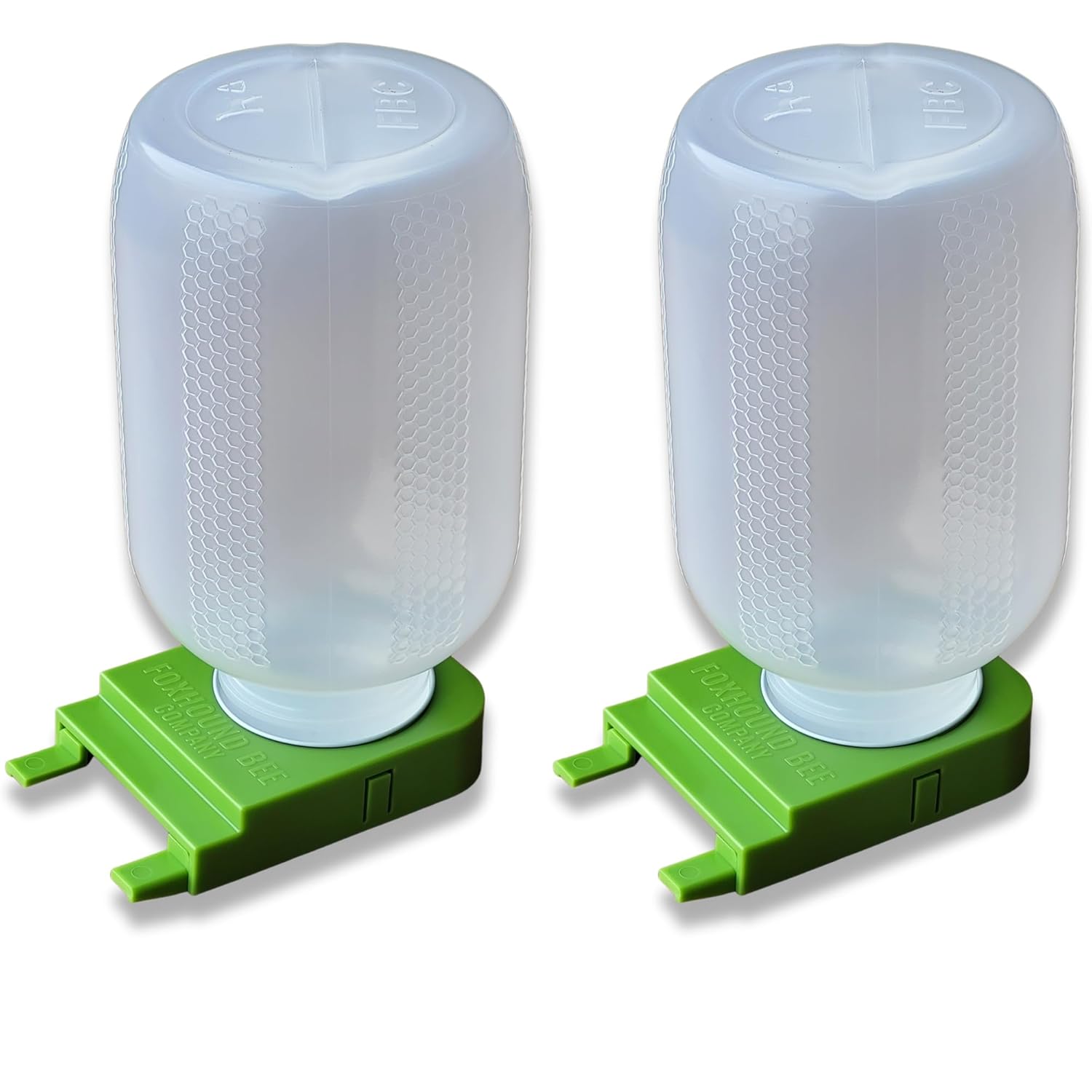
An entrance bee feeder is a simple plastic or wooden tray that costs $10–20 and requires no installation. It's ideal if you need to feed for just a week or two in spring or want a backup feeder, but avoid relying on it for fall feeding when robbing pressure is high.
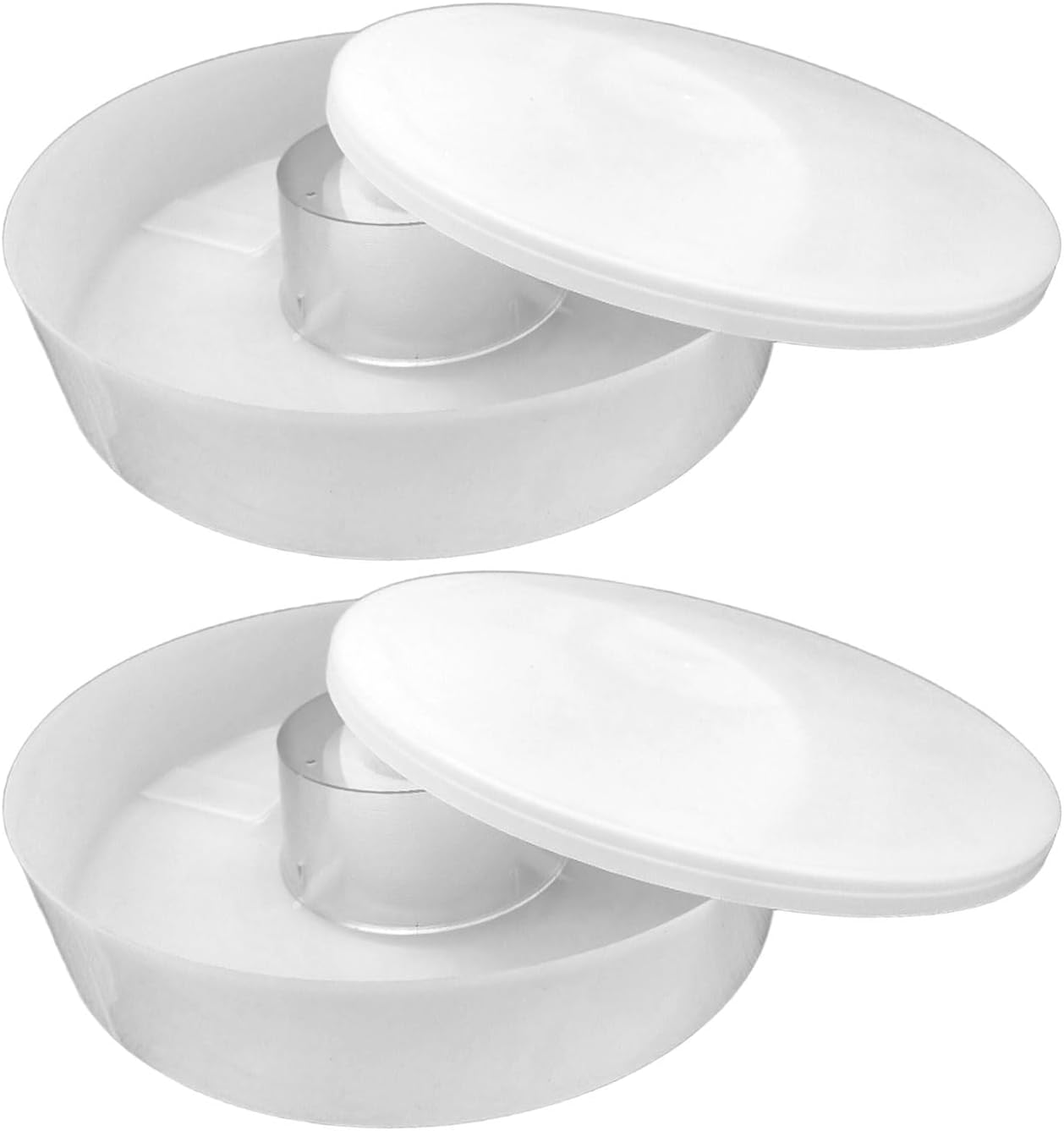
A top bee feeder is a box that sits on top of the hive and holds 2–5 quarts, usually costing $15–30. It's a solid middle-ground choice for beginners doing spring or fall feeding because it reduces robbing risk while holding enough syrup to go a week between refills.
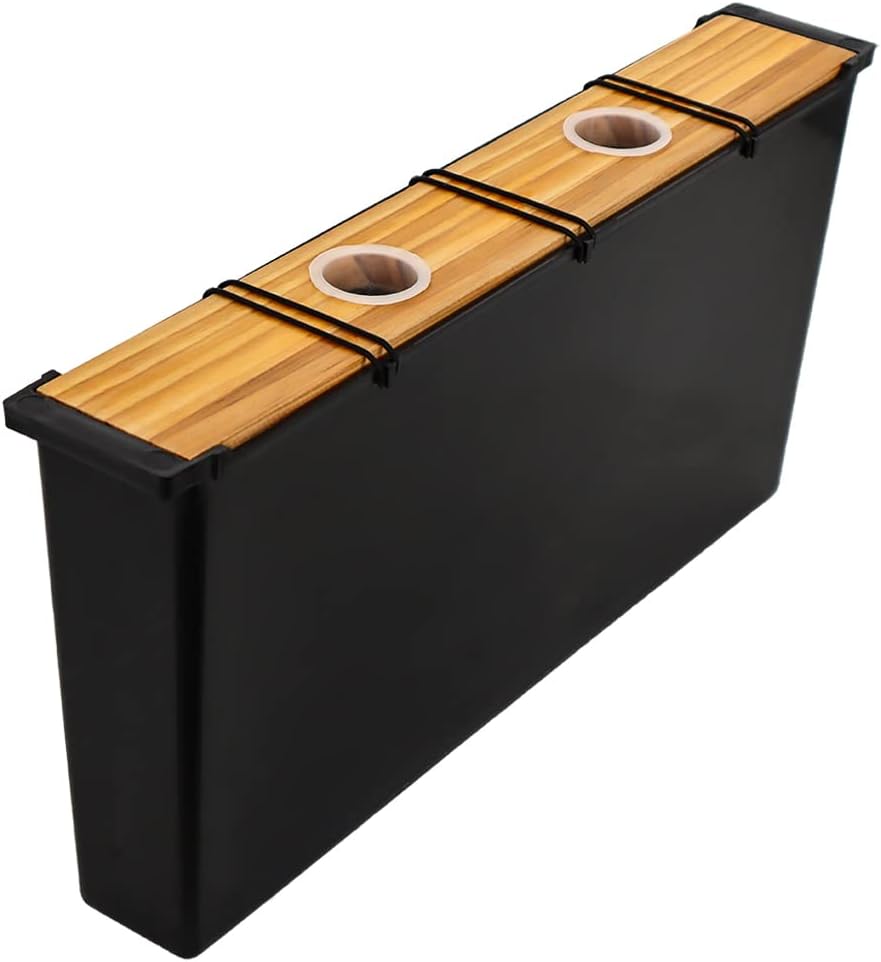
A frame bee feeder is a plastic or wooden insert that holds 2–3 quarts and costs $10–25. Use it if you're already opening the hive for inspections and want to feed at the same time, or if you're concerned about robbing and don't mind the extra hive opening.
Robbing Risk by Feeder Type
An entrance bee feeder is the riskiest option for robbing—the exposed syrup at the hive entrance attracts bees from neighboring hives or feral colonies. During late summer and fall, when natural food sources dwindle, robbing can spiral quickly and weaken your colony. You can reduce this risk by only feeding in the evening or by narrowing the hive entrance during feeding periods, but the risk never fully disappears.
Top feeders are safer because the syrup is enclosed and bees access it from inside the hive. Robber bees can’t simply land on exposed sugar water. However, top feeders still require you to open the hive to install or refill them, which briefly exposes the interior and can attract nearby bees to the scent of syrup.
Frame feeders are the safest option for robbing because they’re completely inside the hive and sealed off from the outside. No robber bees can access the syrup directly. The main downside is that you have to open the hive to insert or remove the feeder, which does create a brief disturbance.
Ease of Refilling
Entrance bee feeders are the quickest to refill—you simply lift the tray, pour in syrup, and set it back down. No hive opening required. This speed is their main advantage, especially if you’re feeding multiple hives or doing frequent small refills. The downside is that you’ll be doing this often.
Top feeders require you to remove the outer cover and then pour syrup directly into the feeder’s reservoir. This takes only a minute and, importantly, does not require you to disturb the frames or bees inside the brood box. Many beekeepers find this a good compromise between access and disturbance, particularly when managing several hives.
Frame feeders require you to open the hive, remove a frame, slide the feeder in, and remove it again when empty. This is the most hands-on approach and creates the most disruption to the colony. However, if you’re already doing a hive inspection, adding a frame feeder refill takes just a minute or two extra.
Side-by-Side Comparison Table
The table below summarizes the key differences across all three feeder types. Use it as a quick reference when deciding which feeder fits your situation—consider your hive count, how often you’re willing to visit, and whether robbing pressure is high in your area.
Keep in mind that no single feeder is best for every situation. Many experienced beekeepers own more than one type and switch based on the season or the needs of a particular hive. The entrance feeder is a practical starting point for new beekeepers doing short-term spring feeding; the top feeder suits those who want to minimize hive visits during a sustained fall feed.
| Feature | Entrance Bee Feeder | Top Feeder | Frame Feeder |
|---|---|---|---|
| Capacity | 1–2 quarts | 2–5 quarts | 2–3 quarts |
| Refill frequency | Every 2–4 days | Every 5–7 days | Every 3–5 days |
| Robbing risk | High | Medium | Low |
| Hive opening needed | No | Yes | Yes |
| Setup difficulty | Easiest | Medium | Medium |
| Best for | Quick short-term feeding | Sustained feeding with fewer refills | Feeding + hive inspection combined |
| Space inside hive | None | None | Takes up one frame slot |