How Many Bees Are in a Hive?
A healthy honeybee colony is a living, breathing organism that grows and shrinks with the seasons. The number of bees in your hive will swing dramatically—from a few thousand in winter to 60,000 or more in summer—and that’s completely normal. Understanding these population cycles helps you spot problems early and know what to expect when you open the hive.
Typical Population by Season
Bee populations follow the flowering calendar and daylight hours, not the calendar on your wall. In spring, as flowers bloom and days lengthen, the queen ramps up egg-laying and the colony explodes in size. By early summer, you’ll hit peak numbers. Then in late summer and fall, as nectar dries up and daylight shrinks, the colony deliberately shrinks down. Winter populations are the smallest—the colony clusters tight to survive cold months with minimal food consumption. This cycle repeats every year, and it’s one of the most reliable patterns in beekeeping.
Peak Summer Population
At the height of summer, a strong colony can contain 60,000 to 80,000 bees, though 50,000 is a solid healthy number for a beginner hive. This is when the colony is at its most productive—lots of foragers bringing in nectar and pollen, lots of nurse bees caring for brood, and lots of guard bees protecting the entrance. A 10 frame Langstroth beginner hive kit will be nearly full of bees at this point, often filling both the lower brood box and the upper honey super. Don’t be alarmed by the sheer number; it’s a sign of success. You’ll notice the hive is loud, active, and covered in bees whenever you crack it open. If your summer colony is noticeably smaller—say, fewer than 30,000 bees—it usually means the queen is weak, the colony swarmed, or disease is present.
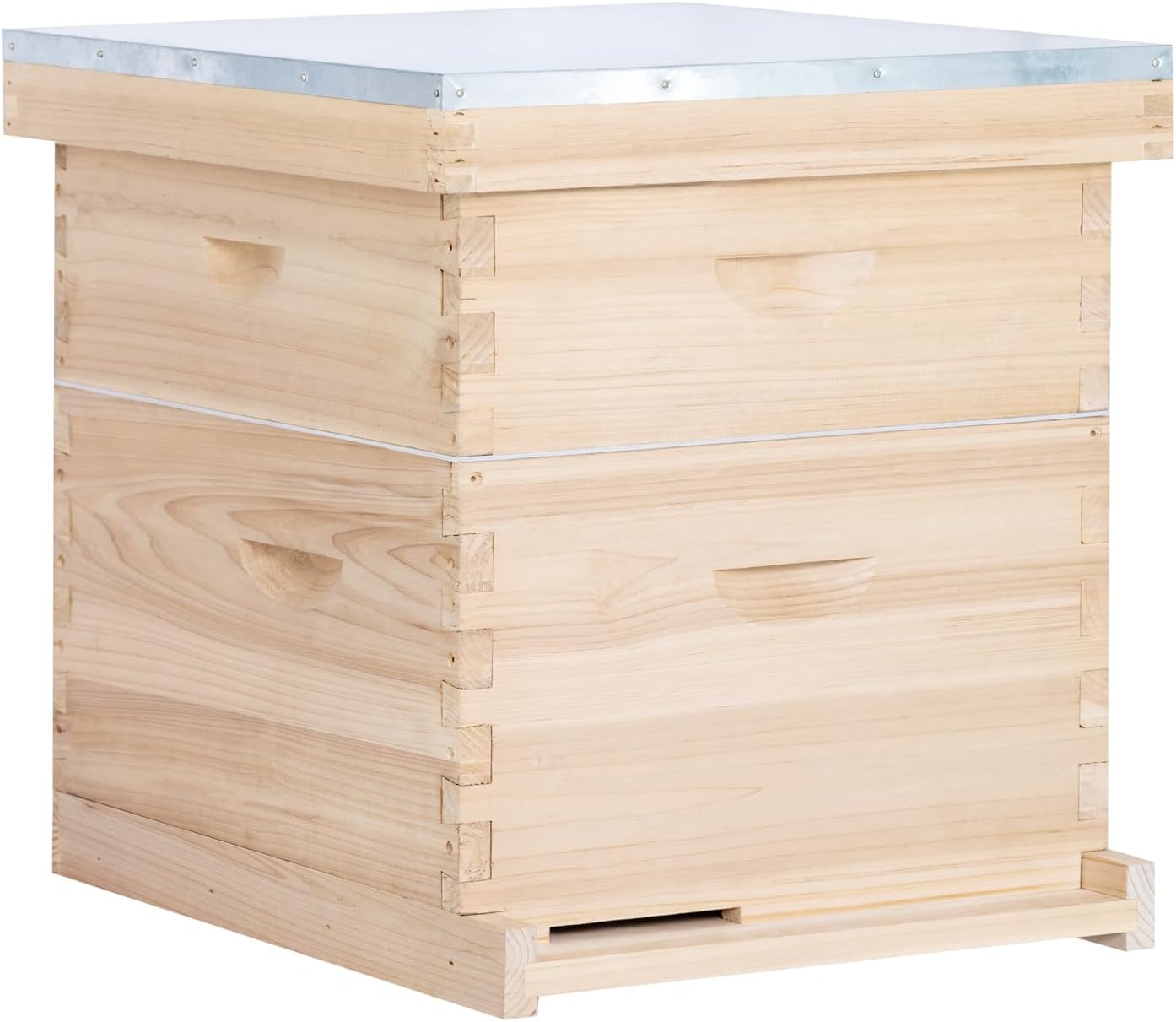
A 10 frame langstroth beginner hive kit gives you the standard box size that most beekeepers use, making it easy to find replacement parts and swap frames with other beekeepers if needed. The kit typically includes two boxes (one for brood, one for honey), frames, and a bottom board, which is all you need to start; you'll add a queen and package of bees separately, and the kit's two-box setup handles typical population swings from spring through winter without fuss.
Winter Cluster Population
By November or December, depending on your climate, the colony shrinks to 10,000–20,000 bees. These bees cluster together in a tight ball around the brood, generating heat by vibrating their flight muscles. They don’t fly or forage; they just huddle, eat stored honey, and wait. This is why winter losses are so common for beginners—a small population can’t generate enough heat if the hive is poorly insulated or if they run out of food. In a 10 frame Langstroth beginner hive kit, you’ll typically see the cluster occupying just a few frames, not the whole box. This is normal and healthy. The bees are incredibly efficient at surviving this way, but they need adequate honey stores and protection from wind and moisture. The right amount of stored honey varies considerably depending on your region and the length of your winters—check with local beekeepers or your local cooperative extension service for guidance specific to your area.
How Population Reflects Hive Health
A sudden population crash is always a red flag. If you inspect in June and see only 15,000 bees when you saw 50,000 in May, something went wrong—the queen may have failed, the colony may have swarmed without your knowing, or disease may be present. Conversely, slow growth in spring (still under 20,000 bees by late April) suggests a weak or failing queen. Healthy colonies also show a clear brood pattern: eggs and young larvae occupy the center of frames, with capped brood (older larvae that have been sealed in their cells to complete development) surrounding them toward the outer edges of the brood area. If the brood pattern is spotty or scattered, the queen may be struggling. Population alone doesn’t tell the whole story, but it’s one of the easiest health checks you can do. A beginner should aim for a colony that reaches at least 40,000 bees by mid-June and maintains 15,000+ through winter.