Best Beehives for Hot Climates
If you keep bees in a hot climate—anywhere with sustained temperatures above 85°F or intense, direct sun—your hive design matters more than it does in temperate regions. Heat stress is a serious threat to colonies, so choosing the right hive type isn’t optional; it’s foundational. This guide covers what actually works and what’s hype.
Best Overall Hot-Climate Hive
The ventilated beehive is purpose-built for hot regions and performs better than standard Langstroth boxes in heat. It uses internal air channels or slats to create passive airflow without requiring bees to spend energy fanning, which keeps the colony cooler and reduces water loss. The design maintains structural integrity in extreme heat because the ventilation prevents the temperature differential that causes comb to sag or collapse.
If you’re in a genuinely hot climate, a ventilated beehive is worth the extra cost— typically $50–100 more than a standard box. It reduces colony stress, lowers swarming risk, and improves brood survival during heat waves. You don’t need multiple ventilated boxes; one or two as your brood chamber (the lower boxes where the queen lays eggs and bees raise young) will do most of the work. Supers (honey boxes) above can be standard equipment.
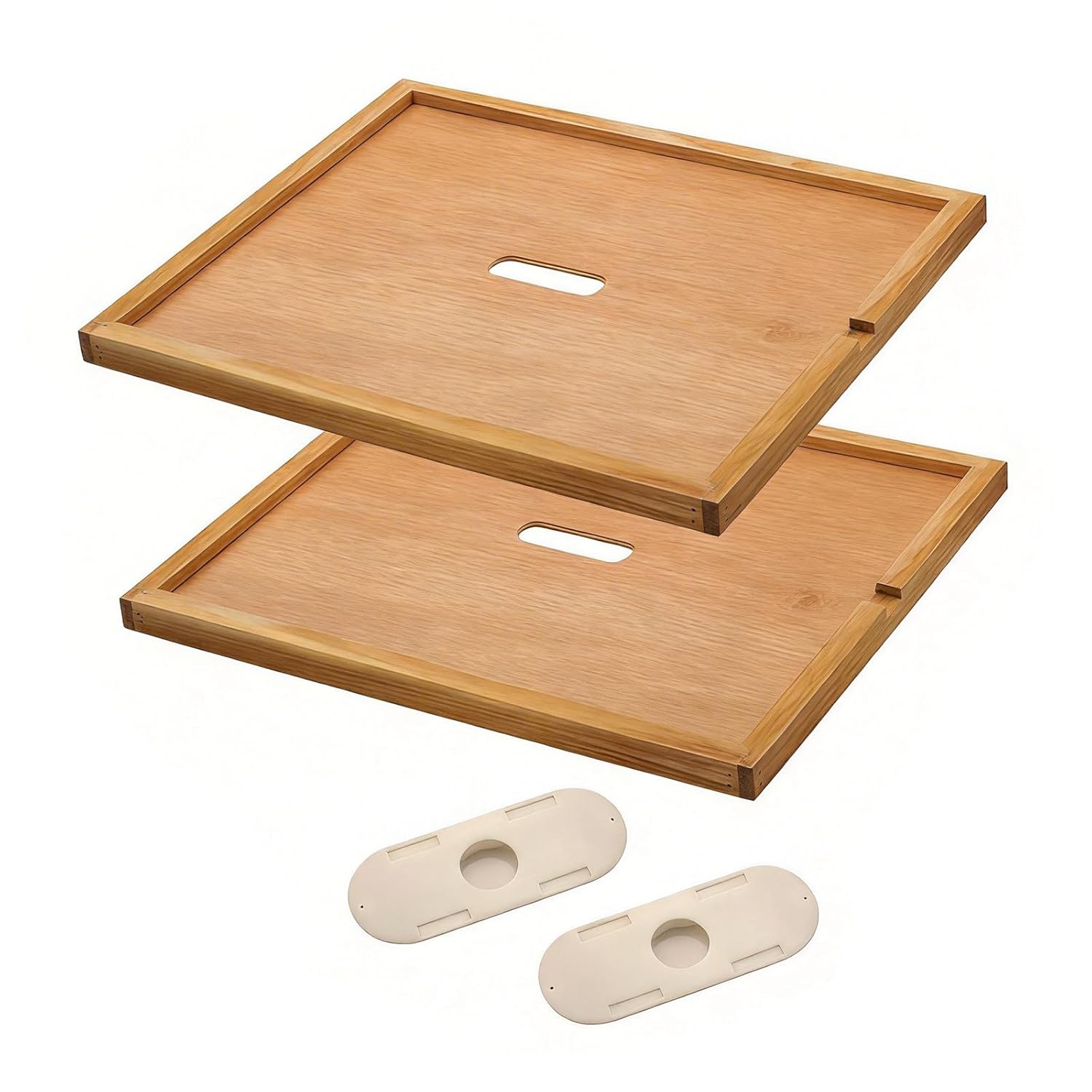
A ventilated beehive designed for hot climates uses internal wooden slats or channels to promote passive airflow without requiring bees to fan constantly, keeping colony temperature lower and reducing stress during heat waves. Most models cost $150–250 and work well as a primary brood box; you can use standard equipment for honey supers above.
Best Ventilated Hive Option
The ventilated beehive comes in several designs, but the most reliable for beginners use fixed wooden slats or channels built into the box walls. Look for models where ventilation runs along the sides or top rather than just the bottom—this prevents hot air from pooling at the top of the hive. Some versions include removable panels so you can adjust ventilation seasonally, which is useful if you live somewhere with both hot summers and cold winters.
Avoid overly complex ventilation systems with multiple moving parts; they’re harder to maintain and don’t perform significantly better. A simple, passive design works best. When shopping, check that the ventilation doesn’t compromise structural strength—the box should feel as solid as a standard hive. Ask the seller whether the design has been tested in temperatures matching your region.
What to Look for in Hot-Climate Hive Design
Thick walls (at least 1.5 inches) help insulate against heat and reduce internal temperature swings. Light-colored exterior paint or stain reflects sunlight and can meaningfully lower internal temperatures compared to dark hives. Ensure the hive has adequate roof overhang to shade the entrance and upper boxes.
A screened bottom board is essential in hot climates—it allows air to flow underneath the hive and gives bees an escape route for hot air. Solid bottom boards trap heat and moisture, making the hive feel like an oven. Make sure the screen mesh is fine enough to keep out pests but open enough for airflow; 1/8-inch hardware cloth is standard.
Check that the hive design allows for easy water access. Some beekeepers add a small trough or shallow pan of water near the entrance in extreme heat. The hive should also have removable frames so you can inspect for heat stress without dismantling the whole box.
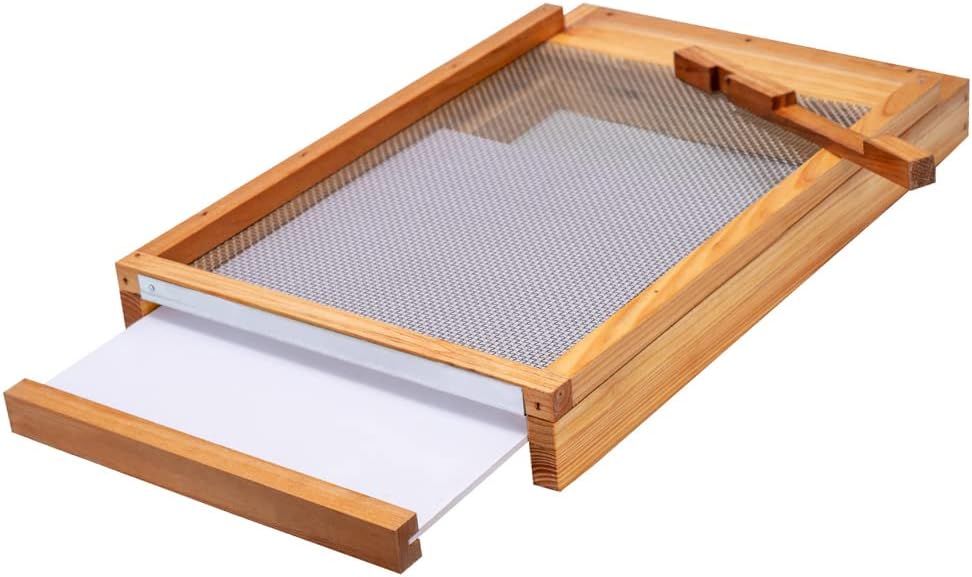
A screened bottom board replaces the solid floor of your hive and allows hot air to escape while improving ventilation underneath the colony. This is one of the cheapest and most effective upgrades for hot climates, typically costing $20–40, and it pairs well with any hive design to reduce heat buildup.
Preventing Comb Collapse in Extreme Heat
Comb collapse happens when wax softens and the weight of honey or brood causes cells to buckle. In hot climates, this is less a design problem and more a management problem—but good hive design reduces risk. A ventilated beehive keeps internal temperatures lower than standard boxes, which is often enough to prevent collapse.
Provide shade: position hives so they get morning sun but afternoon shade, or use shade cloth in peak summer. Never paint hives black or dark colors in hot regions. Ensure bees have constant access to water—dehydrated colonies are more prone to comb failure.
Don’t overfill supers with honey. In extreme heat, a super that’s 80% full is safer than one packed solid because it allows some air circulation. If you see sagging comb during an inspection, reduce the hive’s population by splitting it or removing frames temporarily until cooler weather returns.