Best Hive Stands to Prevent Pests
A hive stand does one main job: keep your bees and their home off the ground where pests, moisture, and rot cause problems. The good news is that a beginner doesn’t need anything fancy or expensive—a simple elevated platform works just fine, and you can build one yourself for under $50.
Best Overall Pest-Resistant Stand
The most effective hive stand is one that sits 12–18 inches off the ground and has legs that pests can’t easily climb. An elevated hive stand accomplishes this by lifting your box high enough that ground-dwelling pests like skunks and raccoons have a harder time reaching the entrance. The stand should be stable enough not to wobble in wind, and ideally made of rot-resistant wood or metal so it lasts several seasons without falling apart.
Concrete blocks or wooden pallets work, but they’re not ideal. Concrete blocks can create an uneven, unstable base and promote a damp microclimate directly under the hive; wooden pallets retain moisture and can rot over time, and their irregular surface makes leveling difficult. A real stand—even a simple one—pays for itself by keeping your hive healthy longer. Look for designs with four sturdy legs and a platform just wide enough for your hive box, nothing oversized. Ventilation underneath matters too; you want air to flow, not puddles collecting under the hive.
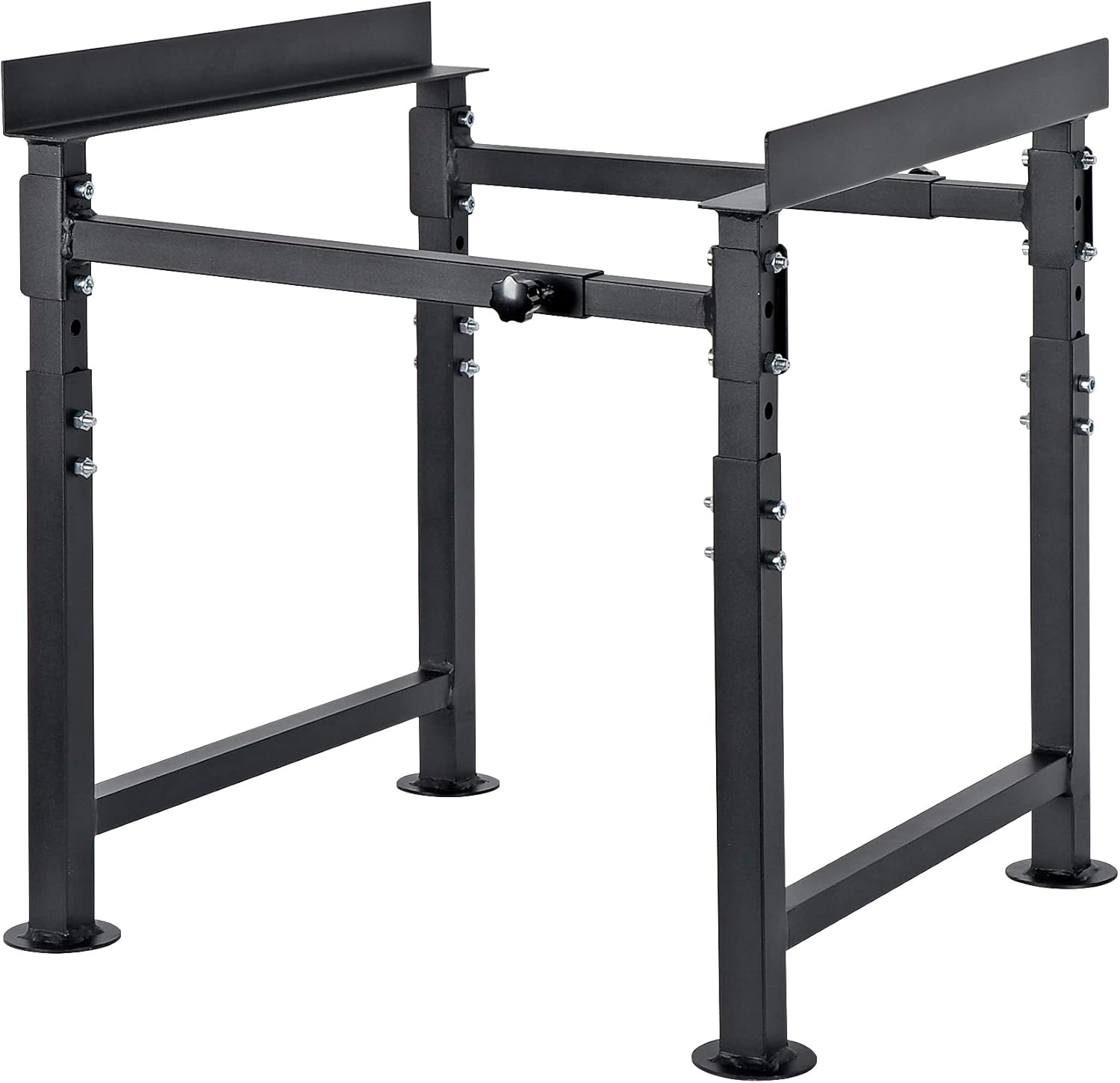
A metal hive stand pest-resistant design lasts longer than wood in wet climates and typically costs $80–120. Metal doesn't rot, doesn't need staining, and handles moisture better, making it a good investment if you plan to keep bees for many years.
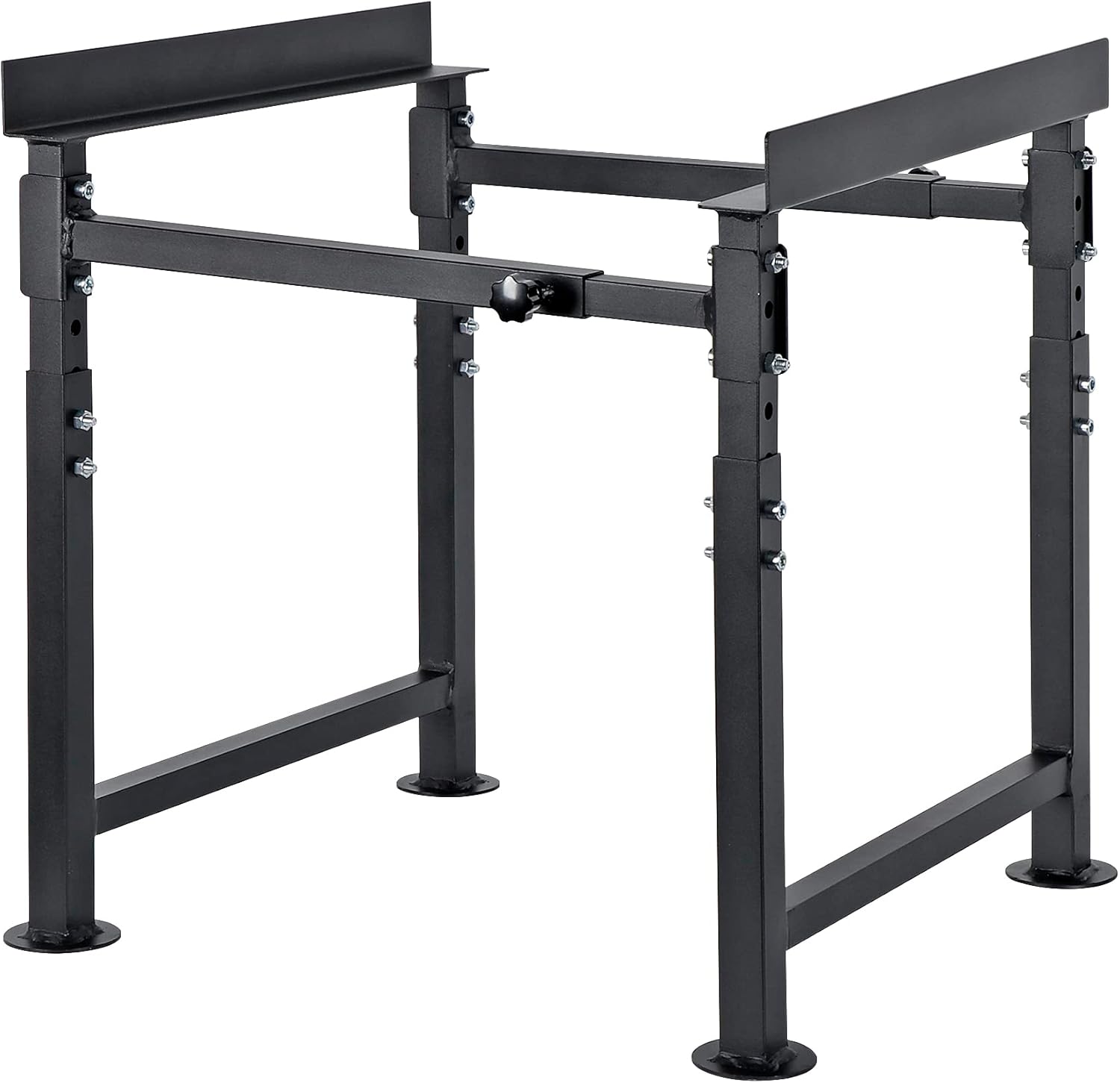
An elevated hive stand is a solid middle-ground choice—usually around $70–90, comes ready to use, and holds one or two hive boxes without wobbling. Most are made from pressure-treated wood or metal, and they're tall enough to keep ground predators at a distance while still being easy to work with.
Best Budget Option
If you’re spending less than $75, build your own stand from pressure-treated lumber—use above-ground-rated stock (look for “above ground use” on the label) and a simple frame of 4x4 posts and 2x8 boards. Cut four legs to about 16 inches, attach a rectangular frame on top using lag bolts, and you’re done. This takes an afternoon and a basic drill. The total cost is usually $30–50 depending on what lumber you already have on hand. Avoid placing pressure-treated wood in direct contact with hive boxes themselves; the stand supports the hive from below, which is fine.
Alternatively, buy a metal hive stand from a beekeeping supplier. These typically cost $60–90 and come pre-assembled, which saves time if you don’t want to build. Metal stands last longer than wood in wet climates and don’t need replacing as often. Either way, you’re not overspending for something that just needs to hold your hive steady and off the ground.
Height and Material Considerations
Twelve inches is the bare minimum; 18 inches is better if you have ground predators like raccoons in your area. At 18 inches, most four-legged animals find it significantly harder to reach the entrance, and you can also walk underneath to inspect for debris or pests. Taller stands (20+ inches) are harder to work with when you’re lifting heavy boxes, so don’t go overboard.
Material choice depends on your climate. Pressure-treated wood is affordable and widely available, but even treated lumber will eventually degrade in persistently wet conditions, so inspect it annually and replace any soft or crumbling sections. Metal or composite stands cost more upfront but require less maintenance over time. Concrete blocks under each leg are cheap but they wick moisture into wood and create a damp microclimate. Avoid anything that traps water or creates a gap where pests can hide. Sloped or open-bottom designs are better than solid platforms because they let rain drain and air flow underneath.
DIY vs. Purpose-Built Stands
Building your own stand makes sense if you have basic tools and want to save money. A simple four-legged frame takes two hours and costs $30–50. You control the exact height and size, and you can repair it yourself if something breaks. The downside: you need to get the legs level and sturdy, or your hive will rock in the wind.
Purpose-built stands are faster and more polished, but they’re not necessary for a beginner. You’re paying for convenience and durability, not pest prevention—a well-built DIY stand prevents pests just as well. If you’re short on time or tools, buy one. If you enjoy building and want to save money, DIY is the smarter choice. Either way, the stand itself doesn’t prevent pests; what matters is that it’s elevated and stable.