Planting a Bee-Friendly Garden by Season
A bee-friendly garden is genuinely helpful to your local pollinators, but it’s not required to keep bees. If you’re a beginner beekeeper, focus first on getting your hive healthy and your beekeeping routine solid—a garden is a nice-to-have, not a must-have. That said, if you have the space and interest, planting flowers that bloom across the seasons ensures your bees have consistent food sources when forage is scarce.
Early Spring Bloom Choices
Early spring is when bees emerge hungry after winter and need pollen and nectar to rebuild their strength. Crocuses, hellebores, and pussy willow bloom earliest and are reliable choices. Pulmonaria (lungwort) flowers in late winter into early spring and provides crucial early food. Snowdrops and winter aconite are also valuable, though less showy.
Plant these in clusters of the same flower rather than scattered singles—bees find grouped flowers more efficiently. Early bloomers are often low-growing, so place them where they catch morning sun; bees are more active in warmth. If you’re buying perennial bee-friendly flower seeds, choose varieties labeled for early bloom or winter hardiness. Aim to have something flowering by late February or early March if you’re in a mild-winter climate, or by late March to April in colder temperate zones. Don’t worry about perfection here; even a small patch of early crocus helps.
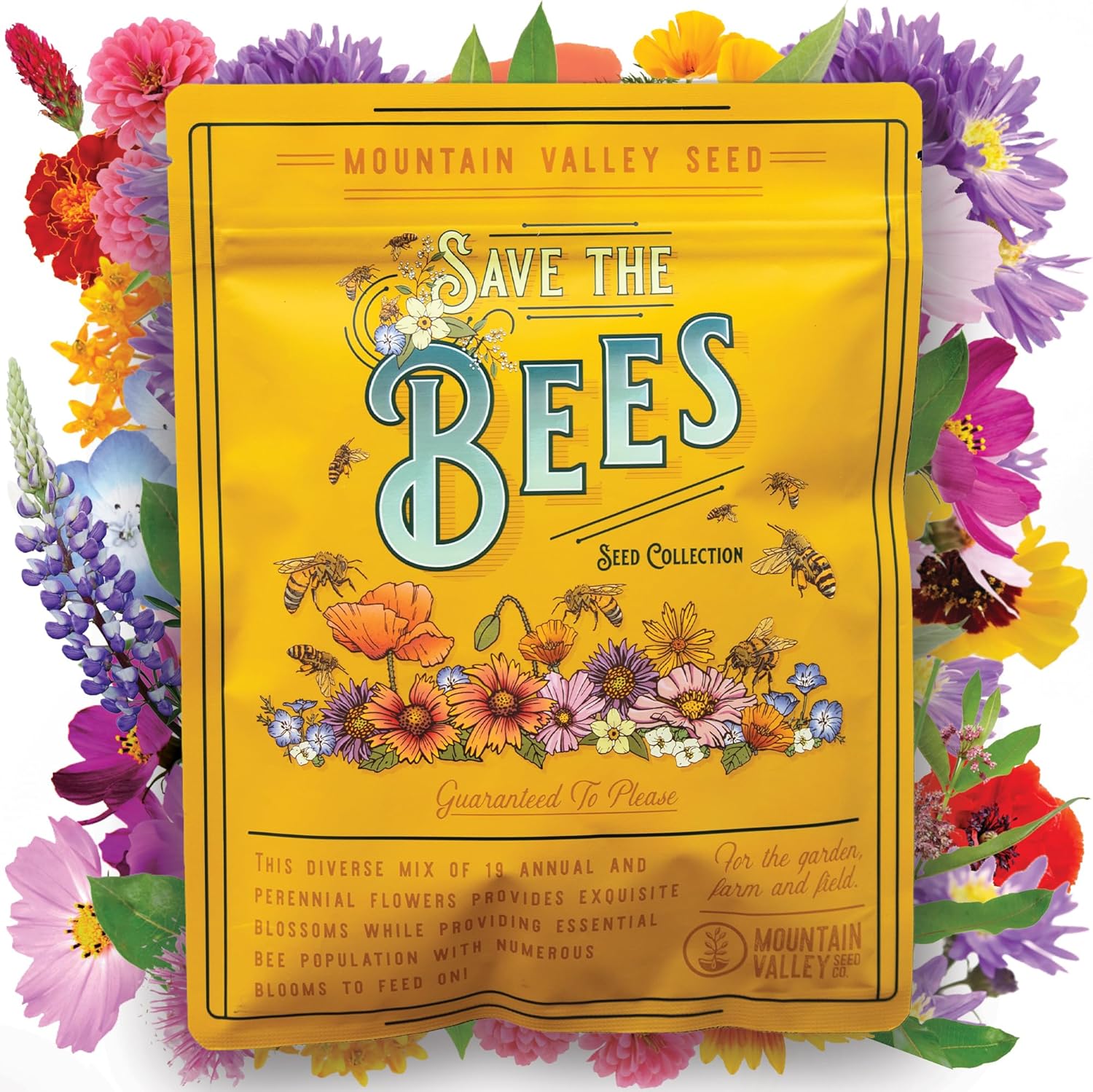
Perennial bee friendly flower seeds are ideal if you want a low-maintenance garden that comes back year after year. Once established, perennials need less attention than annuals and provide reliable blooms in the same window each season, making them perfect for planning continuous forage.
Summer Bloom Choices
Summer is when bees have the most forage naturally available, but you can still support them with reliable bloomers. Lavender, borage, and phacelia are excellent and flower for weeks. Sunflowers (both tall and dwarf varieties) are outstanding—bees love them and they’re easy to grow from seed. Cornflowers, cosmos, and zinnias are also strong performers.
Bees prefer flowers with open centers where they can access pollen easily, so avoid heavily doubled or ornamental varieties. Plant in drifts—loose groupings of 3 to 5 plants of the same type—so bees can spot them easily. Summer bloomers are forgiving; most tolerate average soil and don’t need fussing. Deadhead spent flowers (pinch or cut off the old blooms) to encourage more blooms. If you’re using annual bee-friendly flower seeds, you can sow them directly into the ground after the last frost date—no special equipment needed. The key is choosing flowers that bloom continuously rather than all at once.
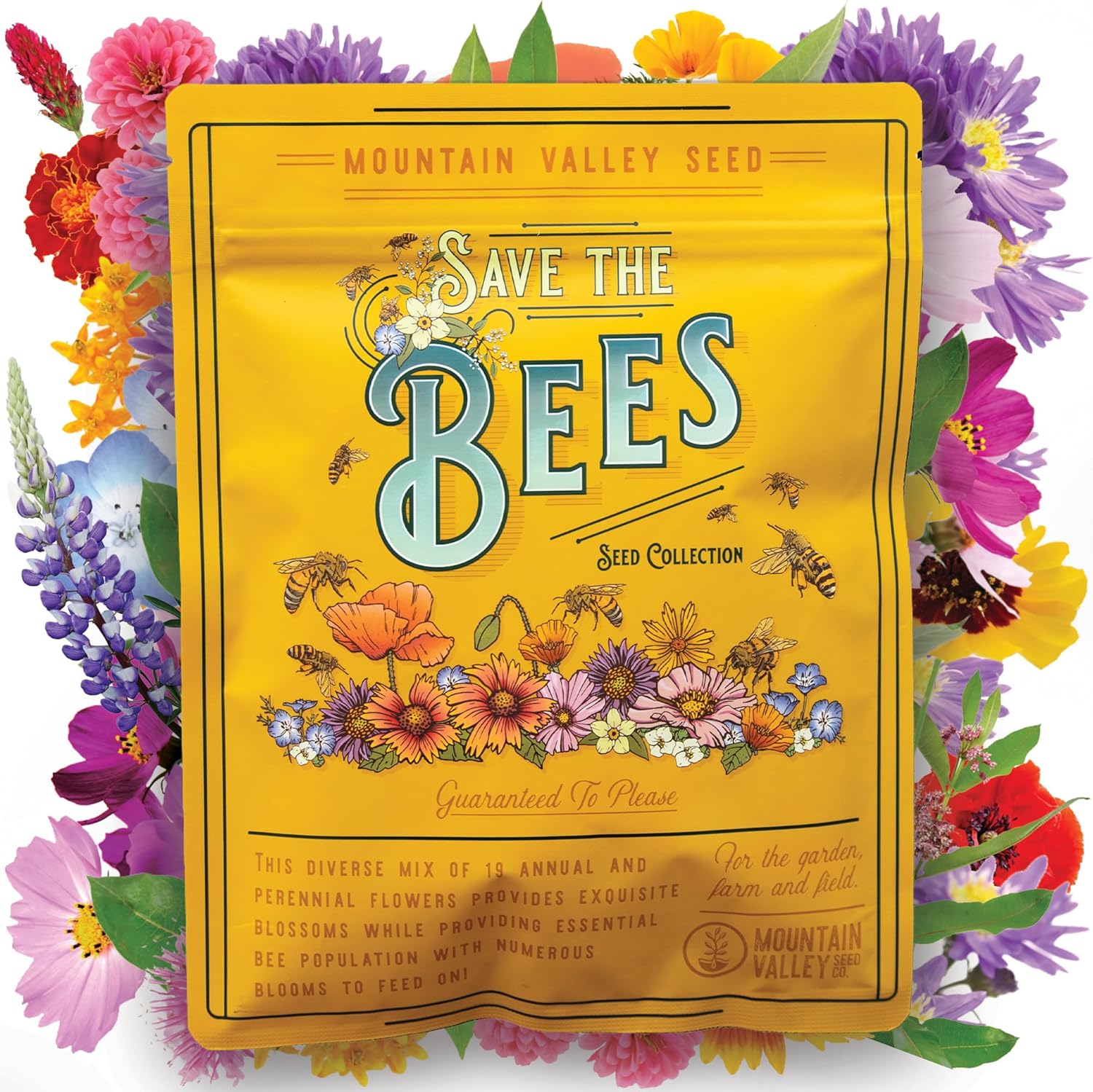
Annual bee friendly flower seeds let you experiment and adjust your garden each year without commitment. They're cheaper upfront, often bloom longer if deadheaded, and let you fill gaps quickly—though you'll need to replant each spring.
Fall Bloom Choices
Fall is the second critical gap period. Bees need to build up stores before winter, and natural forage dwindles. Asters, goldenrod, and sedum bloom reliably into October and even November in mild areas. Joe-Pye weed and ironweed are tall, dramatic, and excellent. Rudbeckia (black-eyed Susan) often reblooms if you deadhead in summer.
Fall bloomers are often tough perennials that need little care once established. Plant them in spring or early summer so they’re established before their bloom time. Avoid hybrid ornamental mums if possible—many have been bred for looks, not nectar production. Stick with species types or simple, open-faced varieties.
Avoiding Gaps in Continuous Forage
The real work is thinking in seasons, not planting randomly. Map out what blooms when by writing down your plant choices and their typical bloom months. Early spring (Feb–April), early summer (May–June), mid-summer (July–August), and fall (Sept–Nov) are your target windows. Aim to have at least one type of flower blooming in each window.
Don’t plant everything at once. Stagger sowings of annual bee-friendly flower seeds every two weeks from late spring through early summer to extend bloom time. For perennials, buy a mix of early, mid, and late varieties. Keep notes on what worked and what didn’t—your garden will improve each year without extra effort. Native plants to your region are almost always easier and more reliable than exotic ornamentals. If you have only a small space, focus on fall and early spring, when natural forage is genuinely scarce.