Best Ant Barriers for Beehive Stands
Ants are a real problem for beekeepers, especially in warm climates — they can invade hives to steal honey and brood, and a large enough invasion can stress a colony enough to cause it to abscond. The good news is that a simple barrier around your hive stand stops most ant invasions without chemicals or fuss. You don’t need anything fancy; a few dollars’ worth of the right setup works just as well as expensive alternatives.
Best Overall Ant Barrier
A water-based moat is the most reliable long-term solution. You place a shallow container (like a plant saucer or specially designed tray) under each hive leg, then fill it with water. Ants cannot cross water, so they simply turn back. The barrier works immediately and requires no toxic chemicals — just water refills every week or two depending on heat and evaporation.
The main advantage is simplicity and safety. You’re not applying anything to your hive or the ground, so there’s no risk of contaminating honey or harming beneficial insects. Water moats also work in any climate and cost almost nothing if you use recycled containers. The downside: in very hot weather, water evaporates quickly, and you must check and refill regularly. If you forget for a few days, ants will cross dry moats. Also, heavy rain can overflow the containers, though this is rare if you use shallow trays.
Best Budget Option
Vegetable oil or grease barriers are cheaper upfront and require less maintenance than water moats. You apply a thick ring of food-grade oil or petroleum jelly around each hive leg, usually 2–3 inches wide. Ants get stuck and cannot proceed. A small jar of grease costs $2–5 and lasts several weeks.
The catch: grease barriers need reapplication every 3–4 weeks as they dry out, collect debris, and lose effectiveness. In hot weather, oil can drip onto the ground and create a mess. You also have to be careful not to let the grease touch the hive body itself, as it can stain wood and leave residue on the hive exterior. Grease works well in cooler climates where you only need it for a few months, making it genuinely budget-friendly for occasional use. For year-round or tropical beekeeping, water moats end up cheaper because you’re not constantly rebuying grease.
Moat vs. Grease vs. Powder Barriers
Each method has a specific use case. Water moats are the gold standard: they’re effective, safe, and cheap, but demand weekly attention. Choose this if you’re willing to check your stands regularly and live where water doesn’t freeze solid in winter (frozen water moats fail). Grease barriers suit beekeepers who want set-it-and-forget-it for a few weeks and don’t mind reapplying. They’re also good if you’re only treating one or two hives. Powder barriers — typically diatomaceous earth or ant-specific powders — are the least reliable. They work briefly but wash away with rain, blow away in wind, and lose potency quickly. Most experienced beekeepers skip powder barriers entirely because the hassle of constant reapplication outweighs the savings.
For beginners, start with a water moat. It teaches you the rhythm of hive maintenance without adding complexity. If you forget to refill once, the barrier fails, but you learn immediately and adjust. Grease is a reasonable second choice if you live somewhere very dry or only keep bees seasonally.
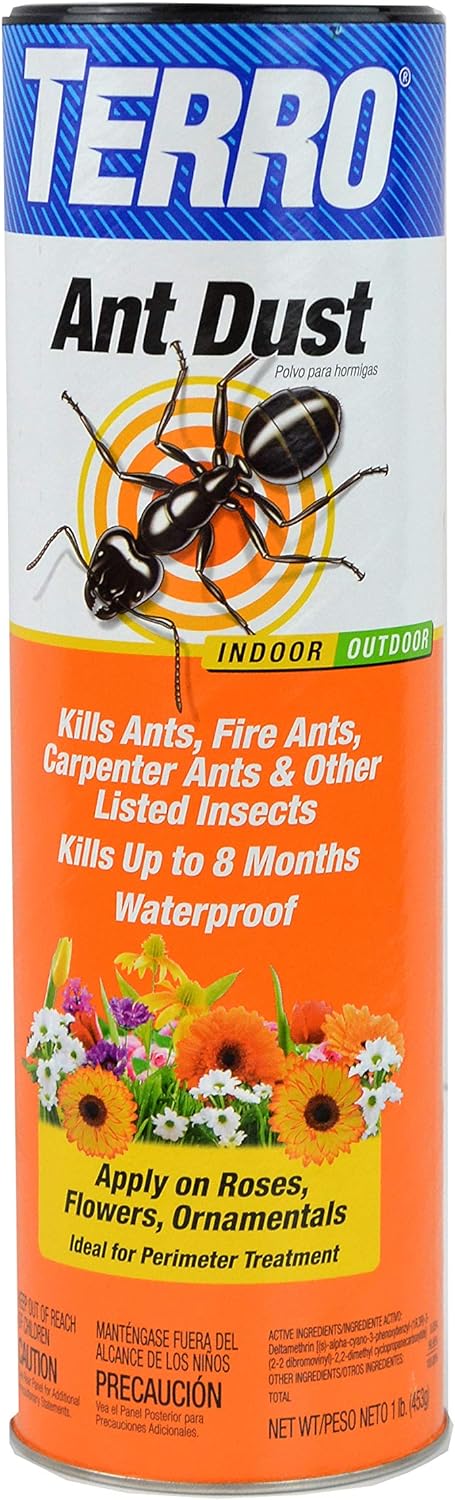
An ant powder barrier is a dust or granule product (often diatomaceous earth) you sprinkle around hive legs, usually $5–10 per bag. It works initially but requires frequent reapplication after rain and is best viewed as a temporary supplement rather than a primary defense.
Maintaining a Barrier Through the Season
Check your barrier weekly during warm months when ants are active. For water moats, top up the water level and remove any debris or dead insects that might bridge the gap. In extreme heat (above 95°F), you may need to refill twice weekly. For grease barriers, inspect the ring and reapply if you see gaps or if the grease looks thin and crumbly.
Keep the area around your stand clear of vegetation and mulch — ants use plants as highways to bypass barriers. A simple ring of bare ground around your stand legs helps. If you notice ants on the hive despite a barrier, the barrier has failed somewhere; check for debris bridges, evaporated water, or dried grease. Replace or repair immediately. In fall and winter (depending on your region), ant pressure drops naturally, and you can stop maintaining barriers once temperatures stay below 50°F consistently. Resume maintenance in spring.
Recommended Products
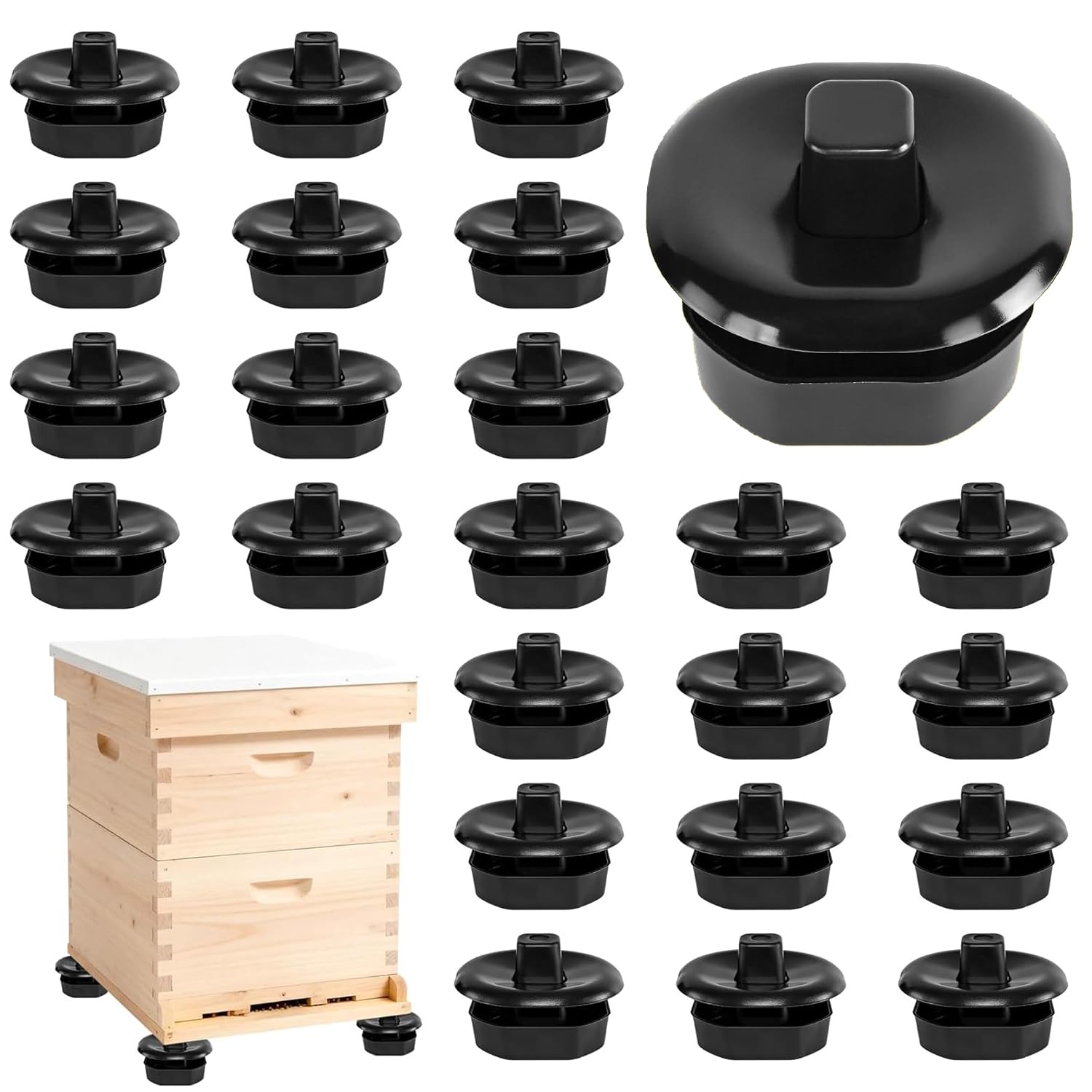
A beehive ant moat is a shallow, wide tray designed specifically to fit under hive stands, usually made of plastic and costing $8–15 per unit. You fill it with water weekly, and it provides reliable protection with minimal effort once you establish the routine.
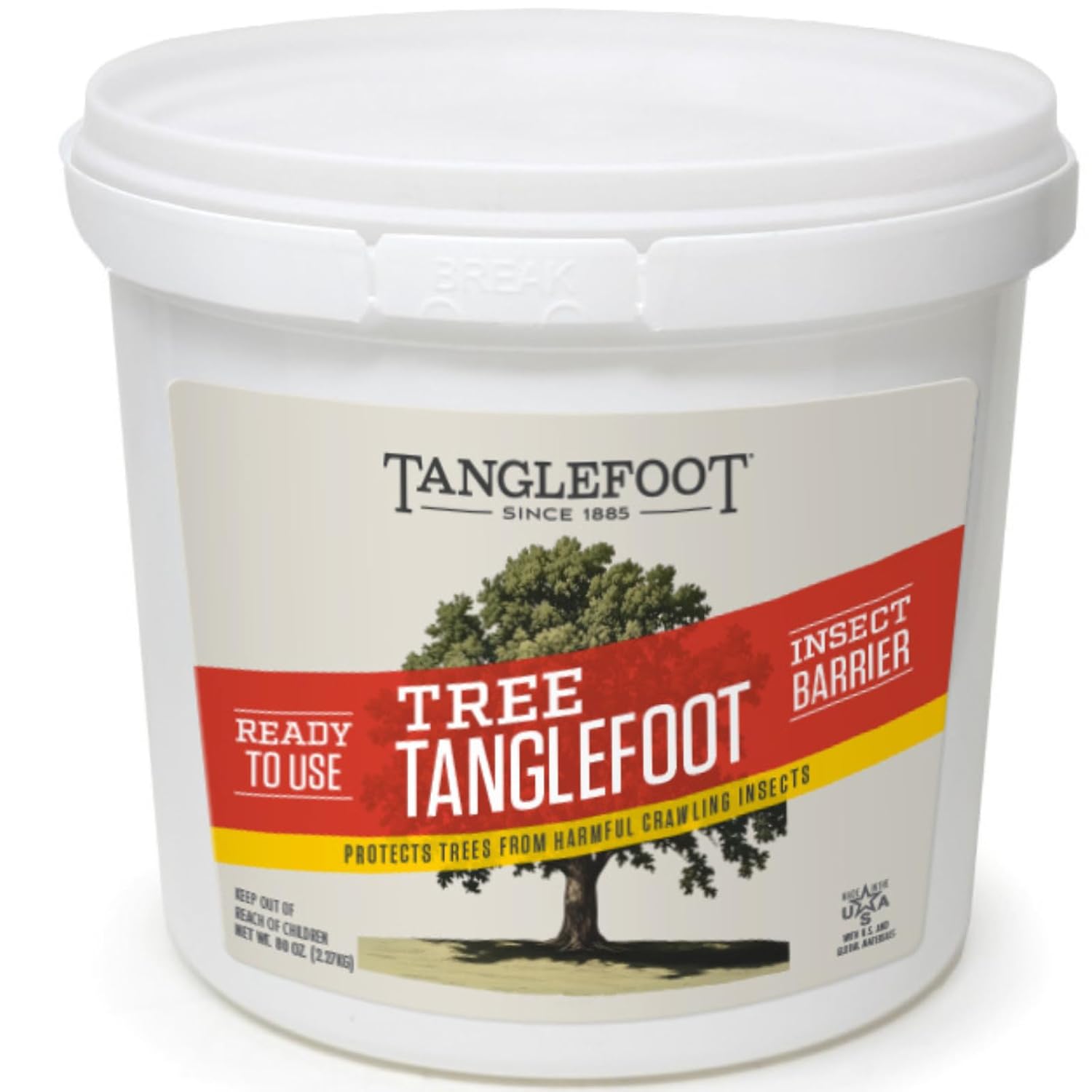
Tanglefoot is a sticky banding gum sold for tree trunks, but beekeepers apply the same tub around hive stand legs as a grease barrier — a thick ring stops ants without any chemicals. One tub lasts several weeks and covers multiple hive stands.