Fix Common Langstroth Hive Problems
The Langstroth hive is the gold standard for backyard beekeepers, but even well-designed equipment can run into issues. Whether you’re dealing with a struggling colony, poor honey production, or unexpected bee behavior, this guide covers practical solutions backed by real beekeeper experiences.
Why Your Langstroth Hive Isn’t Working Properly
Common culprits include:
- Improper smoker use: Ineffective smoke dispersal agitates bees and disrupts inspections. Use cool, thick smoke (avoid flames) and direct it at hive entrances 2-3 minutes before opening. Pine needles or burlap work best.
- Faulty honey extraction: Stuck or broken frames during harvest often trace back to uncapped honey (too watery) or old, brittle foundation (the wax or plastic sheet inside each frame that guides bees to build straight comb). The BeeCastle 8-Frame Langstroth Hive includes pre-waxed foundations to reduce this risk.
- Poor ventilation: Condensation inside the hive in winter signals inadequate top ventilation. Add a moisture quilt or notch inner covers.

How to Strengthen or Revive a Weak Langstroth Hive
A declining colony needs swift action:
- Assess food stores: A weak hive often lacks honey or pollen. Feed 1:1 sugar syrup (spring/summer) or 2:1 (fall) via a hive-top feeder.
- Combine weak hives: Merge with a stronger colony using newspaper to slow integration and prevent fighting.
- Replace old comb: Dark, brittle comb harbors pathogens. The Thxbees 10-Frame Langstroth Kit includes fresh wax-coated frames to encourage rebuilding.
- Check queen health: Spotty brood patterns or aggressive workers may indicate a failing queen. Requeen if needed (replace her with a newly mated queen from a breeder or a local club).

Handling Aggressive Behavior in Langstroth Hives
A Langstroth hive isn’t more prone to defensiveness than any other style — the design just makes it easier to spot the cause, since full-depth frames give you a clear look at brood pattern and queen condition. Most defensive spells trace back to one of three things: how often the hive is disturbed, outside pressure from pests or robbers, or the colony’s own genetics.
- Routine disruptions: Limit inspections to 10-15 minutes every 7-10 days.
- Predator stress: Install entrance reducers to deter robbing wasps or mice.
- Queen genetics: Italian or Carniolan bees (common in Langstroth hives) are typically docile. If aggression persists, consider requeening with a gentler strain.
If a colony stays defensive across multiple inspections despite calm handling, treat it as a genetics problem rather than something to work around — requeening resolves it far more reliably than technique changes alone.
Natural Treatment Options for Langstroth Hives
Varroa mites (parasitic mites that weaken colonies and spread viruses) are the top pest threat in a Langstroth hive. The chemical-free options below can help hold mite counts down between checks, but none of them are a substitute for actually testing your mite load.
- Sugar dusting: Confuses mites’ grip on bees. Sprinkle powdered sugar over frames every 2 weeks in summer.
- Drone comb traps: Mites prefer drone brood. Remove and freeze capped drone cells periodically.
- Essential oil supplements: Thymol-based products (like ApiLife VAR) disrupt mite reproduction.
These methods work best as part of an integrated pest management routine, not on their own — run a sugar roll or alcohol wash test every few weeks, and switch to an approved miticide if mite counts stay high despite natural treatment.
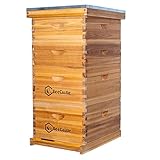
For new beekeepers, the BeeCastle 10-Frame Langstroth Hive offers a balanced starter setup with deep and medium boxes for easier management.
Pro Tip: Always inspect hives mid-morning (10 AM–2 PM) when most foragers are out—fewer bees in the box means calmer inspections.