Beeswax vs. Plastic Foundation Comparison
If you’re setting up your first hive, you’ll hear about foundation—the pre-built wax or plastic sheets that give bees a head start on building comb. The choice between beeswax foundation and plastic foundation affects how quickly your bees work, how long your equipment lasts, and how much you spend upfront. Here’s what actually matters when deciding between them.
Bee Acceptance Differences
Bees naturally prefer beeswax foundation because it’s made from the same material they produce themselves. When you install beeswax foundation, bees recognize it immediately and draw out the cells faster — “drawing out” means the bees build the full three-dimensional comb structure on top of the flat foundation sheet. This matters because faster comb building supports faster brood production (the rearing of new bees) and quicker population growth in your hive.
Plastic foundation works, but bees are less enthusiastic about it. They’ll eventually accept it and build comb on top of it, but they often take longer to start. Some beekeepers report that bees sometimes abandon plastic frames or chew around the edges rather than work with them directly. The acceptance varies by bee strain and season — spring bees tend to be more willing than fall bees.
One practical note: if you’re using plastic foundation, make sure it’s specifically designed for honeybees. The cell size matters. Bees will work with plastic more readily if the frame is already partially drawn — meaning some comb is already built on it from a previous season.
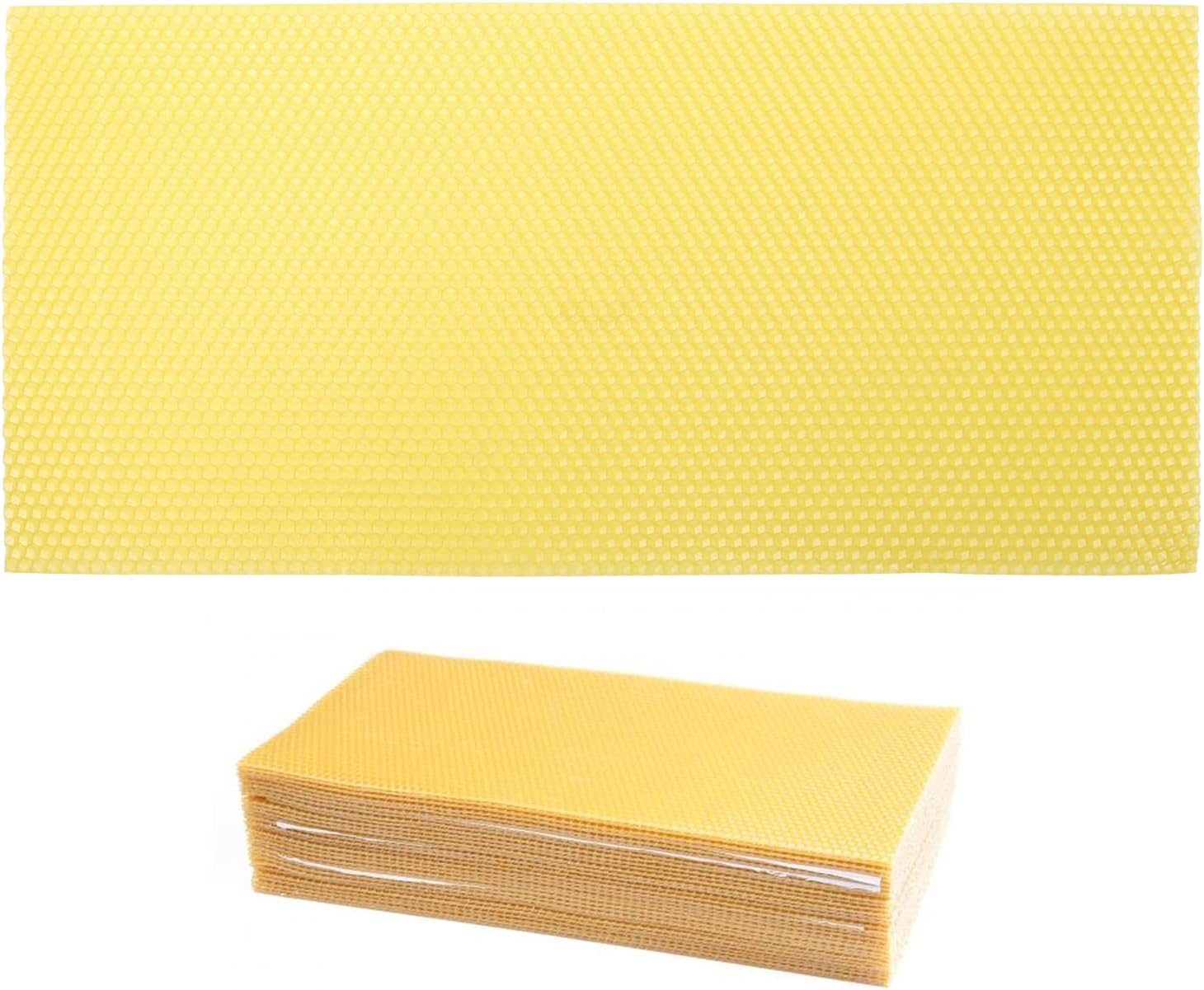
Beeswax foundation is the better choice for most beginners because bees work on it faster and it feels more natural to the colony. Buy it for your first hive even if it costs more—the faster comb building will pay dividends in your first season.
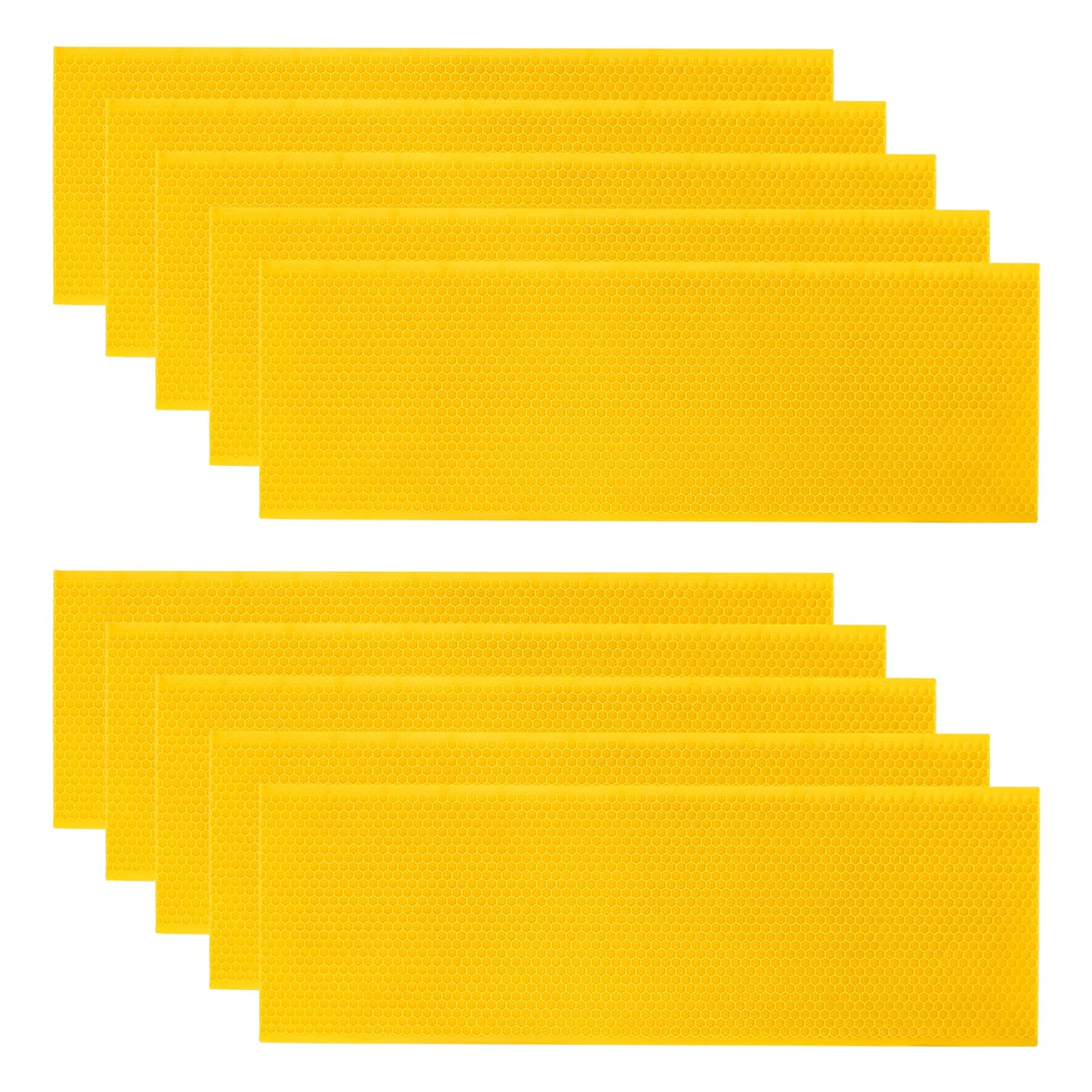
Plastic foundation makes sense if you're keeping multiple hives, live in a very hot climate, or are genuinely on a tight budget. It's reliable, lasts forever, and your bees will eventually work with it, just not as eagerly as they work with beeswax.
Durability Comparison
Beeswax foundation can last many seasons if stored properly, but it’s fragile during use. It can crack if you drop it, warp if exposed to direct heat, and break apart if bees don’t build it out evenly. Once built out into full comb, it’s strong, but the initial foundation sheet itself is delicate. You can reuse beeswax foundation for many seasons if you’re careful, and beekeepers often do.
Plastic foundation is nearly indestructible. You can drop it, bend it, and it bounces back. It won’t warp in heat and won’t crack from normal handling. This makes it ideal if you’re clumsy or working in hot climates. The downside: plastic foundation lasts so long that some beekeepers find it outlives their interest in beekeeping. After 10+ years, it’s still usable but may become brittle in very cold climates.
The real durability question isn’t about the foundation itself — it’s about the comb built on it. Comb on either type can get diseased or infested with wax moths (small moths whose larvae tunnel through and destroy comb). If you need to replace frames, beeswax foundation is easier to clean and reuse. Plastic is harder to clean thoroughly, so many beekeepers simply replace it rather than sanitize it.
Cost Comparison
Beeswax foundation costs roughly two to three times more than plastic foundation per frame. A single sheet of beeswax foundation might run $1.50–$3.00, while plastic foundation typically costs $0.50–$1.00. For a 10-frame hive, that’s a meaningful difference: $15–$30 for beeswax versus $5–$10 for plastic.
However, the upfront cost isn’t the whole story. Faster comb building on beeswax foundation can support stronger colony development heading into honey flow season — the period, typically in late spring and summer, when nectar is abundant and bees are actively making honey. That faster start may help offset the extra cost through better honey production. Plastic foundation spreads the cost over many seasons since you’re not replacing it as often.
For a beginner with one or two hives, the cost difference is real but not huge. Spend the extra money on beeswax if you can — the bee acceptance benefit is worth it for your first season. If you’re budget-conscious, plastic works fine; just accept that your bees may take longer to build comb and plan accordingly. Don’t let foundation choice stop you from starting.
Side-by-Side Comparison Table
| Factor | Beeswax Foundation | Plastic Foundation |
|---|---|---|
| Bee acceptance | Fast, natural preference | Slower, but acceptable |
| Initial cost per frame | $1.50–$3.00 | $0.50–$1.00 |
| Durability | Fragile when new, lasts many seasons if stored | Nearly indestructible, lasts 10+ years |
| Reusability | Easy to clean and reuse | Difficult to sanitize, usually replaced |
| Heat sensitivity | Can warp if exposed to direct sun | Heat-resistant |
| Best for | Beginners wanting fast results | Budget-conscious keepers, hot climates |