Creamed Honey vs. Liquid Honey
Creamed honey and liquid honey are the same product in different forms—both are real honey, just processed differently after extraction. If you’re a beginner beekeeper deciding what to do with your first harvest, this comparison will help you understand the trade-offs and whether the extra step of making creamed honey is worth it for you.
Texture and Production Differences
Liquid honey is honey in its natural state after straining out wax and debris. It pours, flows, and crystallizes over time (which is normal and harmless). Creamed honey is made by controlling that crystallization process deliberately. You start with liquid honey, add a small amount of already-crystallized honey as a “seed,” then stir it gently while it sets. This creates a smooth, spreadable texture like soft butter instead of hard sugar crystals.
The science is straightforward: honey naturally wants to crystallize because it contains glucose. Liquid honey crystallizes randomly and unevenly, creating large, gritty crystals. Creamed honey crystallizes into tiny, uniform crystals that stay suspended throughout, giving it that creamy consistency. The process takes about two weeks at room temperature and requires patience, not special equipment. You’re not adding anything—just managing the honey’s own chemistry.
For a beginner, liquid honey is easier: extract, strain, bottle, done. Creamed honey requires an extra step and some attention, but it’s not difficult. The payoff is a product that looks and feels more refined, which matters if you’re selling.
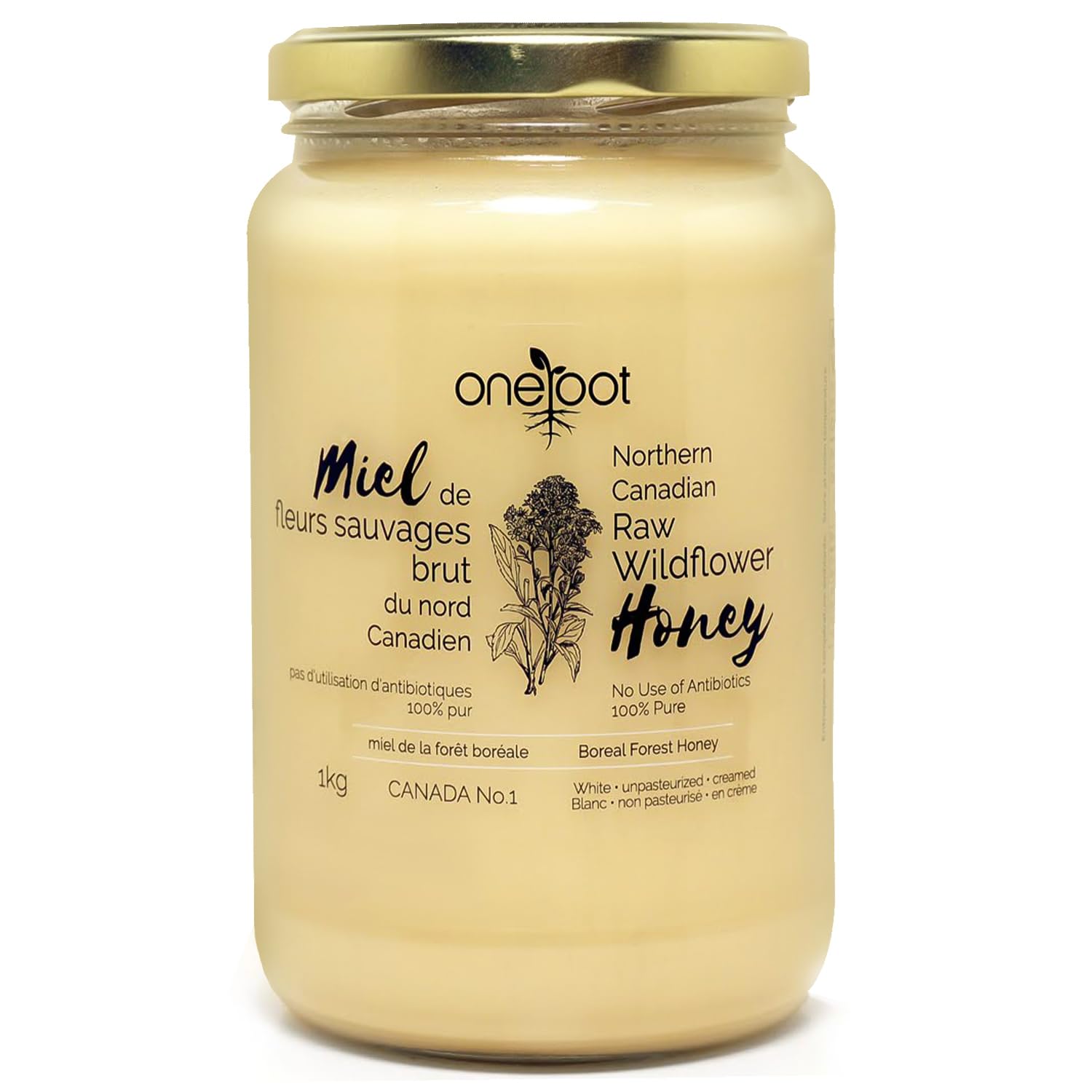
Creamed honey is worth buying once as a reference if you plan to make your own—it shows you the exact texture to aim for. A small jar from a local producer or online retailer costs $8–15 and serves as both a seed culture and a quality benchmark for your own batches.
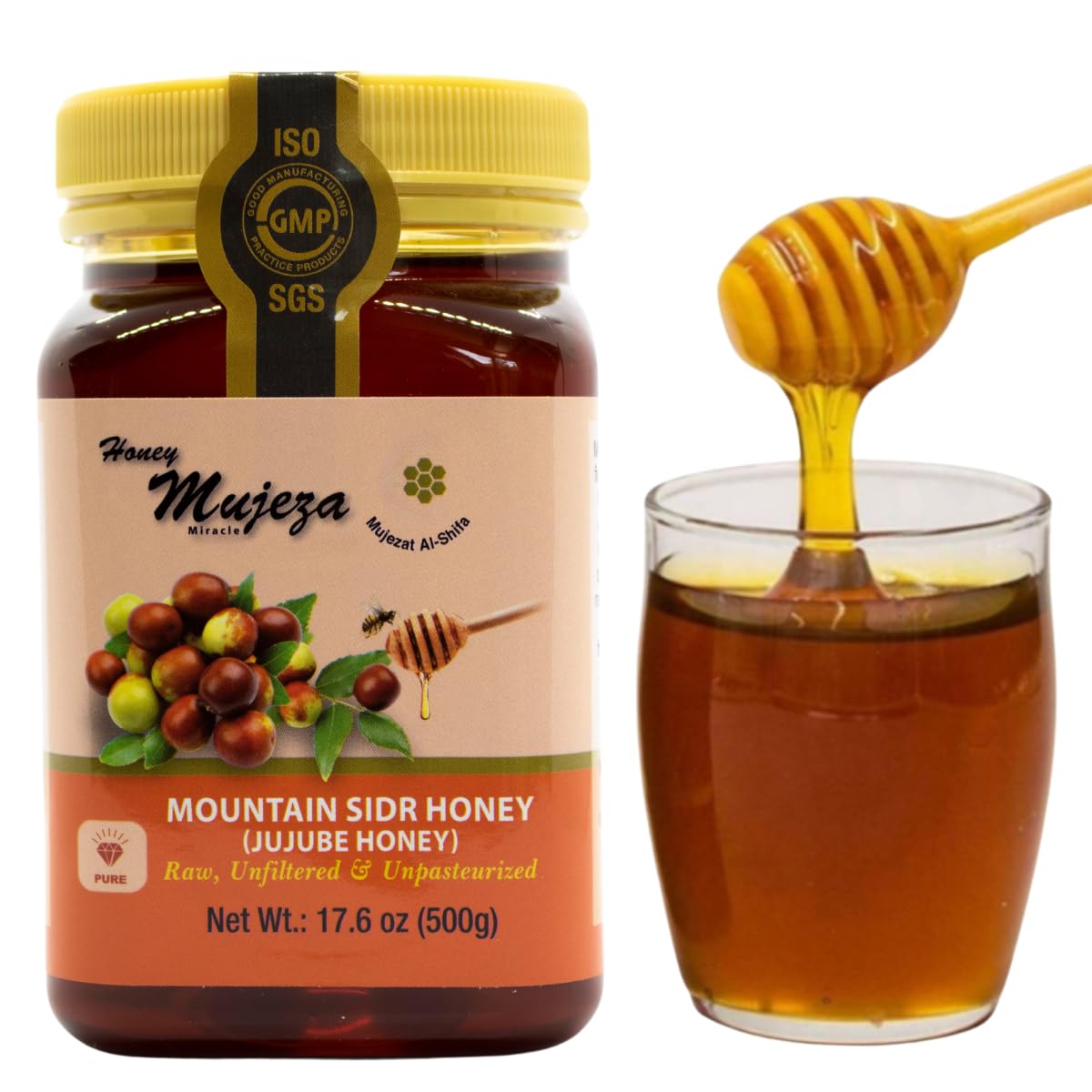
Liquid honey is what you'll naturally produce from your extractor and strainer, so there's no product to buy unless you want to compare your own harvest against a commercial standard. Most beekeepers keep a jar of raw, unfiltered liquid honey from their own hives as a baseline.
Shelf Stability Comparison
Both forms last indefinitely if stored in a sealed container. Honey is naturally antimicrobial and doesn’t spoil. Liquid honey may crystallize in your pantry over months or years—this is cosmetic, not a problem. You can re-liquefy it by gently warming the jar in hot water.
Creamed honey resists crystallization longer because the process has already happened in a controlled way. Once made, it stays smooth and spreadable for a year or more without additional work. This matters for retail: a jar of creamed honey on a shelf looks consistent week after week. Liquid honey may start crystallizing while sitting in a store display, which some customers mistake for spoilage.
Both store best in cool, dark conditions. Heat will thin either form temporarily. Neither needs refrigeration. If you’re making honey for personal use, this distinction doesn’t matter much. If you’re selling, creamed honey’s stability is a real advantage—fewer customer complaints about texture changes.
Which Sells Better at Markets
Creamed honey outsells liquid honey at farmers markets, especially to customers who don’t buy honey regularly. It looks special, spreads easily on toast, and feels like a premium product. People are willing to pay more for it. Liquid honey appeals to experienced honey buyers and those who want it for tea or baking.
At a typical market, creamed honey tends to move faster and commands a higher price point. It’s also easier to sell in small jars because the spreadable texture feels like better value in a small container. Liquid honey works better in larger sizes for cooking.
The real advantage: creamed honey gives you a product differentiation. If another vendor is selling liquid honey, yours stands out. You can also offer both and let customers choose. Many successful small producers do exactly that—make creamed honey for retail and keep liquid honey for themselves or wholesale.
How to Make Creamed Honey at Home
Start with liquid honey that’s been strained but not heated. You need a “seed” of already-crystallized honey—buy a small jar of creamed honey from a store, or save some from a previous batch. Use about 10% seed to 90% liquid honey by weight.
Warm the liquid honey gently to 104°F (40°C)—warm enough to pour easily, not so hot it damages the honey. Stir in your seed honey until fully mixed. Pour into jars and let them sit at room temperature (65–75°F is ideal). Stir gently every few days for the first two weeks. You’ll see it thicken gradually. Once it reaches the consistency you want, stop stirring and let it set fully—usually 2–3 weeks total.
The key is patience and gentle handling. Vigorous stirring creates air bubbles. Temperature swings slow crystallization. If your kitchen is very warm, move the jars to a cooler spot. If it’s very cold, crystallization may take longer. After your first batch, you’ll have seed honey for the next one, so the process gets easier.