Mastering Hive Insulation for Healthy Bees
Proper hive insulation is critical for maintaining a healthy bee colony, especially during colder months. Bees rely on a stable internal temperature to survive, and inadequate insulation can lead to weakened colonies, increased mortality, and even hive collapse. Below, we’ll explore common issues with hive insulation, how to address them, and recommend practical solutions to keep your bees thriving.
Why Hive Insulation Isn’t Working Properly
If your hive insulation isn’t performing as expected, several factors could be at play. One common issue is improper installation. Insulation materials like wraps or reflective films must fit snugly around the hive to prevent drafts. Gaps or loose fittings can allow cold air to seep in, negating the insulation’s benefits. Another factor is material quality. Cheap or thin insulation may not provide adequate protection against extreme temperatures.
Additionally, moisture buildup inside the hive can compromise insulation. Bees produce humidity as they cluster and generate heat, and if this moisture isn’t properly vented, it can condense and freeze, creating a dangerous environment. To avoid this, ensure your insulation is breathable or pair it with proper ventilation techniques.
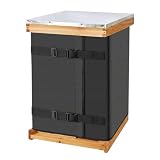
For a reliable solution, consider the Winter Bee Hive Wrap for 8 and 10 Frame Hives. Made from 600D Oxford fabric, it’s waterproof, windproof, and reusable, making it an excellent choice for winter beekeeping.
How to Strengthen or Revive Hive Insulation
If your hive insulation is underperforming, there are steps you can take to improve it. Start by inspecting the insulation for damage or wear. Tears, holes, or thinning material should be replaced promptly. For added protection, layer insulation materials. For example, combine a hive wrap with reflective films to enhance heat retention.
Another strategy is to insulate the hive’s interior. Adding foam boards or insulating pads inside the hive’s walls can help maintain a stable temperature. Be cautious not to block the bees’ access to food stores or disrupt their movement.
For a cost-effective upgrade, try the 5 Pcs Thickened Aluminum Reflective Insulation Film for Beehives. This moisture-proof film reflects heat and shields the hive from external elements, making it a versatile addition to your beekeeping toolkit.

Natural Insulation Methods
Natural insulation methods can complement or replace synthetic materials, especially for beekeepers prioritizing eco-friendly solutions. One option is to use straw bales or hay around the hive. These materials provide excellent insulation and are biodegradable. Another natural approach is to position the hive in a sheltered location, such as near a windbreak or under a canopy, to reduce exposure to harsh weather.
For those seeking a balance between natural and manufactured solutions, the Winter Bee Hive Wrap for 8 and 10 Frame Hives (2 Pcs) offers durability and reusability, reducing waste while ensuring your bees stay warm.

By addressing insulation challenges and implementing these strategies, you can create a safer, more comfortable environment for your bees, ensuring their health and productivity year-round.