Raw Honey vs. Processed Honey
If you’ve just cracked open a jar of honey, you’ve probably noticed it looks different from the honey you remember from the grocery store. One is cloudy and crystallized; the other is clear and pours like syrup. Understanding the difference between raw honey and processed honey helps you decide what to buy—and, if you keep bees, what to produce and sell.
Processing Differences
Raw honey comes straight from the hive with minimal intervention. After extraction, it’s strained to remove large debris like wax and bee parts, then bottled. That’s it. No heat, no filtration beyond basic screening, no additives. The cloudiness and graininess you see is natural—it’s pollen, crystallized glucose, and other compounds that were always there.
Processed honey goes through several steps. It’s heated to 160–180°F (sometimes higher), which kills yeast and makes it flow more easily. Then it’s often micro-filtered to remove pollen, fine particles, and anything that might cause crystallization. Some producers add corn syrup or other sweeteners, though quality brands don’t. The result is a clear, stable product that looks the same in the jar six months later.
The heat and filtration in processed honey aren’t inherently bad—they make the product shelf-stable and visually consistent, which matters for large-scale distribution. But they also remove compounds that some people value, like pollen and enzymes.
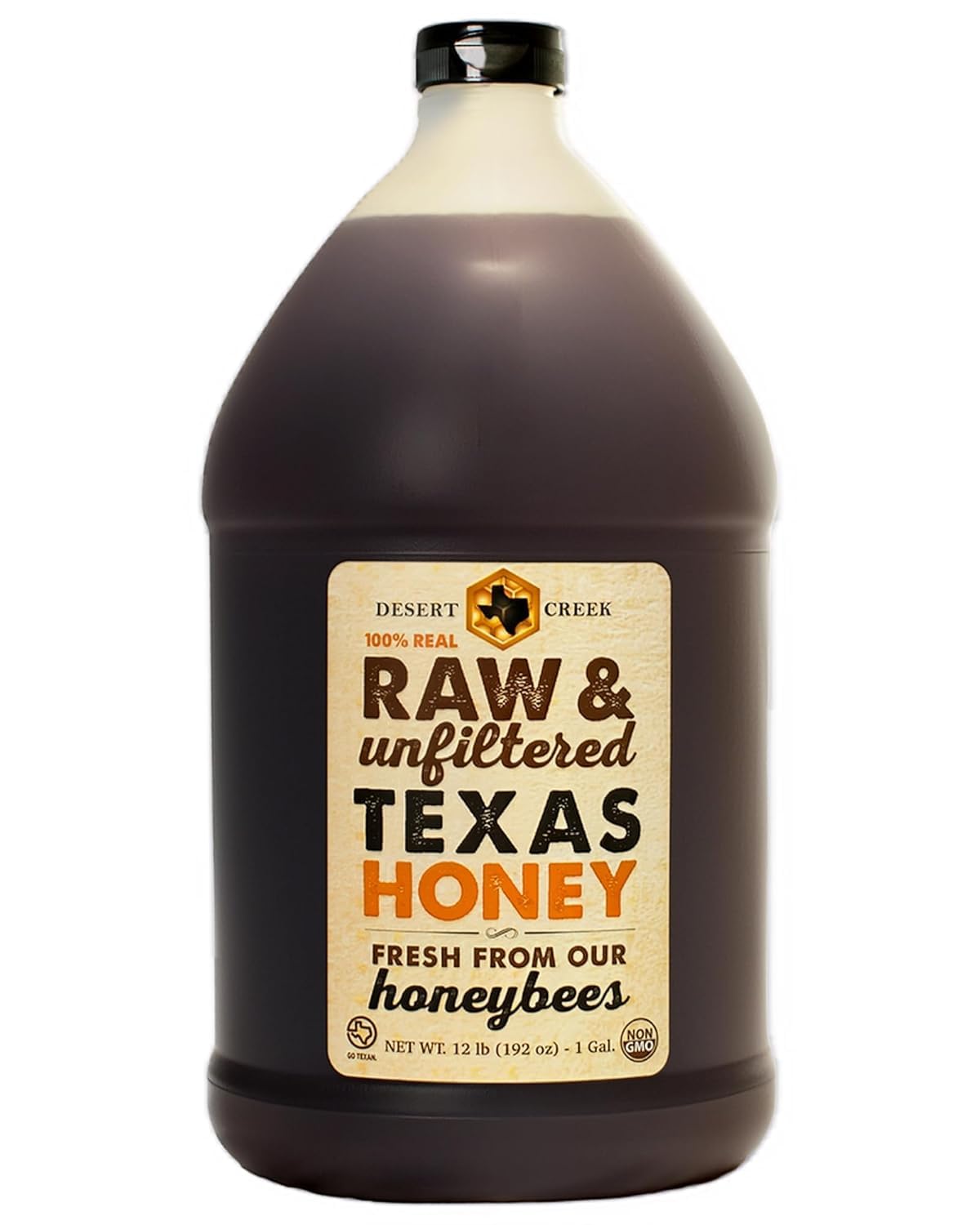
Processed honey offers convenience and consistency, staying liquid and clear indefinitely without crystallization or fermentation risk. It's the better choice if you want a shelf-stable product that looks uniform, though it loses some of the trace compounds and pollen that raw honey contains.
Nutritional Claims Compared
Raw honey is often marketed as more nutritious because it contains pollen, enzymes, and other trace compounds that heat destroys. Some people claim it has better digestive or immune benefits. The honest answer: the difference is real but small. Raw honey does contain more of these compounds, but you’d need to eat a lot of honey for it to meaningfully impact your health.
Processed honey loses some enzymes during heating, and filtration removes pollen entirely. From a pure carbohydrate and calorie standpoint, both are nearly identical—roughly 64 calories and 17 grams of sugar per tablespoon. Neither is a health food, though honey is a better sweetener than refined sugar if you’re looking for one.
If you’re buying honey for taste or local sourcing, raw is often the better choice. If you’re buying it purely for nutrition, the difference doesn’t justify the premium price.
Shelf Life Differences
Processed honey has an extremely long shelf life. The heat and filtration remove the particles and microorganisms that cause fermentation, so a properly stored jar will remain usable for many years. That said, flavor and aroma can gradually fade over time, so fresher is still better for taste.
Raw honey crystallizes over time—sometimes within weeks, depending on the floral source and storage temperature. Crystallization isn’t spoilage; it’s natural. You can liquefy it again by warming the jar gently in hot water. Raw honey can also ferment if its water content is too high or if it absorbs moisture from the air in a humid environment. The key is keeping it sealed and stored somewhere dry. Honey with a water content at or below 18% is generally safe from fermentation.
For home use, this rarely matters. For selling, it’s a real consideration. Customers expect honey to look the same when they buy it and when they use it. Raw honey requires clearer labeling and customer education. Processed honey is more forgiving.
Which One to Sell as a Small Producer
If you’re a beginner with a few hives, start with raw honey. It requires less equipment, no heating setup, and minimal processing. Customers who buy from small producers usually expect and prefer raw honey. They understand crystallization and are willing to work with it.
Only move to processed honey if you’re scaling up and need consistent appearance, longer shelf life, or want to reach retail stores with strict requirements. The equipment investment—a honey warmer, fine filters—isn’t worth it for a dozen jars a year. Stick with raw, label it clearly, and educate your customers. That’s your competitive advantage anyway.
Before you sell any honey, check your local and state regulations. Honey sales are governed by cottage food laws, labeling requirements, and sometimes health department rules that vary significantly by location. What’s permitted in one state may require a license or inspection in another. A quick call to your state department of agriculture will tell you exactly what applies to you.