Entrance Feeder vs. Top Feeder
When your bees need supplemental food—during spring buildup, a poor nectar flow, or before winter—you’ll need a feeder. The two most common choices for small-scale beekeepers are the entrance feeder and the top feeder. Both work, but they suit different situations, and choosing the wrong one can actually cause problems.
How an Entrance Feeder Works
An entrance feeder is a small container that sits directly at the hive entrance, usually held in place by the entrance reducer or resting on the landing board. It typically holds 1–2 quarts of sugar syrup in a shallow tray or jar with a floating board or mesh screen. Bees access the feeder from the inner end of the entrance, drinking without needing to leave the hive proper.
The design is simple: you fill it, set it in place, and the bees help themselves. Most entrance feeders are either plastic jars with a perforated base or shallow trays with a screen insert. The syrup sits above the screen so bees can drink without drowning. Because the feeder sits at the entrance rather than inside the hive, refilling doesn’t disturb the brood nest (the area of the hive where eggs, larvae, and pupae develop) or require you to open the hive and break apart frames. You just swap out the jar or top off the tray from outside.
The main limitation is capacity. An entrance feeder holds less syrup than other methods, so you’ll be refilling more often during heavy feeding periods. It also works best in warm weather when bees are actively foraging; in cold months, bees may not venture out to an external feeder.
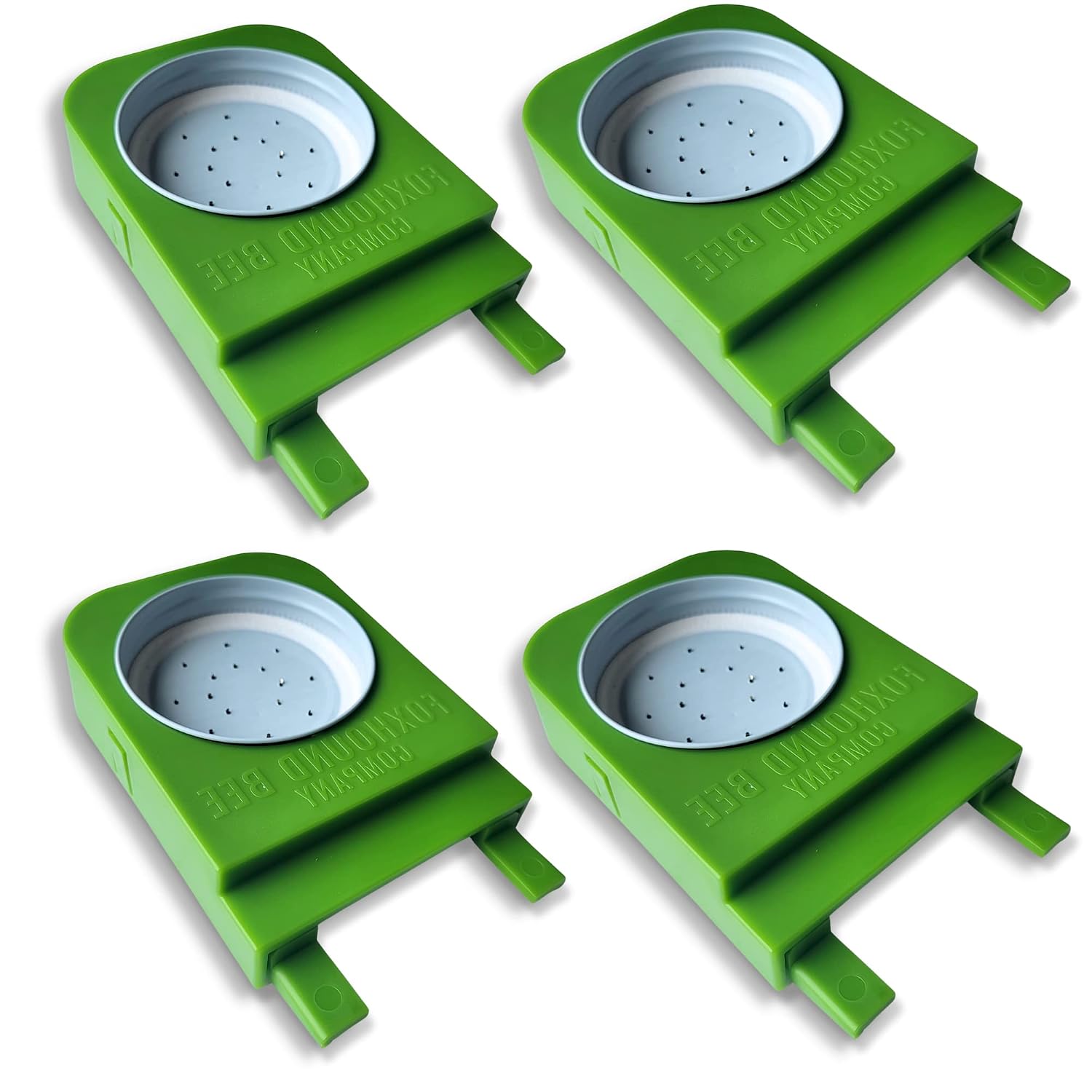
An entrance feeder is a practical choice for spring feeding or beekeepers who want to avoid opening the hive. Look for models with a floating screen or mesh top to prevent drowning, and choose one sized to fit your entrance reducer so it sits stable and secure.
How a Top Feeder Works
A top feeder sits directly on top of the frames, inside the hive, under the outer cover. It’s typically a rectangular box or chamber that holds 1–2 gallons of syrup—roughly four times the capacity of an entrance feeder. Bees climb up from the frames and drink from a screened or slotted trough or well inside the feeder, never needing to leave the hive.
You remove the outer cover, set the feeder on the frame tops, and replace the cover over it. Refilling means lifting the outer cover and topping up the syrup—a quick task that doesn’t require opening the brood box.
Because a top feeder is inside the hive, bees can access it even in cool weather when they won’t venture outside. This makes it the better choice for fall feeding before winter or spring feeding early in the season. The larger capacity also means fewer refills during periods of heavy feeding. The trade-off is that you’re adding an extra component inside the hive, which takes up space and can make the hive taller.
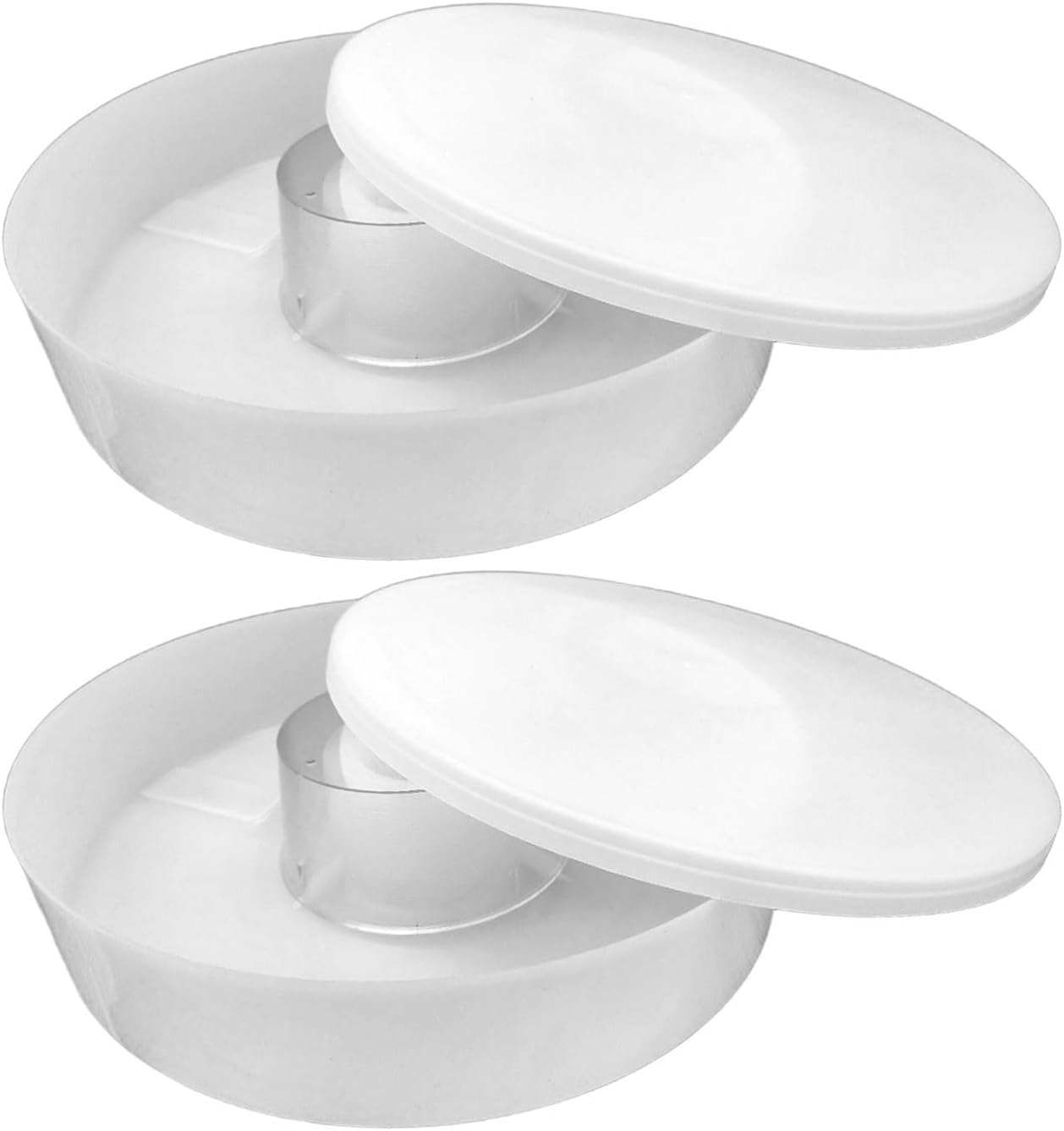
A top feeder is the better choice for fall feeding and larger-scale supplemental feeding because of its capacity and lower robbing risk. Select one that fits your hive dimensions (Langstroth or Top-Bar) and has a screened or slatted design to keep bees from drowning in the syrup.
Robbing Risk Differences
Robbing—when bees from other colonies or wasps raid your hive for syrup—is a real concern during feeding season, and the two feeder types handle this risk differently.
An entrance feeder creates a more visible feeding situation. Bees coming and going with syrup can attract attention from neighboring colonies or wasps, especially if you’re feeding multiple hives in close proximity. However, because the feeder sits at the entrance, you can monitor it easily and see if robbing is happening. You can also reduce the entrance hole to make it harder for robbers to access, and you can remove the feeder quickly if problems develop.
A top feeder is less visible to outsiders because the syrup is inside the hive. This generally means lower robbing risk, particularly in apiaries with multiple colonies. Robbers have to enter the hive to find the food, which is harder to do if the entrance is small. That said, once robbing starts inside a hive, it’s harder to stop, so prevention through entrance reduction is still important.
Which One to Use When
Choosing between these two feeders comes down to the time of year, your local conditions, and how much hands-on time you want to spend. Neither feeder is universally better — each has a situation where it clearly outperforms the other, and understanding those situations will save you time and protect your bees.
As a general rule, top feeders are the stronger choice whenever you need to feed large quantities, want to minimize hive disturbance over a long feeding period, or are feeding in cooler weather. Entrance feeders earn their place when simplicity and quick access matter most, or when you only need to provide a small amount of supplemental syrup over a short period.
Spring feeding (March–April): An entrance feeder can work well here. Bees are active and you want to avoid opening the hive too much during buildup. The smaller capacity is less of an issue because you’re only feeding for a few weeks.
Fall feeding (August–October): Use a top feeder. Bees need larger quantities to build winter stores, and you want to minimize robbing risk when colonies are defensive. The larger capacity means fewer disturbances to the hive.
Early morning or cool weather: A top feeder is better because bees won’t venture outside to an entrance feeder in cold conditions.
High-robbing-pressure areas: If you have many feral or managed colonies nearby, a top feeder reduces visible feeding activity and lowers risk.
Quick, minimal-disturbance feeding: An entrance feeder wins because you never open the hive.