How to Rotate Brood Boxes
Brood box rotation is a technique some beekeepers use to manage disease and keep colonies healthy, but it’s not essential for beginners and can actually cause more problems than it solves if done wrong. This guide explains what rotation is, when it might help, and—honestly—whether you need to bother with it at all.
Why Beekeepers Rotate Boxes
Brood box rotation is based on the idea that moving the bottom box to the top (or removing it entirely) disrupts the buildup of disease spores, mites, and pathogens that accumulate on the bottom board and lower box over time. The theory is that fresh, clean equipment replaces contaminated areas, giving the colony a cleaner slate.
In practice, rotation has mixed results. It can disrupt certain disease cycles, but it also disrupts the colony’s organization, stresses the bees, and can cause the queen to lay in the wrong box or confuse the nest structure. Most experienced beekeepers now manage disease through better methods: regular hive inspections, good ventilation, replacing old comb every few years naturally, and treating for varroa mites (a parasitic mite that weakens bees and spreads viruses) when needed. Rotation is rarely the best first step.
If you’re a beginner, focus on keeping your hive clean, checking for signs of disease — including foulbrood (a serious bacterial infection that kills brood and requires prompt action) — and managing varroa mites instead. Rotation is an intermediate technique that works best only in specific situations—usually when you’ve already identified a disease problem and have clean boxes ready to swap in.
Spring Rotation Timing
If you do decide to rotate, spring is the only practical time. Depending on your climate and region, this typically falls somewhere between early April and late May — aim for when the colony has built up to at least two full boxes of bees and brood, not by calendar date alone. Rotating too early (when the colony is still small) can chill the brood and damage the hive.
The process works like this: you wait until the bees have moved into the upper box and the queen is laying there, then remove the bottom box entirely. You replace it with a clean, empty box (or one with drawn comb) and place the old bottom box on top. The contaminated box is now at the top, away from the main brood nest, and the colony works downward into the fresh box below.
Timing matters because you need enough bees to cover multiple boxes without gaps. If you rotate too early or when the colony is weak, the bees can’t maintain temperature, and brood dies. If you rotate too late (mid-summer), the colony may already be preparing for a nectar flow, and the disruption can reduce honey production. Spring—when the colony is growing but not yet at peak—is the narrow window where rotation causes the least damage.
Step-by-Step Rotation Process
Before you start: have a clean, empty Langstroth brood box ready, or one with drawn comb (old comb you’ve saved from a previous year). Never rotate into a box with old, disease-ridden comb.
-
Inspect the hive. Open the hive and confirm the queen is in the upper box and laying there. Look for signs of disease (unusual spotty brood pattern, foul smell, dead larvae). If you see foulbrood, rotation alone won’t fix it—you need to treat or replace the colony.
-
Remove the bottom box. Gently lift off the top box and set it aside on a hive stand or sturdy surface. Then remove the bottom box carefully. Brush or shake any bees back into the hive.
-
Set the clean box in place. Put the clean or empty Langstroth brood box on the bottom board where the old box was.
-
Replace the upper box. Set the original upper box back on top of the new bottom box.
-
Set the old box aside. The removed bottom box can be cleaned and stored, or—if it’s very old or diseased—discarded according to your local regulations.
-
Close up and monitor. Give the colony a few days to settle. Check in a week to make sure the queen has moved down and is laying in the new bottom box.
The whole process takes 10–15 minutes if you work calmly and have your clean box ready.
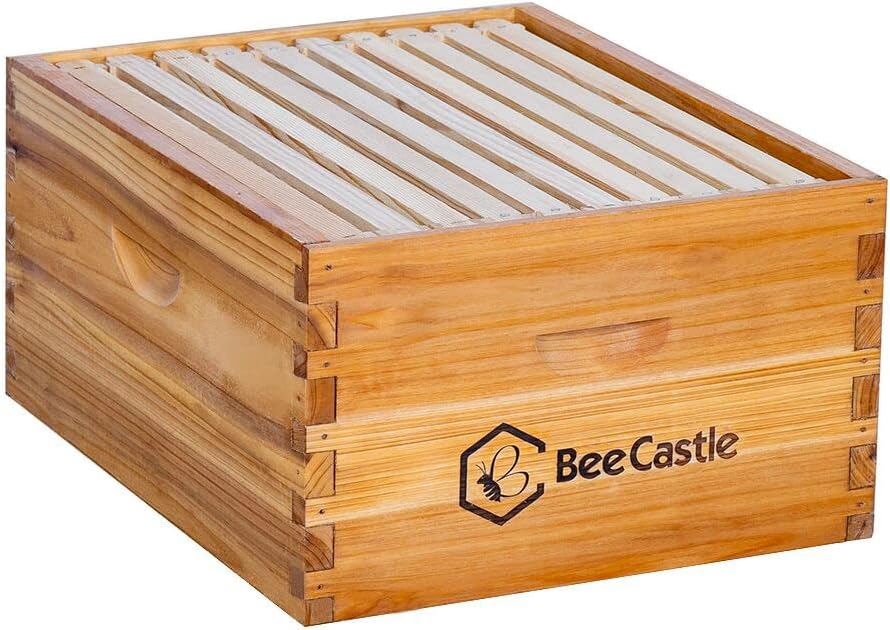
A langstroth brood box is the standard deep box where the queen lays eggs and the colony stores food for winter; if you're considering rotation, have at least one extra clean box on hand so you have something sanitary to rotate into, and buying a new box is cheaper and simpler than trying to clean and reuse an old, contaminated one.
When Rotation Isn’t Necessary
You don’t need to rotate if:
- Your colony is healthy and you’re not seeing disease signs.
- You’re already replacing old comb naturally (every 3–4 years) by adding new boxes and letting bees draw fresh comb.
- You’re managing varroa mites with regular monitoring and treatment.
- You’re a first-year beekeeper. Focus on learning to inspect, feed if needed, and recognize problems. Rotation adds complexity you don’t need yet.
- Your hive is still small (fewer than two full boxes). Rotation will stress it.
Most hobbyist beekeepers never rotate boxes and keep healthy colonies for decades. If your hive is thriving, don’t fix what isn’t broken.