How to Store Honey Long-Term
Honey is one of the easiest foods to store long-term because it naturally resists spoilage. If you’re a beginner beekeeper, you probably don’t need to overthink this—a sealed jar in a cool cupboard works fine. But if you’re harvesting larger quantities or want to keep honey in perfect condition for years, a few simple rules make a real difference.
Ideal Storage Temperature
Keep honey between 50°F and 70°F (10°C to 21°C) for best results. Room temperature works perfectly fine for most home beekeepers. Avoid storing honey anywhere that gets hot—a kitchen cabinet above the stove or a sunny windowsill will cause it to darken faster and lose some delicate flavors, though it’s still safe to eat. Cold temperatures won’t hurt honey, but they’ll speed up crystallization (the grainy texture that forms over time). If your storage space fluctuates wildly—like an uninsulated shed that freezes in winter and bakes in summer—move your honey somewhere more stable. A basement, pantry, or interior closet is ideal. You don’t need climate control; just consistent, moderate conditions.
Container Choices That Preserve Quality
Glass jars with tight-fitting lids are the gold standard for small quantities. They’re inert, don’t absorb odors, and let you see what you have at a glance. Mason jars work well, but make sure the lid seals properly—honey can absorb moisture from humid air if the seal is loose. For larger batches, a food-grade honey storage bucket with a sealed lid is practical and affordable. These buckets typically hold 12 to 60 pounds depending on size, stack easily, and keep honey protected from light and air. Avoid metal containers unless they’re lined; raw honey is acidic and can react with unlined metal over time. Plastic is acceptable if it’s food-grade and opaque (to block light), but glass and food-grade buckets are more durable and won’t leach anything into your honey over years of storage. Whatever you choose, the container must seal tightly—oxygen and moisture are your only real enemies.
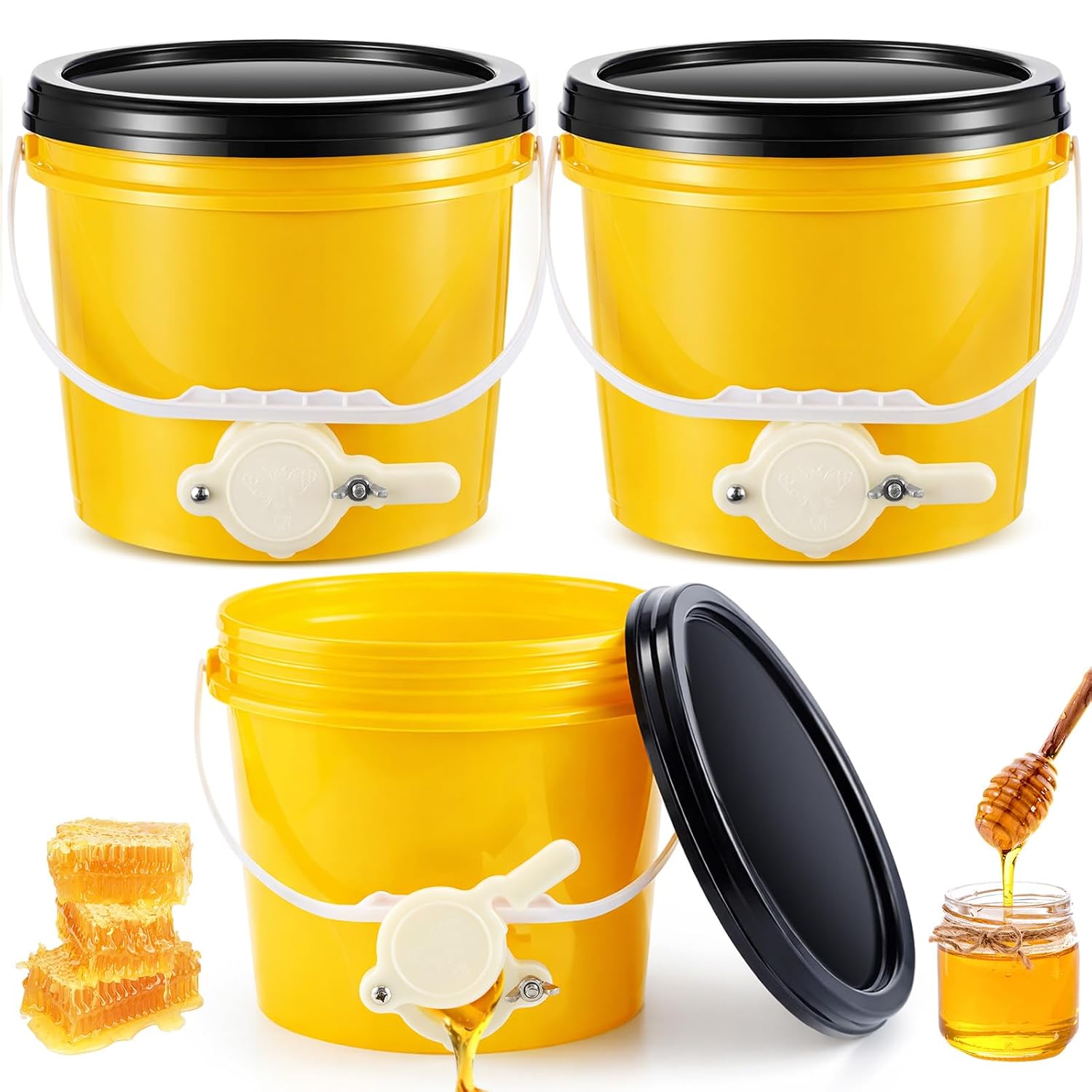
A food-grade honey storage bucket with a secure screw-on or locking lid is ideal if you're storing 5+ pounds and want to stack multiple containers. These buckets are food-safe, opaque to block light, and inexpensive—usually $10 to $30 depending on size.
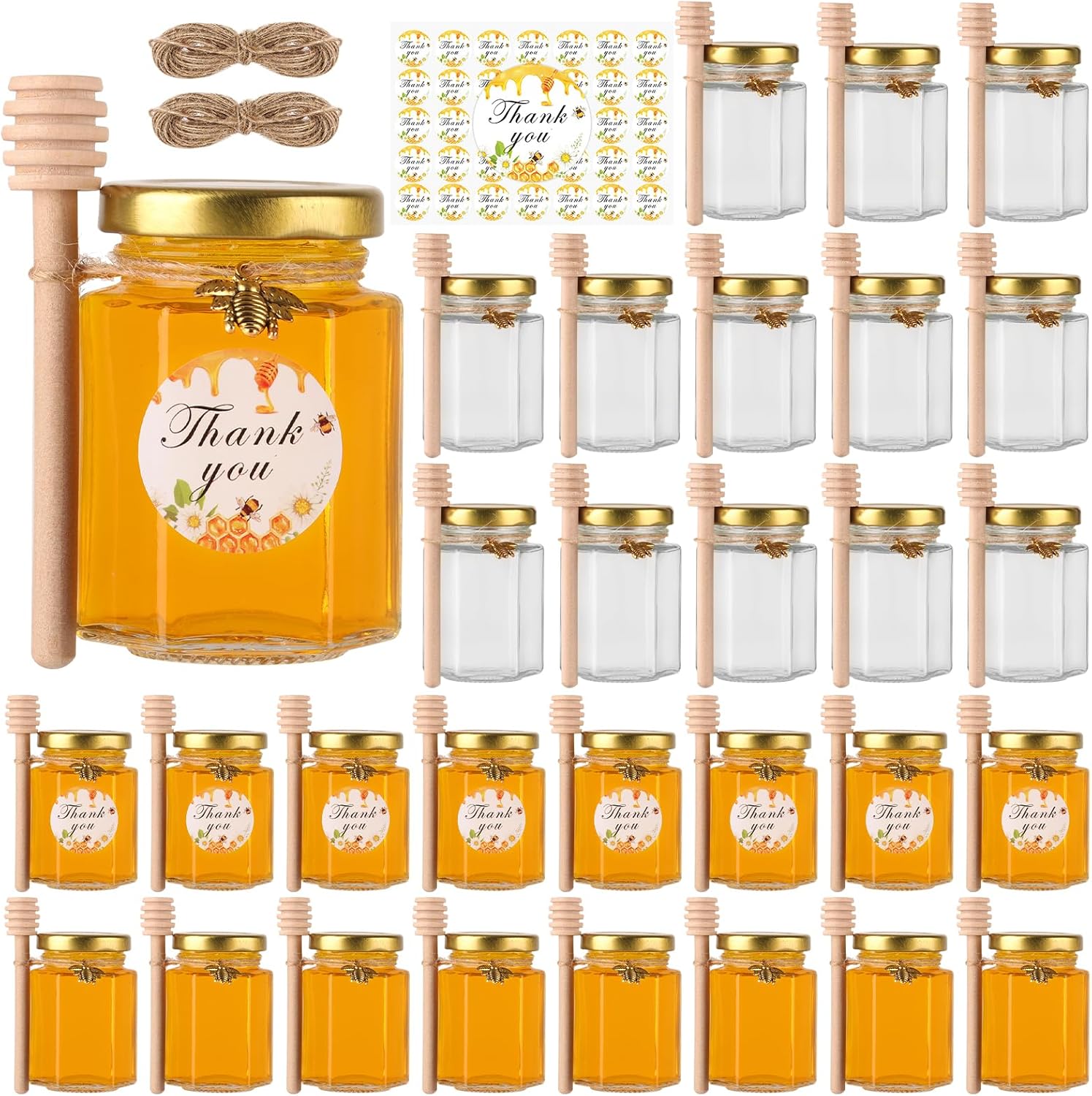
Glass honey storage jars with lids are perfect for smaller quantities or if you want to display your honey. They're durable, completely inert, and let you monitor the honey's condition at a glance, though they take up more shelf space than buckets.
Why Honey Rarely Spoils
Honey is naturally antimicrobial because of its low moisture content (usually around 17%) and high sugar concentration. Bacteria and mold can’t grow in that environment. The only microorganism that can survive in honey is certain spores of Clostridium botulinum, but these don’t produce toxins in honey and pose no real risk to healthy adults. (This is why honey isn’t recommended for infants under 12 months, but that’s a separate issue.) Honey also has an acidic pH, which further prevents spoilage. If you store honey in a sealed container away from direct sunlight, it will remain safe and edible indefinitely—archaeologists have found honey thousands of years old in Egyptian tombs, a testament to just how stable properly stored honey can be. The main thing that changes over time is texture and flavor, not safety.
Signs Stored Honey Has Actually Gone Bad
Honestly, it’s very rare for honey to actually go bad. What you might see is crystallization—honey turning grainy or solid—which is completely normal and doesn’t mean it’s spoiled. You can liquify it again by gently warming the jar in warm water. Fermentation is the only real spoilage risk, and it only happens if water got into the honey (breaking that low-moisture seal). Fermented honey will smell like yeast or alcohol and may bubble slightly. If you see mold on the surface or smell anything off, don’t eat it—but again, this is extremely uncommon in sealed containers. Discoloration and darkening are normal over years of storage and don’t indicate spoilage. If your honey has been sealed and stored in a cool, dark place, assume it’s fine unless it shows obvious signs of fermentation or mold.