Oxalic Acid vs. Formic Acid vs. Thymol Comparison
Varroa mites are the biggest pest problem most beekeepers face, and treating them is essential. You have three main chemical options: oxalic acid, formic acid, and thymol. This guide compares them so you can pick the right one for your situation—and tells you honestly whether you need any of them right now.
Effectiveness Against Varroa
Oxalic acid varroa treatment works by dissolving mites on contact. Under good conditions it typically kills 90–98% of mites on adult bees, but it does not reach mites hidden inside sealed brood cells. This means you need to time treatments during broodless periods (windows when the queen has stopped laying and no capped brood is present—late fall or early winter in most climates) or apply it multiple times. It’s highly effective during those windows, but timing matters.
Formic acid varroa treatment is more aggressive and penetrates sealed brood, killing mites inside cells. This gives it a practical advantage: it can work year-round and doesn’t require a broodless period. However, effectiveness typically ranges from 80–95% and varies with temperature, hive strength, and application method. It’s also harsher on bees and queens.
Thymol varroa treatment (the active ingredient in some commercial strips) works slowly over weeks and doesn’t require precise timing. It typically kills 70–90% of mites and is gentler overall, but the slower action means you’re managing mites for longer. It also works better in warmer weather and results can be less predictable than the other two options.
General guidance: Oxalic acid is among the most reliably effective options if you can time it to a broodless period. Formic acid offers year-round potential but demands more care. Thymol is the gentlest but slowest.
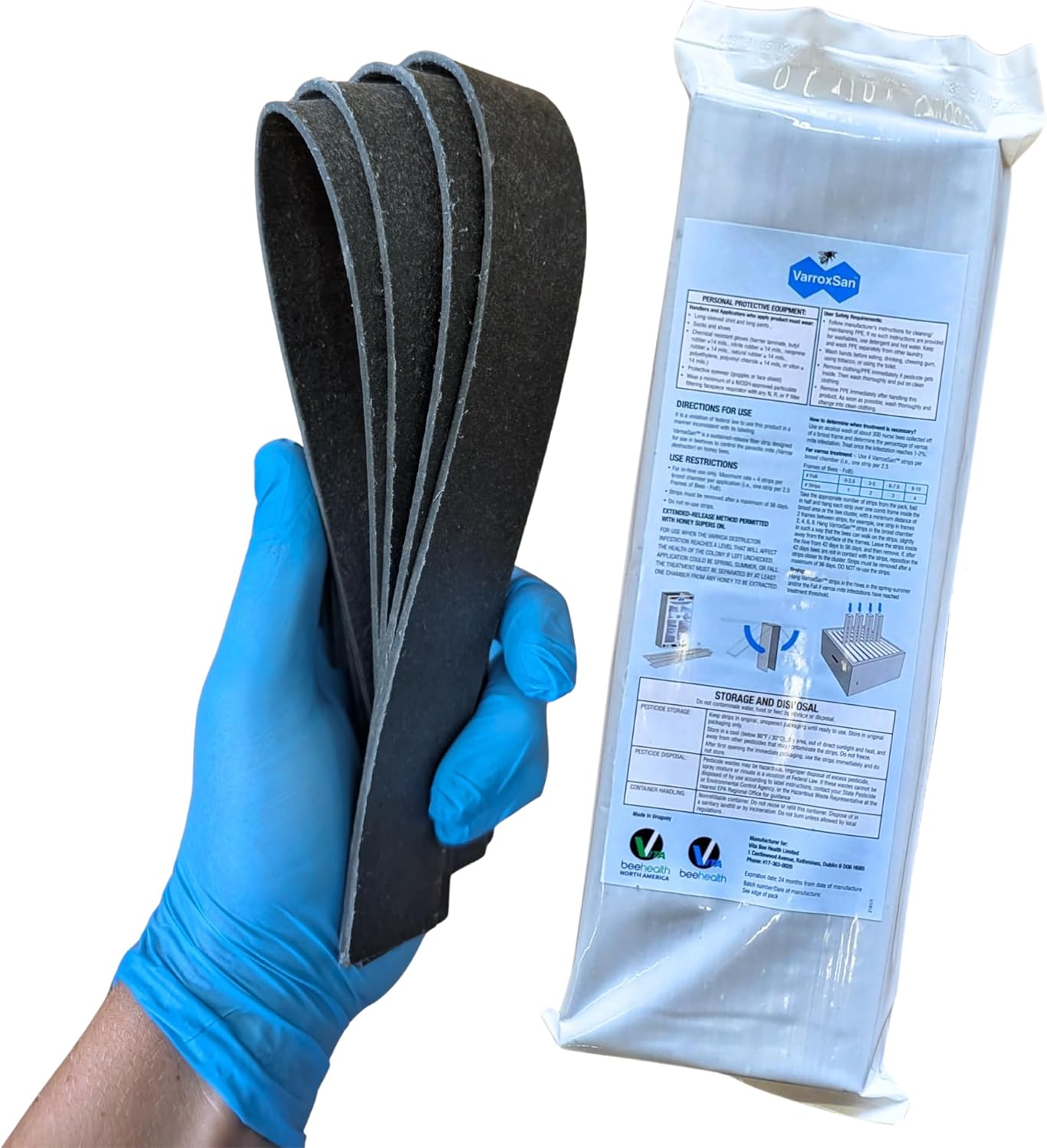
Oxalic acid varroa treatment comes in two main forms: a liquid for dribbling onto bees or a powder for vaporizing. Liquid application is simpler for beginners and requires less equipment, though vaporization may be more effective. Buy from a beekeeping supplier and follow the label exactly—dosing matters.
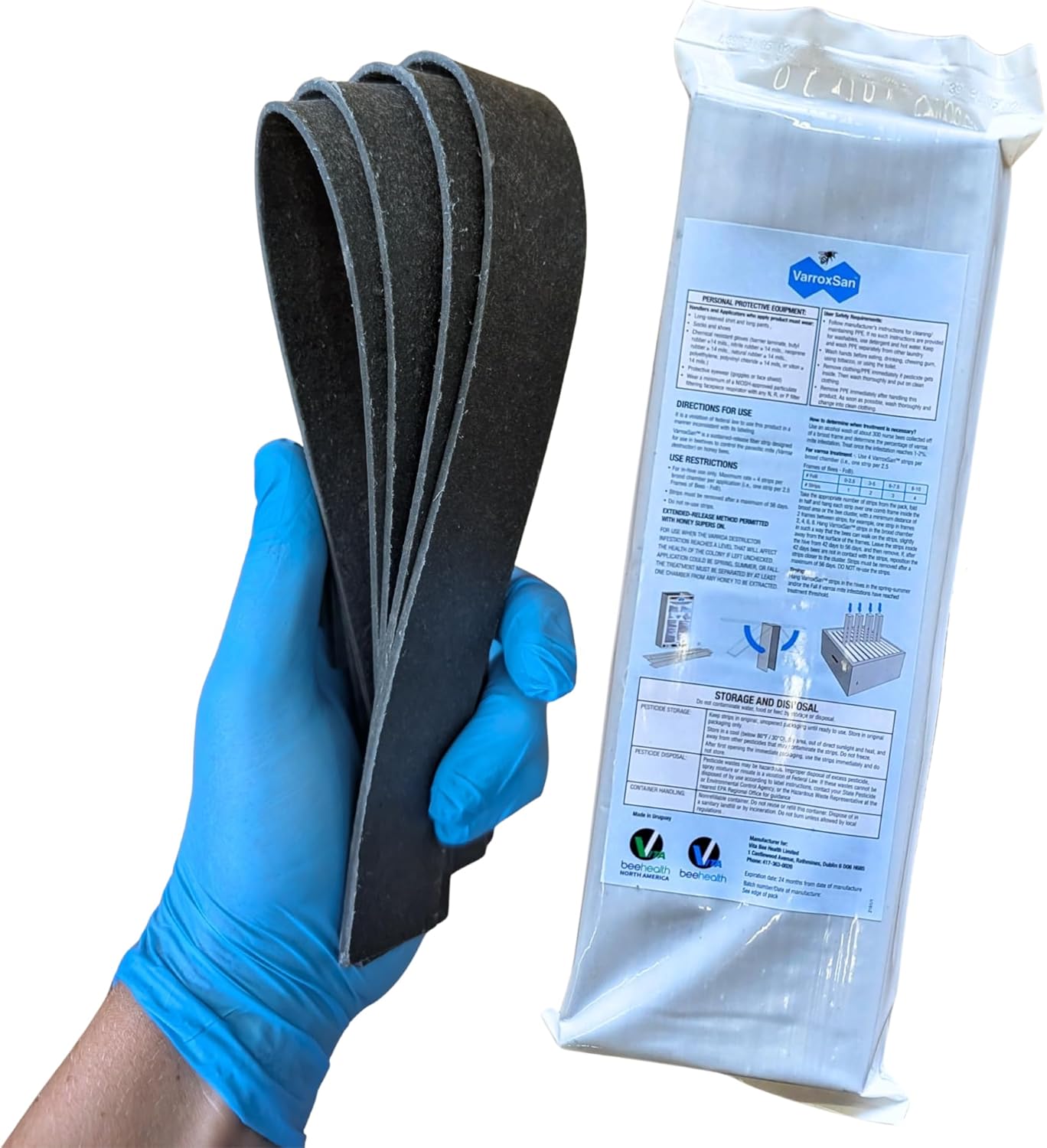
Formic acid varroa treatment is typically sold in commercial formulations like gel packs or strips that release acid slowly. These reduce spill risk compared to raw formic acid, but they're still potent and require careful handling. Only use if you're confident in your safety protocols and have a specific reason to treat year-round.
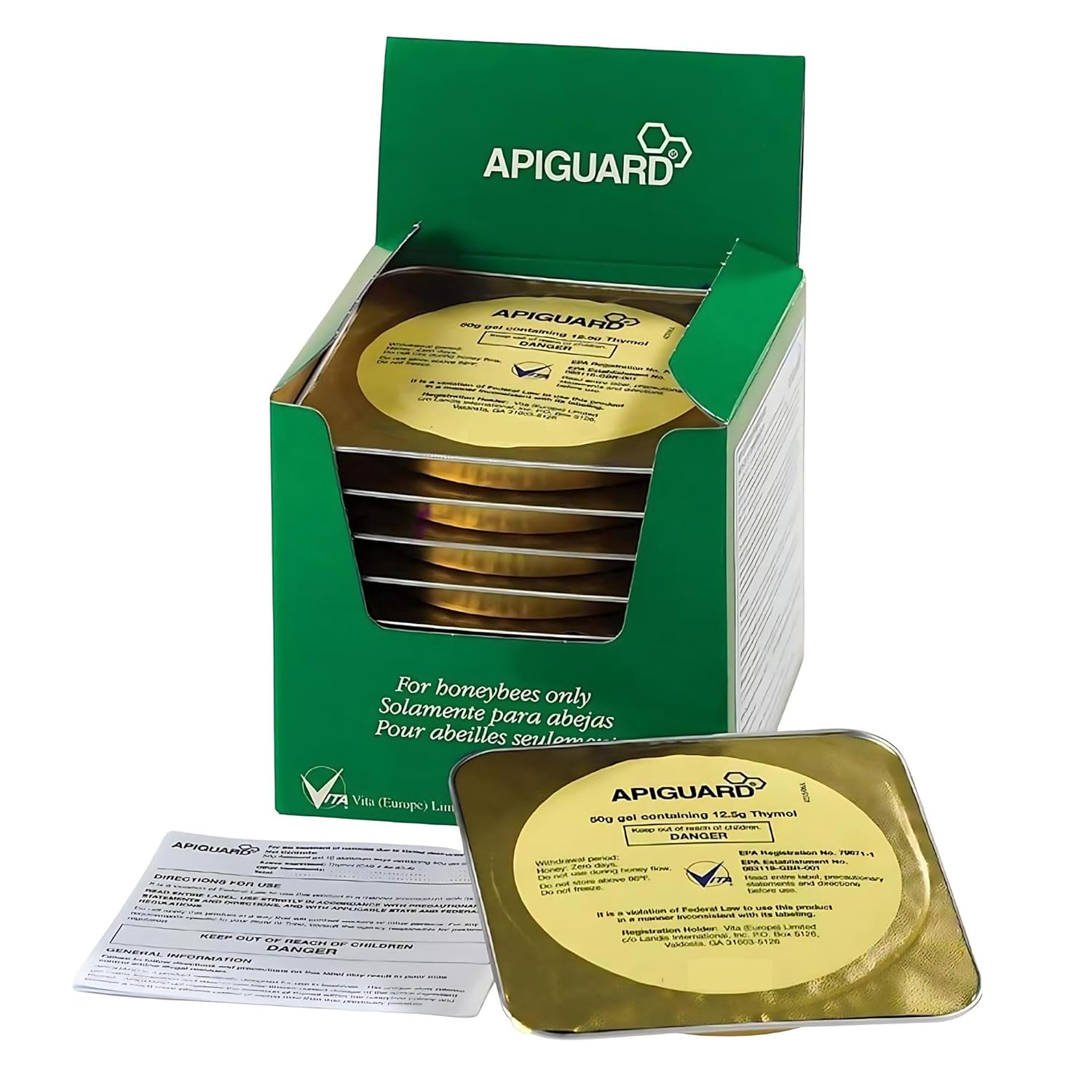
Thymol varroa treatment is sold as strips or boards that hang in the hive and release thymol vapor over weeks. It's the most forgiving option and works well for hobbyists who prefer a set-it-and-forget-it approach, though results are slower and less dramatic than the other two.
Temperature Restrictions for Each
Oxalic acid varroa treatment is temperature-sensitive, and most guidance places the workable range at roughly 40–60°F for dribble applications—essentially late fall through early winter in most regions. Vaporization (heating the acid to create a gas) can be used across a somewhat wider range; always follow the specific label directions for your registered product and application method. Too warm and bees cluster loosely, reducing contact between treatment and mites. Too cold and the acid may not distribute evenly. This sensitivity to conditions is why timing is critical.
Formic acid varroa treatment is temperature-sensitive in the opposite way. It works better in warmer conditions (ideally 50–85°F) and can harm brood or queens if applied when it’s too cold. Many beekeepers avoid it in spring and fall because the temperature swings make it unpredictable. Summer application requires caution since heat stress plus formic acid can weaken colonies.
Thymol varroa treatment has the widest temperature tolerance and can be used spring through fall (roughly 50–85°F). It’s slower in cool weather but doesn’t become dangerous. This flexibility is one reason some hobbyists prefer it—you’re not locked into a narrow treatment window. The trade-off is that you’re treating for longer and results are less dramatic.
Practical note: If you’re in a cold climate with a short season, oxalic acid fits naturally into your schedule. If you want flexibility, thymol gives it to you.
Safety Considerations for the Beekeeper
Oxalic acid varroa treatment is moderately hazardous. It’s corrosive and can burn skin and eyes. You need gloves, eye protection, and a respirator if you’re vaporizing it (heating it to create a gas). The good news: it breaks down quickly and doesn’t accumulate in hives or honey. Residue risk is very low if you follow label directions. Important: oxalic acid and formic acid products are regulated pesticides in most countries. Always use a product that is registered for use in your region and follow its label exactly—the label is a legal requirement, not optional guidance.
Formic acid varroa treatment is the most dangerous of the three. It’s a strong acid that can cause chemical burns, and its fumes are irritating and harmful if inhaled. You absolutely need a respirator, gloves, and eye protection. Some commercial formulations are pre-measured to reduce spill risk, but mistakes happen. Formic acid also lingers longer in the hive, so ventilation matters.
Thymol varroa treatment is the safest for the beekeeper. It’s a natural compound (derived from thyme) and poses minimal acute hazard. You don’t need a respirator, though gloves are still sensible. The main concern is that it can irritate mucous membranes if you’re sensitive, but serious injury is rare. This is why it’s often recommended for beginners.
Honest take: If you’re uncomfortable with chemicals, thymol is your answer. If you’re willing to follow safety protocols carefully, oxalic acid is manageable. Formic acid requires the most discipline and isn’t the best starting point for most hobbyists.
Side-by-Side Comparison Table
| Factor | Oxalic Acid | Formic Acid | Thymol |
|---|---|---|---|
| Typical Mite Kill Rate | 90–98% | 80–95% | 70–90% |
| Penetrates Sealed Brood | No | Yes | No |
| Approximate Temperature Range | ~40–60°F (method-dependent) | 50–85°F | 50–85°F |
| Timing Flexibility | Low (broodless period ideal) | Medium (year-round possible) | High (spring–fall) |
| Beekeeper Safety Risk | Moderate | High | Low |
| Application Time | 1–2 treatments | 1–2 treatments | 3–4 weeks continuous |
| Cost | Low | Medium | Medium–High |
| Beginner-Friendly | Yes, if timed right | No | Yes |