Fix Bee Suit Issues for Better Beekeeping
A bee suit is essential for safe and effective beekeeping, but even the best equipment can run into problems. Whether your bee suit isn’t working as expected or you’re dealing with aggressive bees, this guide will help you troubleshoot common issues and keep your beekeeping experience smooth and productive.
Why Bee Suit Isn’t Working Properly
If your bee suit isn’t providing the protection you need, it could be due to several factors. First, check for gaps or tears in the fabric. Bees can easily find their way through even small openings, so inspect the seams, zippers, and veil carefully. A suit like the LONGADS Professional Bee Suit is designed with reinforced stitching to minimize this risk.
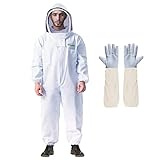
Another common issue is improper sizing. If your suit is too tight or too loose, it can restrict movement or leave gaps that bees can exploit. Make sure you choose a suit that fits snugly but comfortably, like the ANDES Sting Proof Bee Suit, which offers adjustable features for a secure fit.

Lastly, consider the material. Some bee suits are made from lightweight fabrics that may not provide adequate protection against stings. Opt for suits with multiple layers or thicker fabric to ensure maximum safety.
How to Strengthen or Revive Bee Suit
Over time, your bee suit may show signs of wear and tear, but there are ways to extend its lifespan. Start by washing it gently after each use to remove propolis and other debris that can weaken the fabric. Avoid harsh detergents and opt for mild soap instead.
If your suit has small tears or holes, repair them promptly with a patch kit designed for bee suits. This will prevent further damage and keep bees from finding their way in. For suits with worn-out elastic or loose stitching, consider reinforcing these areas with additional stitching or replacing the elastic bands.
For those looking for a durable option, the LONGADS Professional Bee Suit is built to withstand frequent use and comes with gloves and a protective veil for added convenience.
Bee Suit Features That Help With Defensive Bees
A bee suit doesn’t make bees more or less aggressive — that comes down to colony genetics, weather, and how the hive is handled. But the right suit makes a defensive hive far safer to work. Ensure your suit covers all exposed skin, including your ankles and wrists. A suit with a fencing veil, like the ANDES Sting Proof Bee Suit, provides better visibility and protection compared to traditional round veils.
Additionally, avoid wearing dark colors or strong scents, as these can provoke bees regardless of your suit. Stick to light-colored suits and use a bee smoker to calm the hive before approaching.
By addressing these issues and choosing the right bee suit, you can enjoy a safer and more rewarding beekeeping experience.