Wildflower Honey vs. Clover Honey
Honestly, if you’re just starting out as a beekeeper, you don’t need to worry about the difference between wildflower and clover honey yet. Both are real products you’ll encounter when buying honey or learning about what your bees might produce, but this comparison matters more once you’re selling honey or getting curious about regional beekeeping. That said, understanding these two common types gives you useful context about how location and plant life shape what your hives can make.
Flavor Differences
Clover honey has a mild, clean, slightly sweet taste with almost no aftertaste. It’s the most neutral honey you’ll find—which is exactly why it became the standard table honey in North America. When you taste clover honey, you’re tasting honey without much personality. The flavor comes almost entirely from white or red clover flowers, so there’s consistency from jar to jar and year to year.
Wildflower honey is the opposite. It tastes like whatever bloomed near the hives—could be sharp and floral, could be earthy, could have hints of caramel or herbs. A jar from one region might taste completely different from a jar labeled wildflower honey from somewhere else. Some people find wildflower honey more interesting and complex; others find it unpredictable and prefer the straightforward sweetness of clover. If you’re a beginner beekeeper in an area with diverse flowering plants, your bees will naturally make something closer to wildflower honey because they’re visiting many different flowers. In regions where clover dominates (like much of the Midwest), your honey will lean toward clover characteristics whether you plan for it or not.
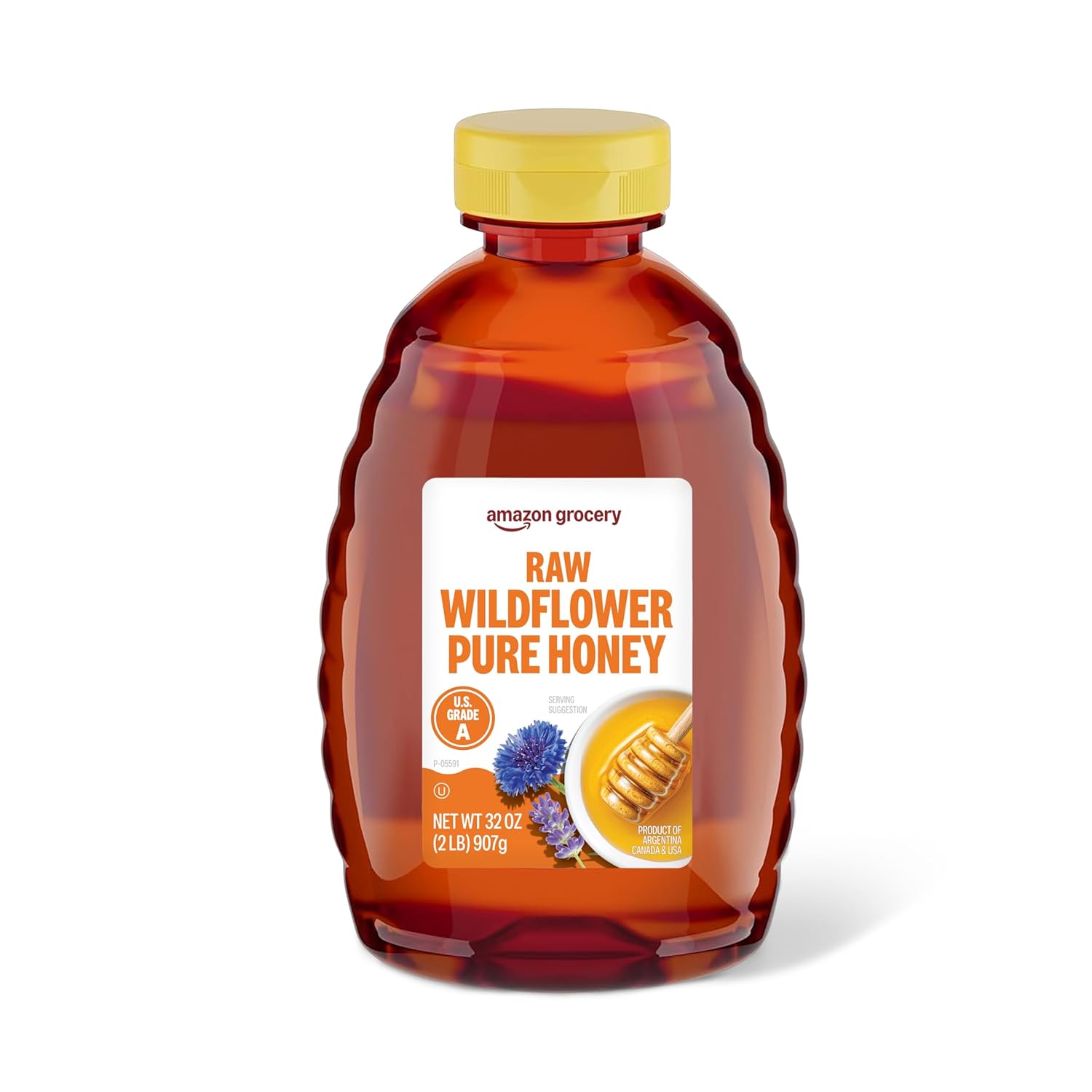
Wildflower honey from a local beekeeper in your region is worth trying if you can find it at a farmers market or co-op—it'll show you what your own bees might eventually produce, and supporting local beekeepers gives you a real connection to the craft before you start your own hives.
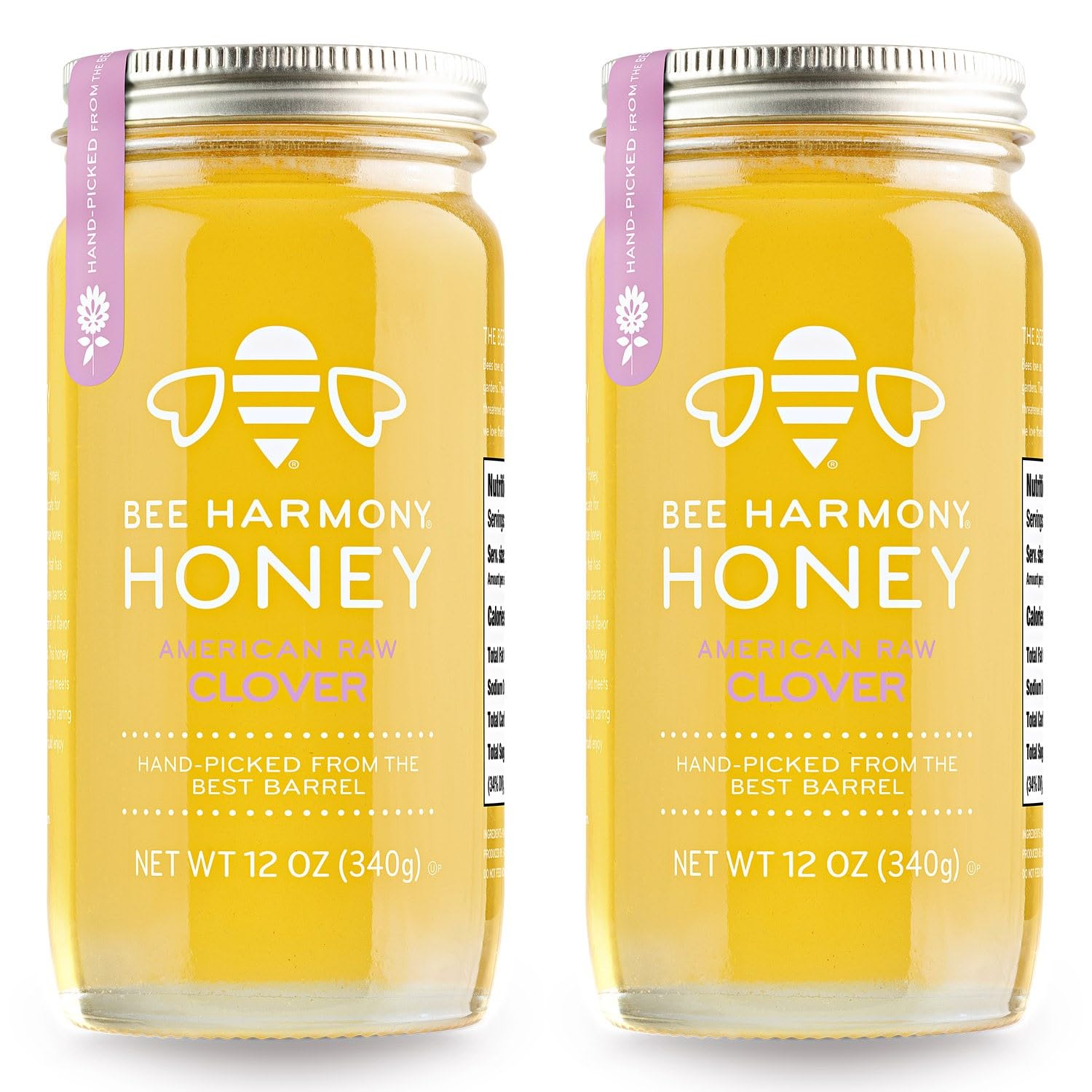
Clover honey from a reputable producer gives you a baseline for what "standard" honey tastes and looks like, which is useful for comparison and for understanding why it became the commercial standard in the first place.
Color and Appearance Differences
Clover honey is pale gold or light amber—almost translucent when you hold a jar up to light. It crystallizes quickly and finely, which gives it a smooth, creamy texture after a few weeks or months. This pale color and fine crystallization are actually why clover honey became popular commercially; it looks clean and refined on store shelves.
Wildflower honey ranges from medium amber to dark brown depending on which flowers the bees visited. Darker wildflower honey often comes from areas with diverse blooms including darker-colored flowers or plants like buckwheat or goldenrod. It crystallizes more slowly and unevenly than clover honey, sometimes staying liquid for months. The color variation is one reason wildflower honey feels more rustic or “authentic” to some buyers, though the color itself doesn’t tell you anything about quality or nutrition.
Which Is More Common Regionally
Clover honey dominates in the upper Midwest and northern Great Plains—states like Wisconsin, Minnesota, North Dakota, and parts of Canada where white clover grows abundantly in pastures and fields. It’s also common in the Northeast. You’ll find clover honey labeled as such in most grocery stores because it’s been the standard American honey for over a century.
Wildflower honey is more common in the South, Southwest, and anywhere with diverse native plants. It’s especially common in regions where beekeepers deliberately move hives to follow different blooms throughout the season, or where the landscape naturally supports many flowering species. If you’re in the Southeast, Appalachia, or areas with mixed forests and meadows, wildflower honey is what local beekeepers typically produce. Some regions don’t really have a “typical” type—it depends entirely on what’s blooming in any given year.
Which One Sells Better
Clover honey sells better in mainstream grocery stores and to buyers who want a safe, familiar choice. It’s the honey most people grew up with, and it works well in tea, baking, and as a neutral sweetener. Restaurants and food manufacturers prefer it for the same reason—consistency and predictability.
Wildflower honey sells better at farmers markets, specialty food shops, and to customers specifically seeking local or artisanal products. It commands a slightly higher price because it’s perceived as more interesting and unique. If you’re a beginner thinking about selling honey someday, understand that clover honey is easier to market to the general public, but wildflower honey appeals to a smaller group willing to pay more for character and locality.