Oxalic Acid vs. Formic Acid Treatment
Varroa mites are the biggest pest problem most beekeepers face, and treating them is essential. Two chemical treatments—oxalic acid and formic acid—are popular choices because they actually work and cost less than many alternatives. Both are regulated treatments; always follow the product label exactly, and check whether your local or state regulations require any registration or record-keeping before you treat. Before you decide between them, understand that beginners often don’t need to choose right away; many new beekeepers treat only once or twice per year and can start with whichever fits their schedule and comfort level.
How Oxalic Acid Works
Oxalic acid kills varroa mites by disrupting their nervous system when it comes into contact with them. The acid is applied as a liquid drip, spray, or vapor directly onto the bees and into the hive. When applied as a drip (the most common method for beginners), you pour a measured amount of oxalic acid solution down between the frames where mites are hiding. The bees naturally groom themselves and each other, spreading the acid across their bodies and into crevices where mites live. Oxalic acid also kills mites that are already on adult bees—it doesn’t require mites to be in brood cells (the area of the hive where eggs and developing bees are raised) to be effective, which is a real advantage. The treatment works quickly; you’ll see dead mites on the hive floor within hours. Because oxalic acid doesn’t penetrate sealed brood (cells that have been capped over with wax while young bees develop inside), you may need multiple treatments a few days apart to catch mites that emerge from those capped cells.
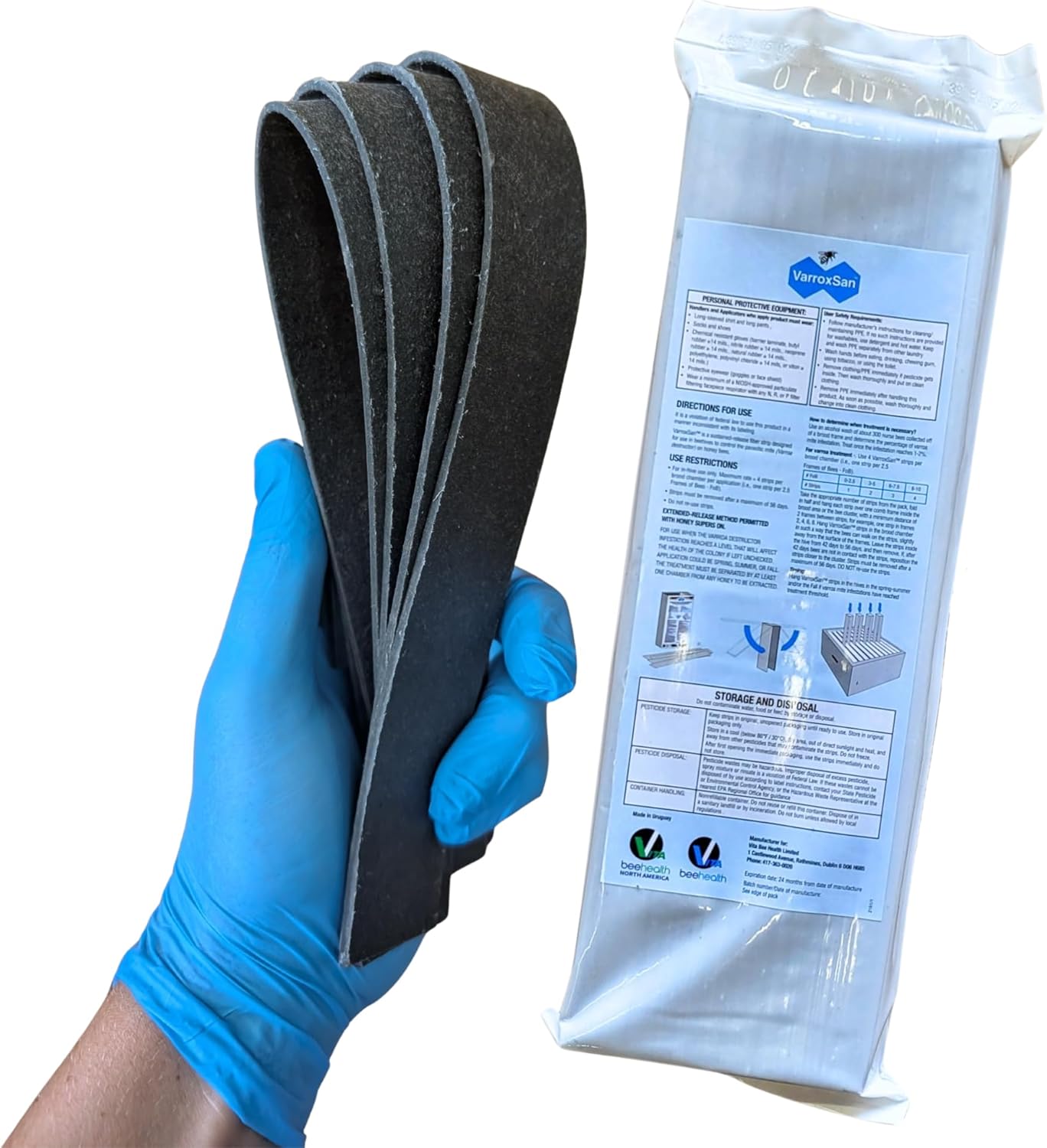
Oxalic acid varroa treatment is widely available from beekeeping suppliers and usually comes as a pre-mixed liquid or powder you dissolve in water. Look for products labeled specifically for varroa treatment; they're affordable (typically $15–30 per treatment) and require only a syringe or small applicator bottle to apply. Most come with clear instructions and are beginner-friendly.
How Formic Acid Works
Formic acid is more aggressive than oxalic acid—it kills mites through chemical burn and also penetrates into sealed brood cells, reaching mites hiding inside. This is applied using specialized strips or pads (like the Formic Pro or similar products) that release formic acid vapor inside the hive over several days. The vapor spreads throughout the hive and reaches mites wherever they are, including those protected inside capped brood. Formic acid is particularly useful in late summer and fall when you have a lot of sealed brood and oxalic acid alone might miss many mites. The downside is that formic acid can stress or even kill bees if temperature and humidity aren’t right, and it has a strong smell that some beekeepers find unpleasant. Treatment usually takes 7–10 days, and you need to monitor the hive during application to make sure bees aren’t being harmed.
Temperature and Timing Restrictions for Each
Oxalic acid drip works best when temperatures are cool and the hive is broodless or nearly broodless—typically in late fall or early winter after the main brood cycle has ended. If you apply it during warm months when there’s lots of brood, you’ll miss many mites hiding in sealed cells and waste your effort. You can apply oxalic acid on cooler days, but the bees need to be clustered enough that the liquid reaches them; if it’s too warm, they’ll scatter and the treatment won’t work well. Formic acid strips require temperatures to stay within a moderate range to release vapor at the right rate—consult the specific product label for the approved temperature window, as it varies by product. If it’s too cold, they won’t work; if it’s too hot, they can release too quickly and damage the hive. Formic acid works better when there’s brood present because the vapor penetrates sealed cells, so it’s ideal for mid-to-late summer or early fall. Never use formic acid if temperatures are forecast to reach the upper limit stated on your product’s label during treatment—the hive can overheat and bees may abscond (leave the hive entirely and not return). Both treatments require you to check your local weather forecast and plan ahead; don’t just treat on a whim.
Which One to Use When
Use oxalic acid in late fall or winter when your hive is mostly or completely broodless and temperatures are cool. It’s simpler to apply, cheaper, and works fast with minimal stress to the bees. If you’re treating in November or December in a cold climate, oxalic acid is your go-to choice. Use formic acid in mid-to-late summer or early fall when you still have sealed brood and temperatures are moderate. It kills more mites in one treatment because it reaches brood cells, so you don’t need to retreat as often. If your hive is heavily infested and you want a strong kill rate in a single application, formic acid is the better choice—but only if weather permits. Some experienced beekeepers use both: oxalic acid in fall/winter and formic acid in late summer. For beginners, pick one and stick with it until you’re comfortable; most hobbyists do fine treating once in late fall with oxalic acid and calling it done. If you’re in a warm climate where winters are mild, formic acid might be your only realistic option because you rarely get the cold, broodless window that oxalic acid needs.