Common Mistakes for New Beekeepers
Most beginner beekeepers make mistakes not because they’re careless, but because bees don’t behave the way we expect. The good news is that most of these errors are fixable, and knowing what to avoid will save you money, frustration, and colonies. This guide covers the five most common pitfalls and how to sidestep them.
Opening the Hive Too Often
New beekeepers often peek into their hives constantly—sometimes daily—out of curiosity or worry. Every time you open the hive, you disrupt the colony’s internal temperature, scatter the bees’ pheromone communication, and interrupt their work. A disrupted hive is a stressed hive, and stressed bees are slower to build comb, slower to lay eggs, and more prone to swarming.
A good rule: open your hive only when you have a specific reason. In the first month, once is enough—just a quick check that the queen is laying eggs and the bees are drawing comb. After that, inspect every 7–10 days during the active season (spring and summer), but only if you’re looking for something concrete: checking for disease, monitoring brood patterns, or assessing food stores. In fall and winter, leave them alone unless you suspect a real problem.
When you do open the hive, work quickly and calmly. Smoke them gently, work from the edges inward, and close them back up within 15 minutes if possible. Bees can forgive one intrusive beekeeper; they struggle with ten.
Under-Feeding a New Colony
A package of bees or a new nucleus colony arrives with almost no stored food. They need to draw comb, lay eggs, and feed larvae—all of which requires enormous energy. If you don’t feed them, they’ll starve before they can gather enough nectar to sustain themselves, even in a good season.
Feed a new colony for at least the first 4–6 weeks, or until they’ve filled two full frames with capped honey. Use a 1:1 sugar-to-water ratio (by weight) in spring and early summer, then switch to 2:1 in late summer and fall to help them build winter stores. A bee feeder makes this simple and keeps bees from drowning in the feed.
Many beekeepers stop feeding too early because the hive “looks full” or because they assume summer nectar flow will take over immediately. Nectar flow is unpredictable. A week of rain or cool weather can halt foraging completely. An underfed colony will consume their own brood to survive, setting them back weeks. It’s cheap insurance: a few dollars in sugar costs far less than a dead colony.
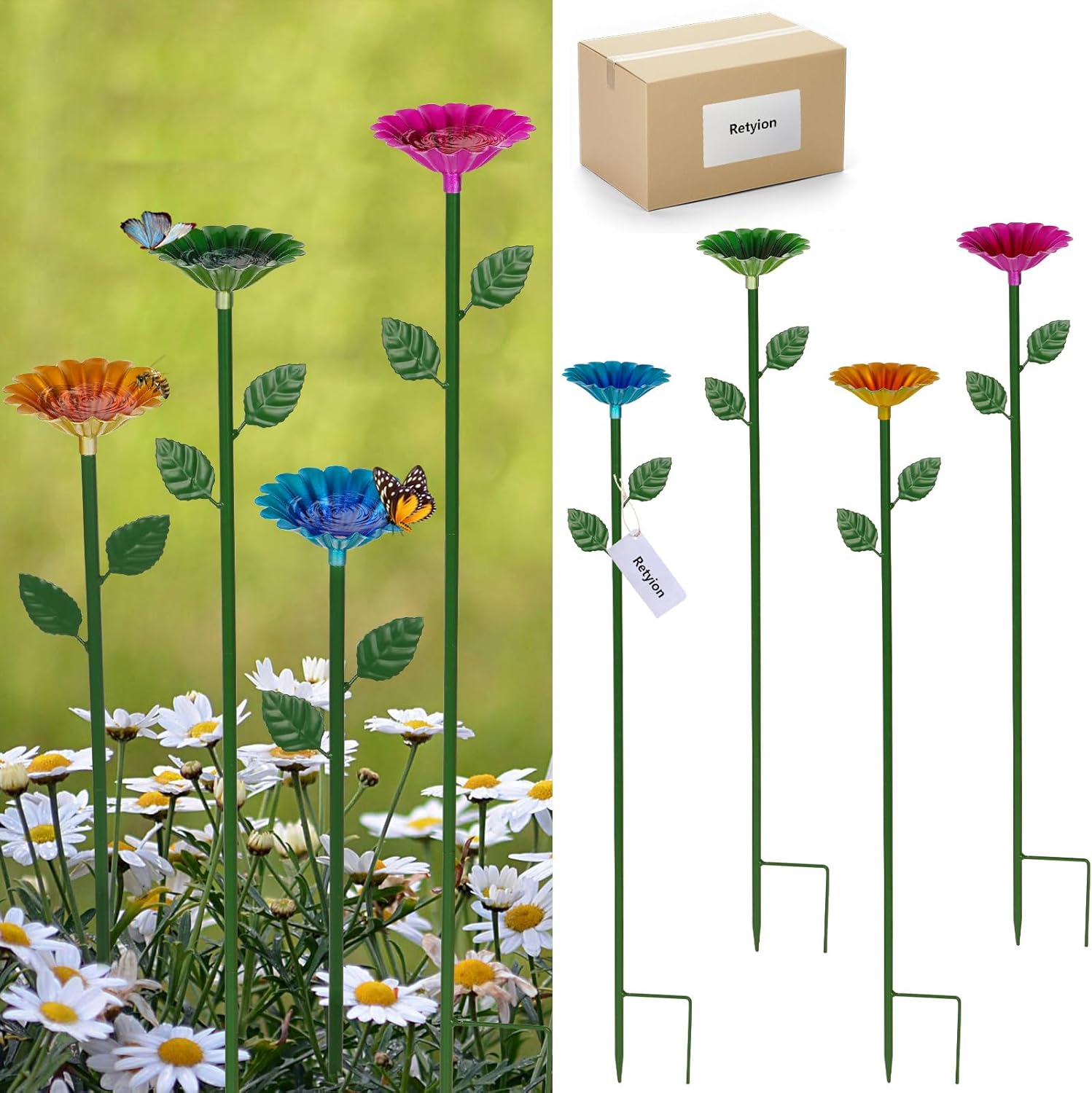
A bee feeder (usually a top feeder or entrance feeder) lets you supply sugar water to a new colony without bees drowning in it, and it keeps wasps and other insects out of the feed. It's one of the few specialized tools that actually saves time and prevents real problems.
Ignoring Mites Until It’s Too Late
Varroa mites are the single largest threat to a new colony. These tiny parasites attach to adult bees and drink their blood, weakening the colony and spreading viruses. A colony can look healthy on the surface while mites are destroying it from within. By the time you notice a problem—crawling bees, deformed wings, sudden collapse—the damage is often irreversible.
Check for mites every 2–3 weeks during the active season using a simple sugar roll or alcohol wash (sugar roll is non-lethal; alcohol wash is lethal to the sampled bees). If you find more than 2–3 mites per 100 bees, treat immediately. Don’t wait for “official” treatment thresholds or hope they’ll go away on their own. They won’t.
Beginners often skip mite monitoring because it feels technical or because they assume their bees are fine. This is the mistake that kills more colonies than any other. Spend 10 minutes every few weeks checking, and you’ll catch problems early. Ignore mites, and you’ll lose your hive by fall.
Buying the Wrong Starter Equipment
New beekeepers often buy too much equipment or the wrong kind. You do not need a honey extractor, a bee suit with a veil that costs $200, or a smoker the size of a fire hydrant. You also don’t need a second hive in year one—one colony is enough to learn from.
What you actually need: a hive (usually a 10 frame Langstroth), a smoker, a hive tool, a veil, and a bee feeder. A basic bee suit or light jacket works fine; bees care about your behavior, not your outfit. Buy used equipment when possible—it’s cheaper and just as good. Avoid specialty gadgets and “innovations” marketed to beginners. Beekeeping has worked the same way for decades because it works.
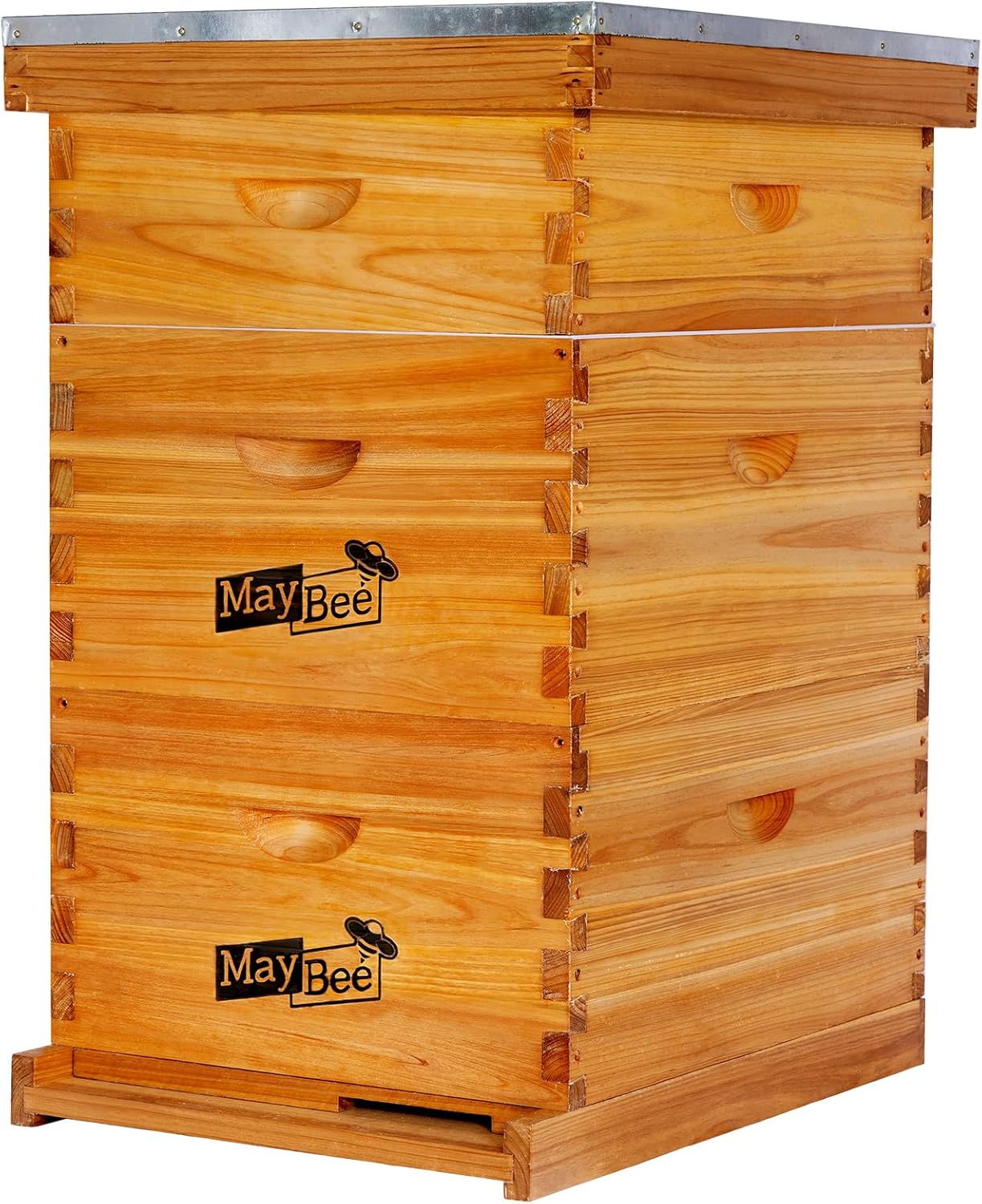
A 10 frame langstroth hive kit gives you the most common hive type, which means easier equipment sourcing and better resale value if you decide beekeeping isn't for you. It comes assembled or flat-pack, and it's the industry standard for a reason—not because it's fancy, but because it works reliably.