Best Varroa Mite Treatments for Beginners
Varroa destructor mites are the most serious pest threat to backyard bees, and treating them is not optional—colonies left untreated usually collapse within two years. The good news: effective treatments exist, most are affordable, and you don’t need expensive equipment. This guide covers what actually works for beginners, what’s overkill, and what to skip entirely.
Best Overall Beginner Treatment
Oxalic acid varroa treatment is the most reliable choice for beginners because it works, costs very little, and doesn’t require special equipment beyond what you already have. Oxalic acid is applied as a liquid dripped onto the bees or as a vapor. The drip method is simpler: you mix oxalic acid powder with water and sugar, then dribble it between the frames of a broodless colony (usually in late fall or winter). One treatment costs under $20 total. Always wear appropriate PPE (gloves, goggles, respirator) when handling oxalic acid.
The main reason beginners succeed with this method is that there’s minimal room for error—you either apply it or you don’t. Timing matters: treat when there’s little to no brood, because oxalic acid only reaches mites on adult bees, not mites inside capped brood cells. A single treatment applied during a naturally broodless period—typically late November or December in temperate climates—is the standard drip protocol. Oxalic acid breaks down quickly in the hive and leaves no harmful residue.
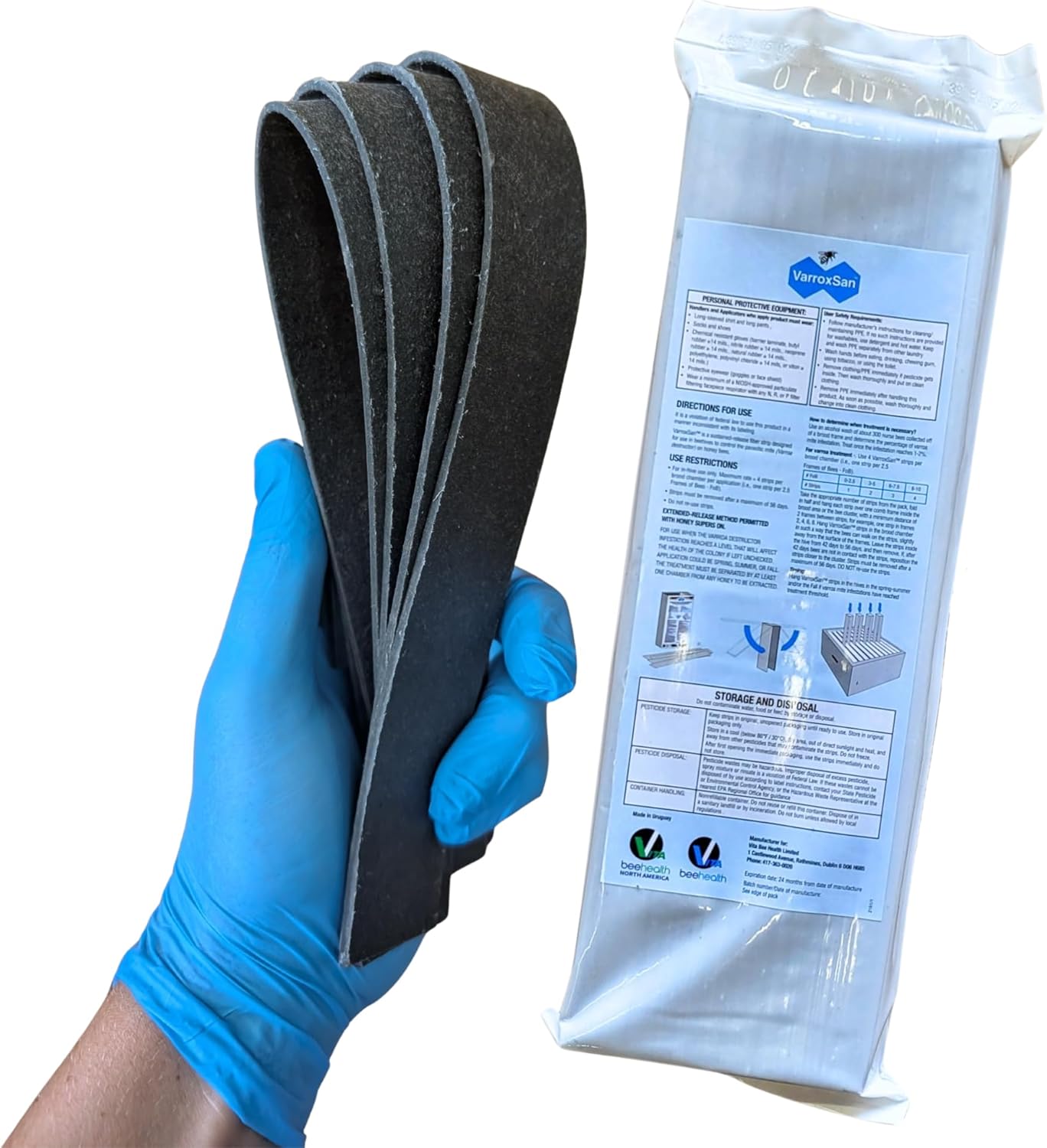
Oxalic acid varroa treatment comes as a powder that you mix with water and sugar, then apply as a trickle between frames. It's inexpensive (often under $15 per hive), requires no special equipment, and is highly effective when applied during a broodless period. Most beekeepers treat twice, seven days apart, in late fall or winter.
Best Natural/Organic Option
If you want to avoid synthetic chemicals entirely, natural varroa mite treatment using mechanical methods is your route—but understand that it’s less reliable than oxalic or formic acid. The most common natural approach is powdered sugar dusting, which is intended to cause mites to lose their grip and fall off the bees through the screened bottom board (a mesh floor that lets fallen mites drop out of the hive). It’s harmless to bees and cheap, but research consistently shows it has limited effectiveness as a standalone mite-reduction method, so you’ll need to repeat it frequently and combine it with other approaches.
Other natural options include essential oil-based treatments, which show mixed results in real-world use. Some beekeepers report success; others find they’re unreliable. If you go this route, expect to combine methods—monitoring plus possibly a second treatment method later in the season. Natural treatments work best as prevention in low-mite populations, not as a rescue for heavy infestations. If your colony already shows signs of mite damage (spotty brood, deformed wings on emerging bees), you’ll likely need something stronger.
Natural varroa mite treatment using powdered sugar is the safest option for bees and requires only food-grade powdered sugar and a dredger or shaker. It removes 50–70% of mites per application and must be repeated every few days over several weeks, making it labor-intensive but ideal for beekeepers who prioritize organic methods or want a low-risk first step.
Easiest Treatment to Apply Correctly
Formic acid varroa treatment is arguably the easiest to apply because you set it and leave it—no mixing, no precise timing, minimal judgment calls. Formic acid pads or gel strips go into the hive, and the acid vapor does the work over several days. You don’t have to find a broodless period (though timing still affects efficacy), and you don’t have to calculate dosages or worry about dripping the right amount onto frames.
The catch: formic acid is caustic and requires careful handling. Always wear appropriate PPE (gloves, goggles, respirator) when handling formic acid, and follow the product instructions exactly—improper use can harm or kill your bees. It also works best in moderate temperatures (roughly 50–80°F), so spring or fall application is ideal. Some beekeepers find it easier than oxalic acid; others prefer oxalic acid’s simplicity. If you’re uncomfortable handling a corrosive chemical, stick with oxalic acid drip. If you’re detail-oriented and can follow instructions precisely, formic acid is reliable and fast.
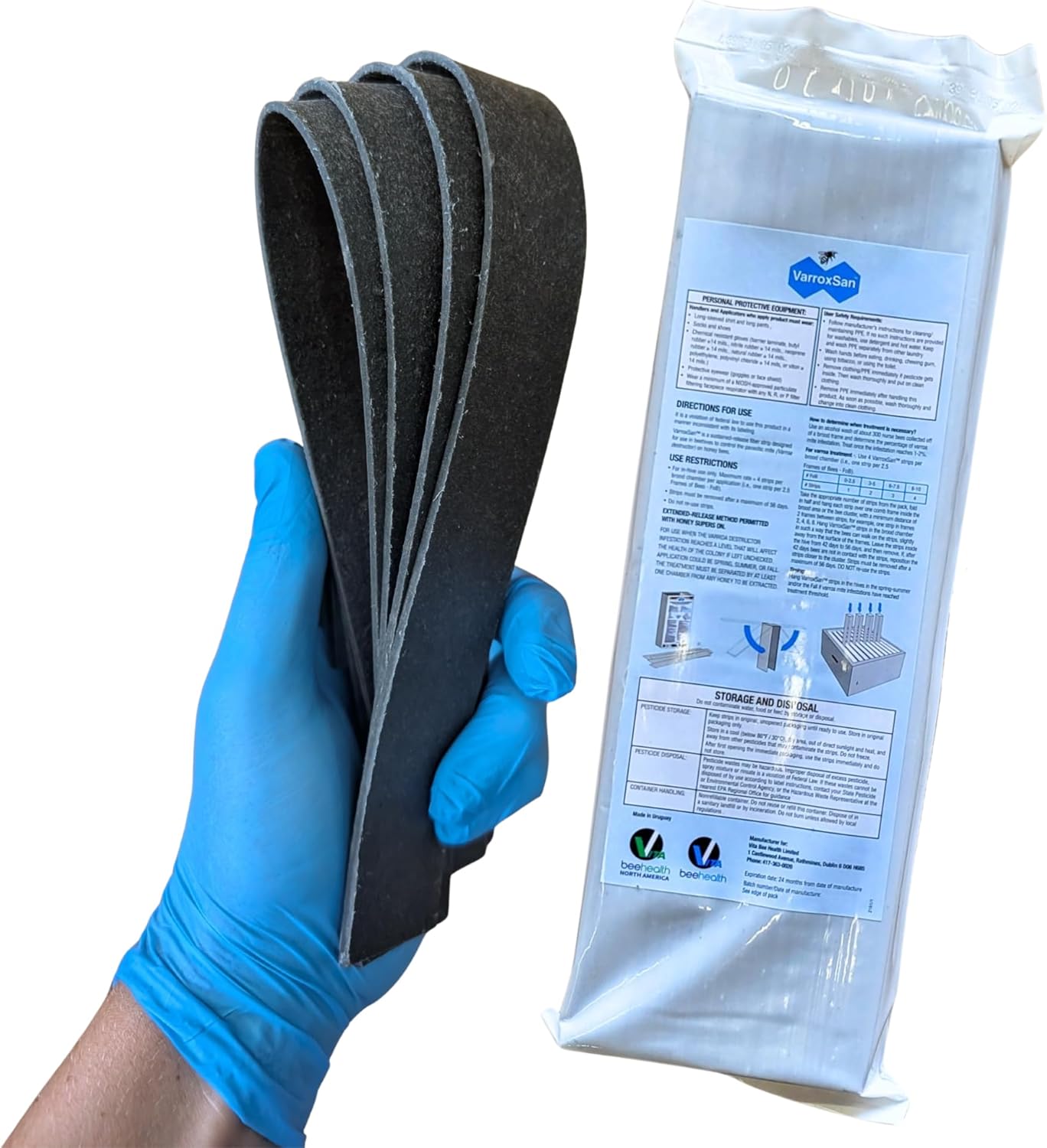
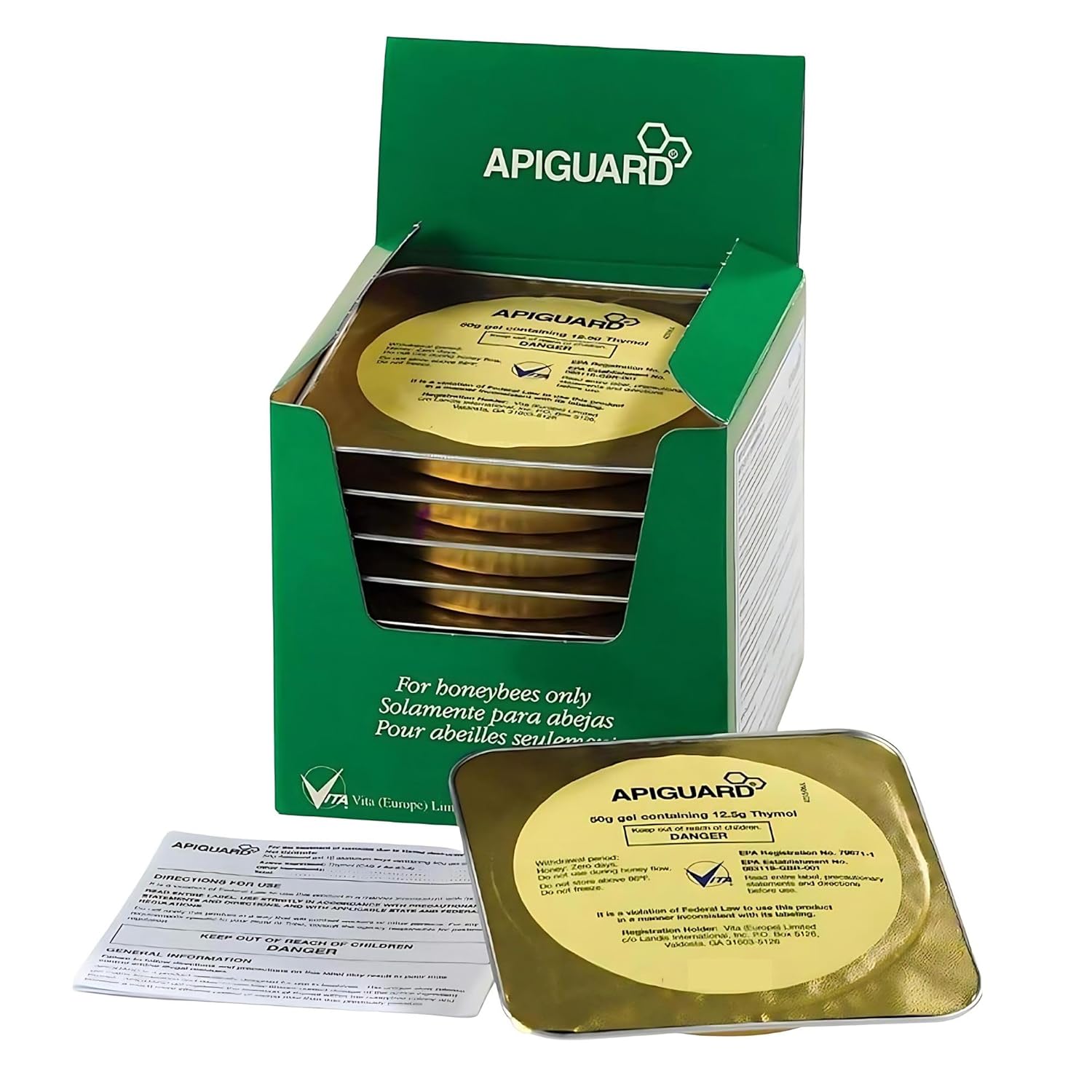
Formic acid varroa treatment is supplied as pads or gel that release vapor into the hive over several days without any mixing or application skill required. It works faster than oxalic acid but must be used within specific temperature ranges and handled carefully because the chemical is caustic. Follow the manufacturer's instructions precisely to avoid harming your colony.
Treatments to Avoid as a Beginner
Skip fluvalinate strips and other synthetic pyrethroids—they were widely used years ago but mites have developed resistance, and they’re increasingly ineffective. Don’t bother with “hive top feeders with mite treatments” or other gimmicks marketed as passive solutions; they don’t work well enough to rely on. Avoid expensive integrated pest management (IPM) monitoring kits unless you’re genuinely interested in counting mites for research—they’re useful for data but won’t treat an infestation.
Don’t attempt to treat without knowing your mite load first. The most reliable way to measure mite levels is an alcohol wash or sugar roll: you collect roughly 300 bees (about half a cup) from the brood nest and count the mites per 100 bees. A result of 2% or higher (2 mites per 100 bees) is the widely used threshold at which treatment is recommended—don’t wait for visible symptoms. If you’re already seeing deformed wings or spotty brood, treat immediately. Guessing wastes time and money, and delays can cost you the colony.