Manual vs. Electric Extractor Comparison
A honey extractor spins frames to fling honey out of the comb, and it’s one of the few pieces of equipment worth buying before your first harvest. The choice between manual and electric comes down to how much time you want to spend, how much you can spend upfront, and how many hives you’re running. Most beginners start with a manual extractor and never feel the need to upgrade.
Speed and Labor Differences
A manual honey extractor requires you to turn a hand crank for 5–10 minutes per batch of frames, depending on how many frames you’re extracting at once and how hard you’re willing to work. Your arms will feel it. Most small-scale beekeepers extract 3–4 times per season, so the total time investment across a year is maybe 2–3 hours of cranking.
An electric honey extractor does the spinning for you. You load the frames, press a button, and walk away. Extraction takes roughly the same wall-clock time (the motor isn’t dramatically faster), but you’re not doing physical work. The real advantage shows up if you’re extracting 20+ frames in one session or if you have physical limitations that make hand-cranking difficult.
For a beginner with one or two hives, manual extraction is a non-event. You’ll spend less time cranking than you will cleaning up afterward. If you’re managing five hives or more, or you extract multiple times in quick succession, the electric option starts to make practical sense—not because it’s faster overall, but because it’s less tiring.
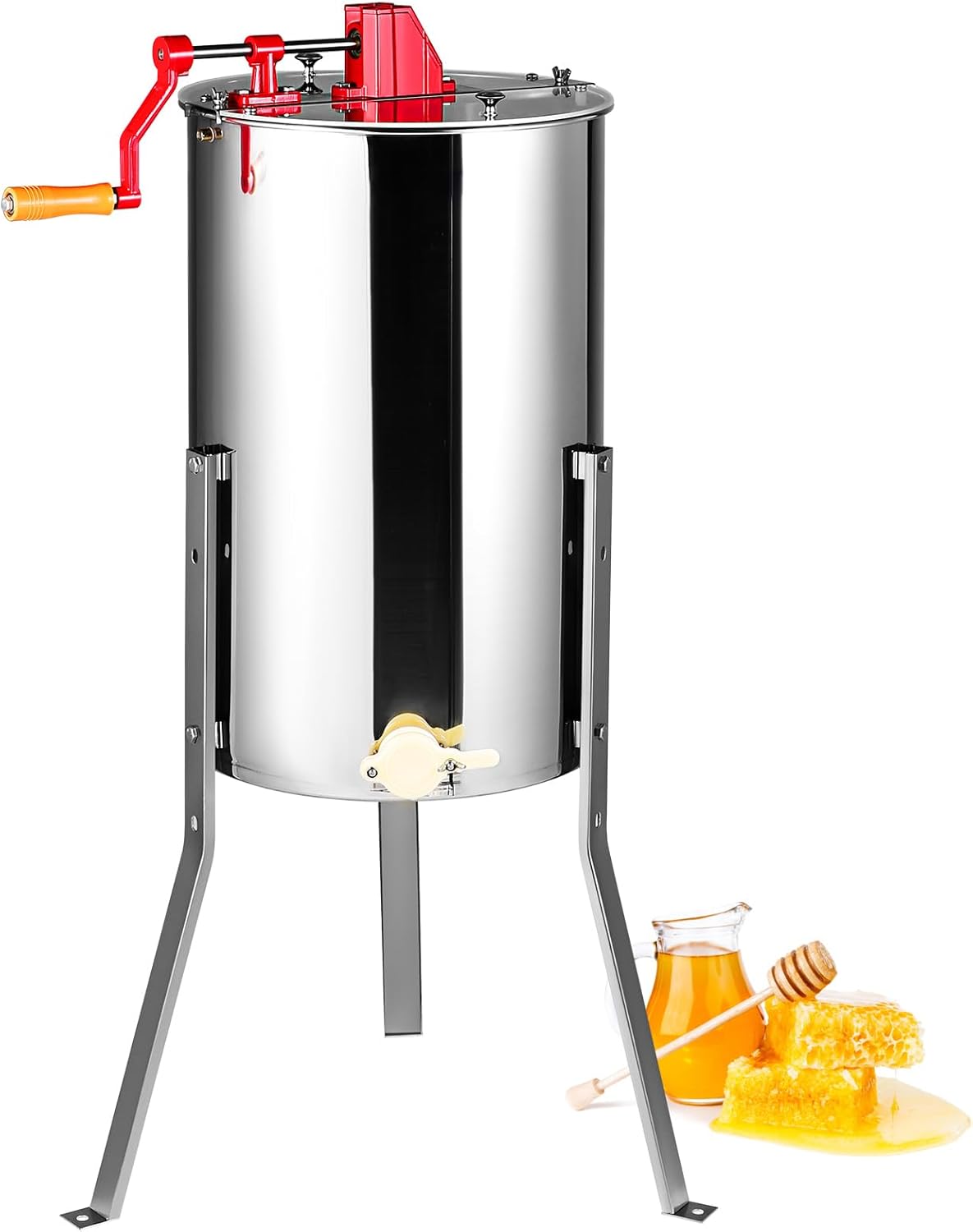
A manual honey extractor is the standard entry point for most hobbyists and works reliably for small operations. Look for a model with a stainless steel drum and a sturdy crank handle, which typically costs $200–$250 and will serve you well for decades.
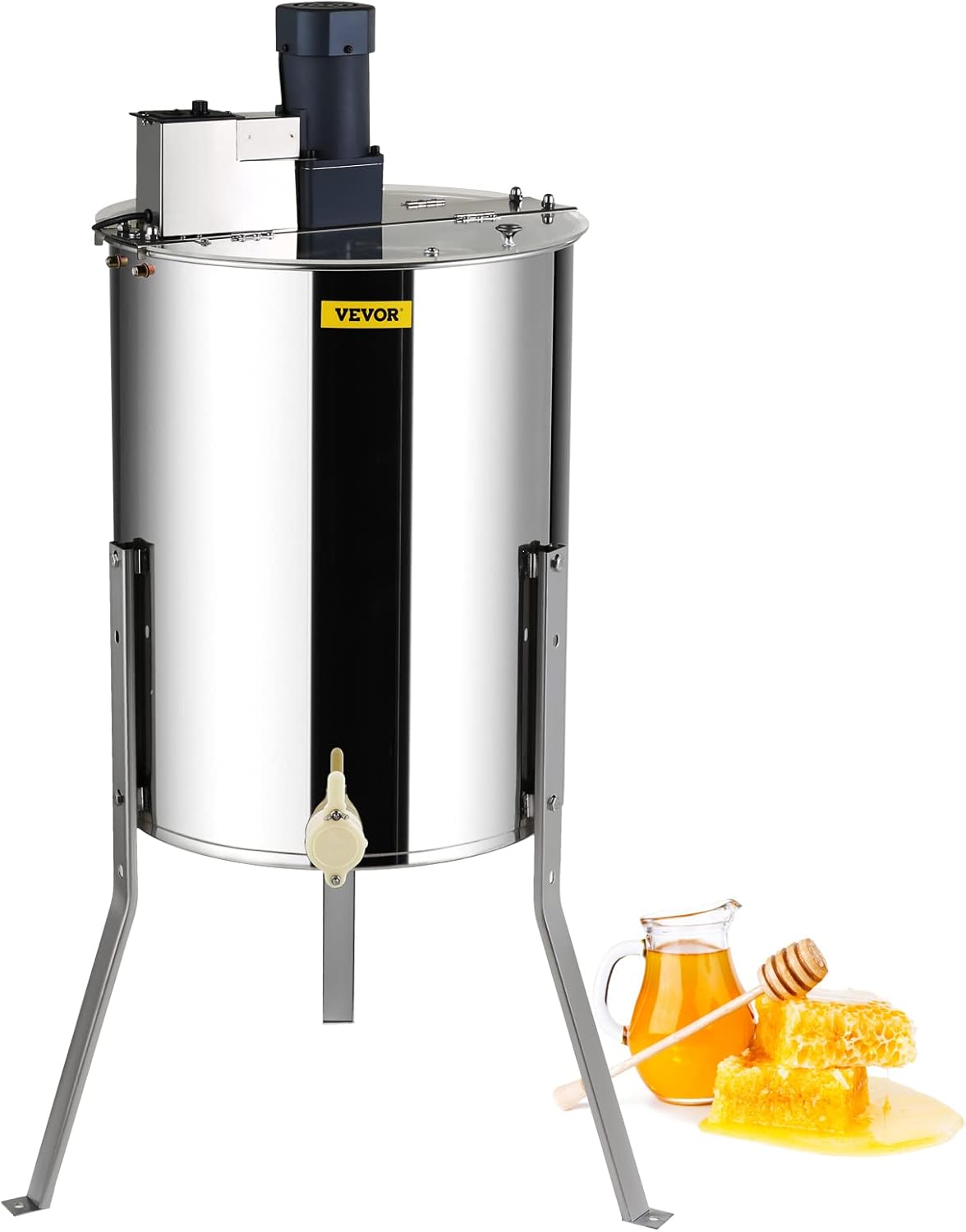
An electric honey extractor is worth the investment if you're committed to keeping multiple hives or processing honey regularly. Most mid-range electric models include variable speed controls and cost $500–$700, offering real convenience during peak extraction season without requiring constant physical effort.
Price Comparison
A manual honey extractor costs $150–$300 depending on capacity and build quality. You can find basic models for less, but they tend to be flimsy. A decent mid-range manual extractor will last decades if you take care of it.
An electric honey extractor runs $400–$800 for a comparable capacity. You’re paying for a motor, electrical components, and usually a more robust frame. Some beekeepers also factor in the cost of a dedicated power source if they’re extracting in a location without reliable electricity.
The price gap is real, but it’s not as dramatic as it sounds when you spread it over years of use. A $250 manual extractor used for 10 years costs $25 per year. A $600 electric extractor over the same period costs $60 per year. For a hobbyist, that difference is manageable—but only if you actually need the electric version. If you don’t, that money is better spent elsewhere (better frames, a second hive, or a good uncapping knife).
Best Use Case for Each
Manual extractors are the right choice if you have one to three hives, don’t mind a little physical work, and extract once or twice a year. They’re also ideal if you like simplicity—no motor to maintain, no electrical troubleshooting, and they work anywhere. Many experienced beekeepers with small operations stick with manual extractors by choice, not necessity.
Electric extractors make sense if you’re running four or more hives, extracting frequently (weekly during peak season), or if hand-cranking isn’t practical for you. They’re also worth considering if you’re selling honey commercially and need to process large batches efficiently. Some beekeepers also prefer them simply because they reduce fatigue during a long extraction day.
Neither type is necessary for a first-year beekeeper. Many beginners extract their first harvest by hand, using a borrowed extractor or a friend’s equipment. If you’re just starting, wait until you know whether you’ll keep bees long-term before investing.
Side-by-Side Comparison Table
| Feature | Manual Extractor | Electric Extractor |
|---|---|---|
| Upfront cost | $150–$300 | $400–$800 |
| Physical effort | High (hand-crank) | None (motor-driven) |
| Extraction time | 5–10 min per batch | 5–10 min per batch |
| Maintenance | Minimal | Motor servicing needed |
| Durability | 20+ years typical | 15–20 years typical |
| Best for | 1–3 hives, occasional use | 4+ hives, frequent use |
| Power requirement | None | 110V or 220V outlet |
| Portability | Easy to move | Heavier, needs power |
| Learning curve | None | Minimal |