Best Beehives for Beginners
A good beginner hive balances affordability, durability, and ease of use. You don’t need fancy equipment to start—a solid wooden hive that holds frames properly is all that matters. This guide covers the most practical options for someone just getting into beekeeping.
Best Overall Beginner Hive
The 10 frame Langstroth hive kit is the standard choice for most beginners, and for good reason. It’s the most common hive design in North America, which means you’ll find replacement parts easily, get advice from local beekeepers who use the same setup, and have no trouble selling honey or splitting colonies later if you want to expand. A typical kit includes two boxes (called “supers”), 20 frames, a bottom board, inner cover, outer cover, and entrance reducer—everything you need except the bees and basic protective gear.
The main advantage is capacity. A 10 frame hive gives your colony room to grow without forcing you to add boxes too early, which reduces the bees’ stress and your workload. The frames are spaced to standard dimensions, so any equipment you buy from any manufacturer will fit. The downside is weight: a full 10 frame box can weigh 60+ pounds when full of honey and bees, which matters if you have back problems or limited strength. Expect to spend $150–$250 for a solid kit.
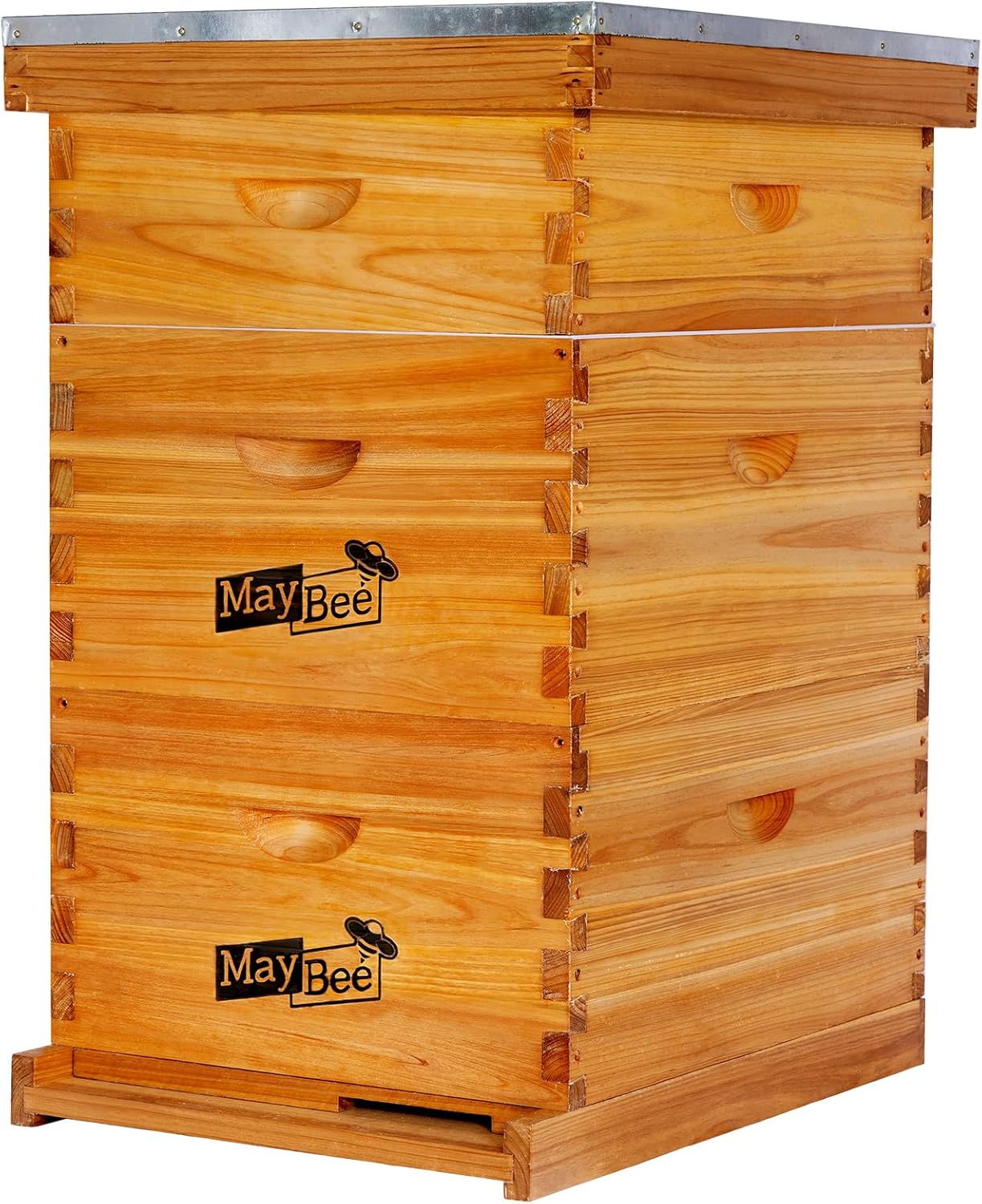
The 10 frame Langstroth hive kit is the safest choice if you're unsure about your commitment level or want maximum room for your colony to grow. It's the industry standard, parts are everywhere, and local beekeepers can help you troubleshoot problems.
Best Budget Beginner Hive
If cost is your main concern, the 8 frame Langstroth hive kit cuts the price without sacrificing much. It uses the same basic design but holds eight frames instead of ten, making each box lighter (roughly 45 pounds when full) and easier to handle. You’ll still get all the standard components: two boxes, 16 frames, bottom board, covers, and entrance reducer.
The trade-off is slightly less storage space, so you may need to add a third box sooner than you would with a 10 frame setup. However, many experienced beekeepers actually prefer 8 frame hives for exactly this reason—they force you to manage the colony more actively, which can prevent overcrowding and swarming. A quality 8 frame kit typically costs $120–$180, saving you $30–$70 compared to a 10 frame option. This is a legitimate choice, not a cheap compromise.
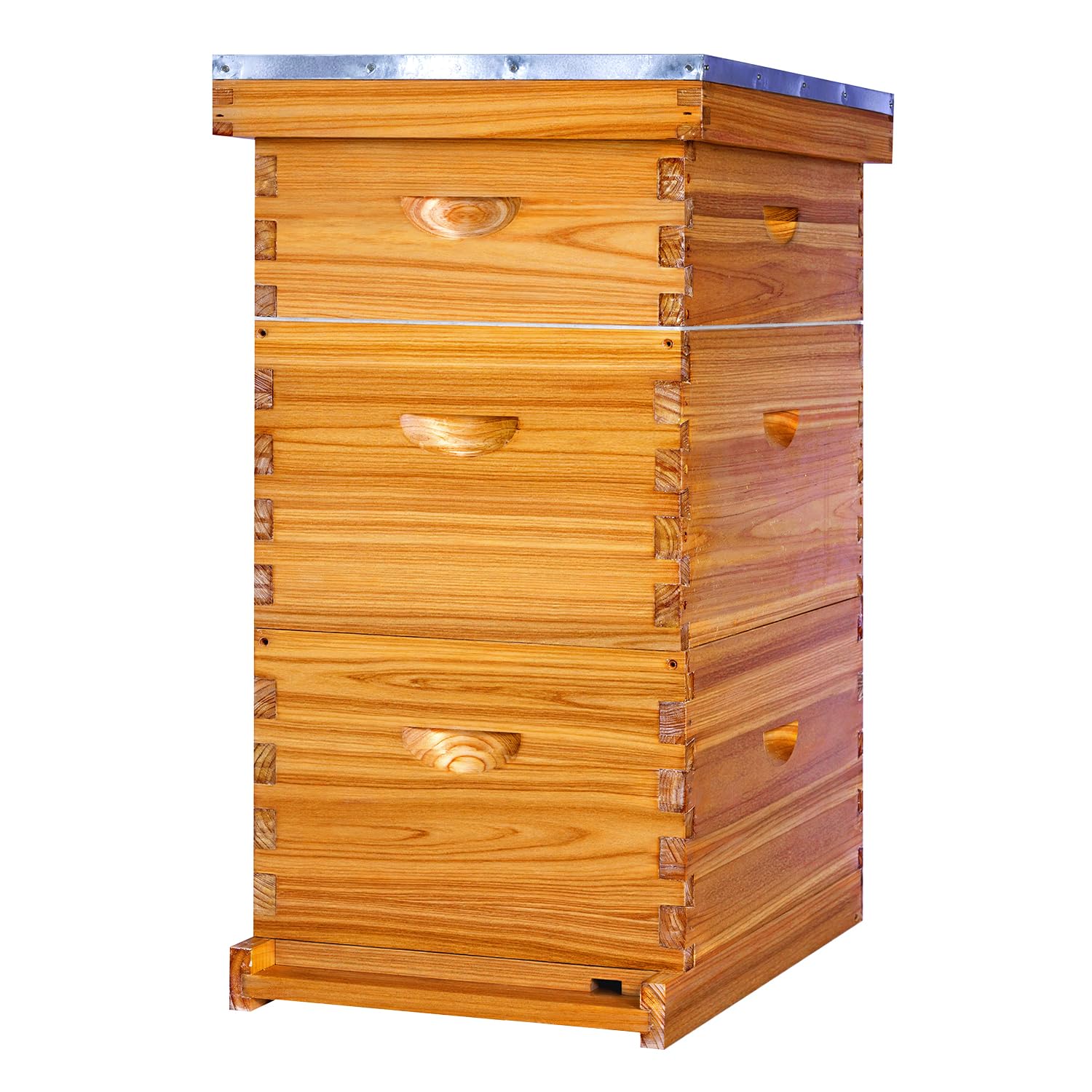
The 8 frame Langstroth hive kit saves money and weight while still giving you a fully functional colony. Many beekeepers prefer it long-term, and it's especially smart if you're concerned about lifting heavy boxes or fitting a hive into a smaller space.
Best Hive for Small Yards
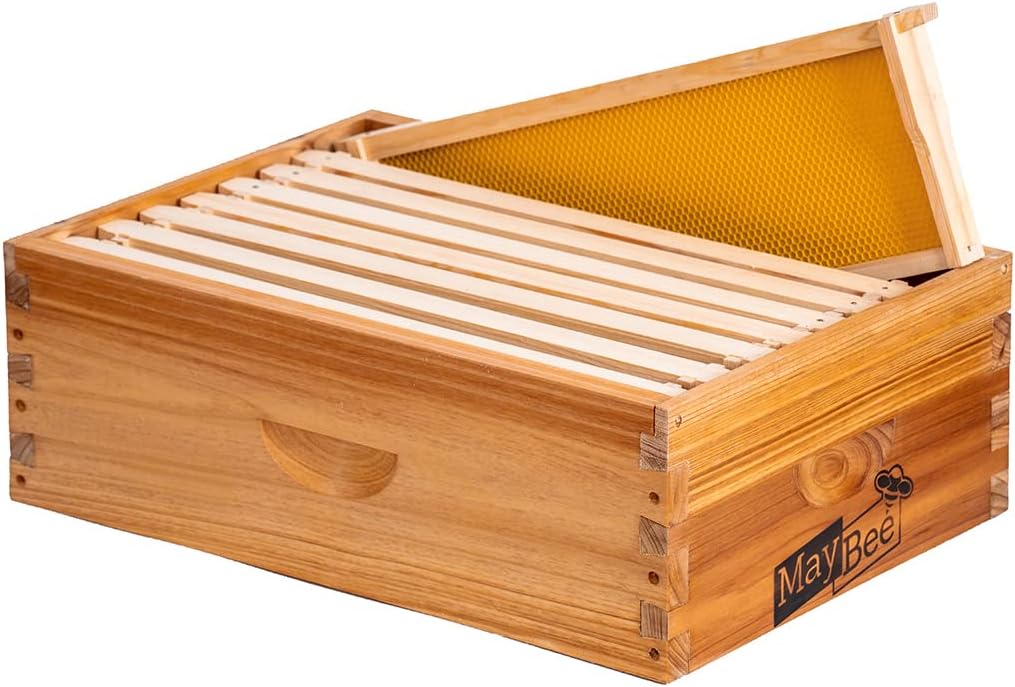
An 8-frame hive has a smaller footprint than a standard 10-frame setup, making it a better fit for a small yard or a spot close to a property line.
If you have limited space—a small suburban yard or a rooftop—an 8 frame hive is your best bet. It takes up less real estate and is less intimidating to neighbors. The footprint is roughly 16 inches by 20 inches, which fits almost anywhere you can place a small garden shed.
Avoid top-bar hives or horizontal hives for your first colony unless you have specific reasons (like local beekeeping tradition or strong personal preference). While they look interesting, they’re harder to inspect and harder to treat if something goes wrong. Stick with a vertical Langstroth design in 8 or 10 frames. It’s simpler, more forgiving, and you’ll have an easier time finding help if you need it.
What Makes a Hive Beginner-Friendly
A beginner-friendly hive has removable frames that slide in and out smoothly, so you can inspect your bees without destroying comb. It should be made from solid wood (pine or fir, typically) that’s at least 3/4 inch thick—thin plywood kits will warp and leak after a season or two. The boxes should have hand grips or notches cut into the sides, because you’ll be lifting them regularly and your hands will thank you.
Look for kits that come fully assembled or require only simple nailing. You do not need a hive with fancy features like top feeders or multiple entrance holes—these are nice-to-haves, not necessities. A simple, flat bottom board, a basic outer cover, and an inner cover are all you need. The simpler the design, the fewer things can break or leak. Avoid hives with complicated ventilation systems or removable roofs; they add cost and complexity without real benefit for beginners.